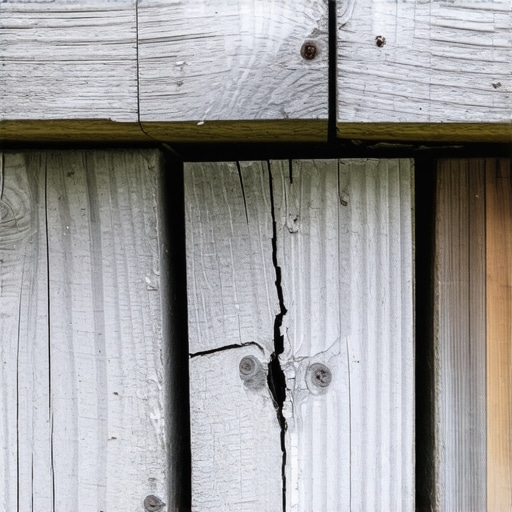
I’ll never forget the splinter that finally broke me. It was a Saturday morning, and I was sliding my hand along the top rail of the deck I’d spent three weeks building with pride. Ouch. A jagged, silver-gray piece of cedar had lodged itself deep into my palm. That was my lightbulb moment. My beautiful, expensive wood railing was literally falling apart after just a few seasons of exposure. I realized then that I was tired of being a slave to the sander and the stain brush every eighteen months just to keep things from looking like a ghost town relic. I loved the look of natural wood, but the reality of its lifespan in a high-traffic
Why My Love Affair With Cedar Railings Came to an Abrupt End
My early mistake was assuming that cedar was a ‘forever’ material if I just tried hard enough. I spent hundreds of dollars on premium oils and spent my weekends scrubbing, but the sun is an undefeated champion. Cedar is a softwood, and according to research from the Forest Products Laboratory, even the most durable softwoods are prone to significant surface degradation and checking when exposed to UV radiation and moisture cycles without constant chemical intervention. This isn’t just about looks; it’s about the structural integrity of your
Is Modern Railing Actually Worth the Hype?
You might be thinking that nothing beats the ‘warmth’ of real wood, and I used to be right there with you. But when you look at the clean lines of a 2025 design, cedar often looks bulky and dated. I finally made the switch because I wanted to spend my time grilling, not staining. Today, we are going to solve the maintenance trap by looking at why I now prioritize durability over tradition. I’ve found that why I prefer aluminum railings over wood or vinyl comes down to the fact that they don’t warp, twist, or stab your guests with splinters. If you are still on the fence, consider how much your time is worth. When I was choosing the right composite decking for durable low-maintenance outdoor areas, I realized the railing had to match that same ‘set it and forget it’ philosophy. Have you ever spent an entire long weekend sanding between balusters only to have it peel a year later? It’s a cycle of frustration that most homeowners don’t need. Transitioning to modern materials isn’t just a trend; it’s a lifestyle upgrade that keeps your custom composite decking ideas looking sharp for decades rather than months. We are going to dive into the specific reasons why these newer systems outperform the old-school wood post and rail every single time.
Stop the Rot Before You Lay a Single Board
The biggest lie in the decking industry is that composite boards make a deck ‘maintenance-free.’ While the surface won’t rot, the pressure-treated lumber underneath is still vulnerable to every rainstorm. Think of your deck frame like the foundation of a house; if the joists go soft, the expensive boards on top are useless. I learned this the hard way when I pulled up a client’s 10-year-old PVC deck to fix a soft spot and found the joist tops looking like wet cardboard. Now, why I always use joist tape on every single deck frame is simple: it acts as a waterproof gasket that prevents water from sitting in screw holes. It’s a small step that adds maybe two hours to a build but doubles the frame’s lifespan. 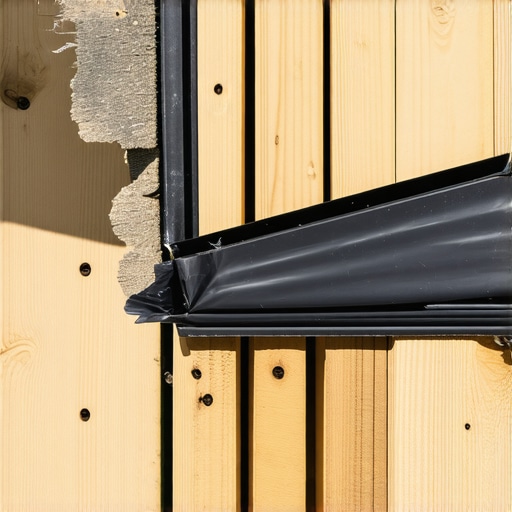
Seal Every Cut to Prevent Water Infiltration
Whenever you cut a pressure-treated board or a composite plank, you’re exposing a raw surface. For the framing, I use a brush-on preservative on every end cut. For the boards themselves, you need to know the best way to seal the cut ends of composite boards to prevent swelling and moisture wicking. This is especially critical near the ground or where the deck meets the house.
Lock Down Your Railing Posts Like a Vault Door
A wobbly railing isn’t just annoying; it’s a psychological red flag for anyone standing on your deck. Most DIYers just through-bolt a 4×4 post and call it a day, but that creates a pivot point that eventually crushes the wood fibers. I’ve transitioned to using why I use structural screws instead of carriage bolts because they pull the materials together with more tension and don’t require the massive holes that weaken the rim joist. If you want a rock-solid feel, you have to master the bolt pattern that finally stops railing post wobble for good, which involves internal blocking to distribute the load across multiple joists rather than just one piece of wood.
Choose the Right Hardware for the Environment
If you are building near a pool or in a high-humidity area, standard galvanized screws won’t cut it. I once spent a week replacing rusted-out fasteners on a three-year-old lakefront deck because the original builder went cheap. Now, I only trust the best fastener for building a deck in a high-moisture area, which usually means 305 or 316-grade stainless steel.
Build Stairs That Actually Feel Like Home
Stairs are the most complex part of any deck builder’s job. If they are off by even a quarter-inch, your brain notices the trip hazard immediately. I remember my first set of stairs; I didn’t use enough support, and they flexed every time a heavy cooler was carried up. That experience taught me why your deck stairs need a middle stringer for stability. You should have a stringer every 12 inches for composite treads to prevent that ‘trampoline’ feeling.
Master the Connection to the Rim Joist
Most rot starts where the stairs meet the deck. To prevent this, I always use innovative stairs solutions for safe outdoor deck access like specialized metal hangers. Never just toe-nail your stringers into the rim joist. Also, ensure you are designing safe and stylish stairs for outdoor decks in 2025 by integrating low-voltage lighting early in the framing stage so wires stay hidden and the path is clear at night.
Master the Invisible Details of High-End Decking
I’ve seen it a thousand times: a homeowner spends tens of thousands on top-tier materials only to have the deck look like a roller coaster after two summers. Everyone tells you composite is ‘set it and forget it.’ That is the first hurdle. In my experience, the truth about maintenance-free decking claims is that while the material is durable, the installation physics are unforgiving. If you treat composite like wood, you are setting yourself up for failure.
Stop Gapping Your Composite Boards Like They’re Wood
Most DIYers—and even some professionals—gap their boards based on what looks good on the day of installation. This is a recipe for disaster. Unlike wood, which expands and contracts primarily with moisture levels, composite reacts to temperature. If you install on a 40-degree morning in March, those boards will grow significantly by July. I have personally been called to fix jobs where the installer ignored the spacing secret for installing composite decking in winter, resulting in boards buckling against the house siding with enough force to snap fasteners. According to a technical report by Washington State University’s Composite Materials and Engineering Center, the linear thermal expansion of wood-plastic composites is a critical design factor that can be three times higher than natural timber. This movement is exactly why your composite boards are expanding more than expected and eventually pulling their screws right through the core. 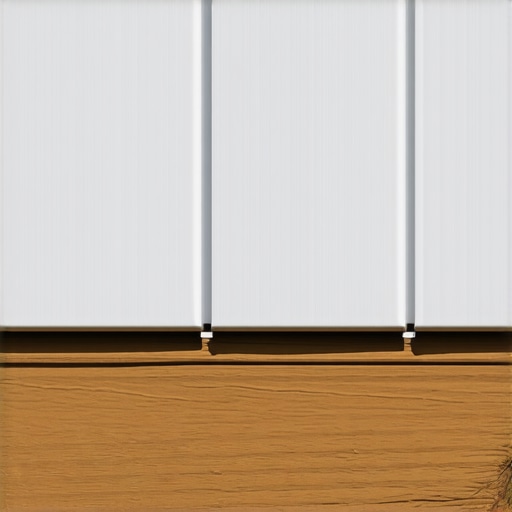
Why do my composite stairs still feel like a trampoline?
This is the number one question I get once a project is finished. If your stringers are structurally sound, the culprit is often the tread material itself combined with wood shrinkage. Composite is heavy but surprisingly flexible. I’ve found that why I stopped using wood for deck stair stringers and moved to steel or engineered LVL is because traditional wood stringers shrink over time. This creates a tiny gap between the tread and the support that causes a ‘springy’ feeling. To fix this, you need to use adhesive and specialized fasteners to ensure the board and the frame move as one unit.
The Subtle Sabotage of the Outdoor Rug
Here is a warning you will rarely find in a sales brochure: that stylish rug you bought to define your seating area might be a slow-motion wrecking ball for your warranty. Why your deck rug is secretly destroying your boards comes down to heat trapping and chemical reactions. Latex or rubber-backed rugs can react with the plastic capping of your boards, causing permanent ‘ghosting’ or discoloration that cannot be scrubbed away. It is an easy trap to fall into when trying to transform your space into a cozy retreat. The nuance of high-end outdoor living isn’t just about the boards you choose; it’s about understanding how those boards interact with the local climate and your lifestyle. The benefits of working with a professional deck builder often come down to these invisible details that keep your investment looking pristine for thirty years instead of three. Have you ever fallen into this trap or noticed your boards moving more than they should? Let me know in the comments.
The Specialized Kit Every Pro Hides in Their Truck
Building a deck that lasts isn’t just about the sweat; it’s about the leverage. I used to fight every warped board with a pry bar and a prayer until I discovered board-straightening tools like the Camo Lever. It’s a game-changer because it allows one person to lock boards into place with literal tons of pressure, ensuring those gaps stay uniform before you ever drive a screw. This is exactly why I stopped using nails for deck board installation and moved exclusively to hidden fasteners. Nails back out over time as the frame dries, but a high-torque screw combined with a deck-straightening tool creates a mechanical bond that resists the natural urge of the wood to twist. If you’re tackling a multi-level build, why a digital designer is the best move for planning a complex backyard deck becomes obvious when you realize you can calculate your exact fastener count and avoid three extra trips to the hardware store. 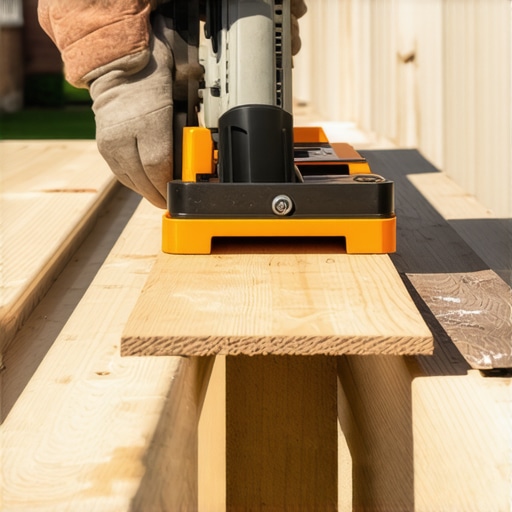
How do I keep my deck looking brand new for thirty years?
The secret isn’t a magic chemical; it’s airflow and gentle friction. I always tell my clients that why you should never power wash your composite deck comes down to the integrity of the ‘cap.’ High-pressure water can actually etch the plastic surface, creating tiny grooves that trap more dirt and mold than they remove. Instead, use a soft-bristle brush and a mild detergent like Dawn dish soap. For those annoying debris traps, the best way to clean pine needles out of deck gaps is a simple shop vac or a specialized ‘gap blade’ tool. You also need to proactively look at how to keep your deck joists from rotting under the boards by checking for debris build-up on the ledger flashing every autumn. According to the American Wood Council’s DCA 6 – Prescriptive Residential Wood Deck Construction Guide, proper flashing and fastener spacing are the primary defenses against structural failure in wood-framed decks.
Ditch the Guesswork Before the Future Arrives
In the next five years, I expect cold-formed steel framing to become the standard for high-end composite decking trends 2025 because it eliminates the rot issue entirely. Until then, you have to be the guardian of your own frame. Don’t just build; integrate systems. For example, knowing how to run wire for deck lights without drilling huge holes preserves the strength of your rim joists while preparing you for a modern lighting setup. If you really want to level up, I challenge you to try using joist tape on your next small project or stair repair—it is the single best way to protect your investment. Keep an eye on those details, and your outdoor space will remain a private oasis rather than a maintenance nightmare.
The Hard-Won Secrets of a 20-Year Outdoor Oasis
Building a deck is one thing; living with it for two decades is another. One of the most surprising things I learned is how dark colors interact with the afternoon sun. If you have a south-facing yard, you might find why I avoid dark brown decking in direct sunlight is actually a matter of comfort for your bare feet. Another “lightbulb” moment was realizing that the real reason your trex decking quote is higher than the board prices often includes the high-quality structural hardware that keeps the frame from sagging. Finally, never underestimate the power of a “picture frame” border. It’s not just for looks—it’s about protecting the exposed core of your composite boards from the elements while providing a clean, professional finish.
The Pro Gear That Makes the Difference
If you’re ready to move from DIY to pro-level results, there are a few resources I swear by. First, the American Wood Council’s DCA 6 is my bible for safety and structural standards. For design, maximizing space modern designs for composite decks requires a digital tool that can visualize layouts before you buy a single board. I also highly recommend looking into how the timbertech fulton rail performs against harsh utah winters if you live in a climate with heavy snow. These specific rail systems use engineered materials that won’t crack when the temperature drops to zero, and they keep your view clear even in the worst storms.
Take the First Step Toward Your New View
Investing in your outdoor space is about more than just square footage; it’s about creating a place where your family actually wants to hang out. Whether you’re just starting to sketch ideas or you’re ready to tear down that old, splintering cedar, remember that every detail—from the joist tape to the stair lighting—contributes to the final experience. If you ever feel stuck, contact us to chat about your vision. You deserve a composite decking space that works as hard as you do and stays beautiful for a generation. Have you ever started a deck project and realized the frame was in worse shape than the boards? Let me know in the comments below!