
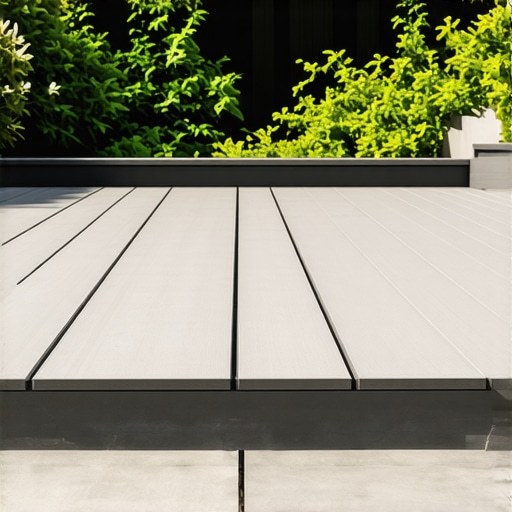
I remember the day I decided to upgrade my backyard. What was supposed to be a simple project turned into a frustrating ordeal. The decking materials warped, the stairs wobbled, and by the end of it, I felt more like a DIY disaster than a homeowner proud of my outdoor space. That lightbulb moment taught me a lot about what truly makes a modern outdoor space both beautiful and durable.
Why Now Is the Perfect Time to Rethink Your Outdoor Living Area
In 2024, outdoor spaces are more than just a backyard afterthought—they’re an extension of your home, a sanctuary where family and friends gather. But with so many options out there, choosing the right composite decking and stairs can feel overwhelming. The good news? With the right guidance, you can avoid costly mistakes and create a space that lasts for years.
One thing I wish I had known earlier is that not all composite decking is created equal. Many homeowners jump into a project without doing enough research, leading to issues like fading, mold, or even structural failures. According to a recent study, poor-quality decking can degrade in as little as five years if not chosen carefully. That’s why I’m here—to help you cut through the noise and find solutions that deliver both style and durability.
Is Composite Decking Actually Worth the Hype?
This was my biggest hesitation at first. I feared I’d be stuck with a plasticky look or a product that wouldn’t stand up to the weather. My early mistake was choosing a budget option without verifying its environmental resistance. Turns out, some composite materials are designed to mimic real wood while resisting moisture, UV rays, and pests—making them a smart long-term investment. If you want to see some innovative ideas, check out the latest trends in composite decking.
So, if you’re tired of replacing rotting wood or fighting mold every season, you’re not alone. Many homeowners are discovering that modern composite decking and stairs can transform their outdoor areas into stylish, low-maintenance retreats. Ready to learn how to avoid my mistakes and craft the perfect outdoor living space? Let’s dive into the practical tips that will make your project a success.
Choose the Right Material for Your Needs
Start by thoroughly researching the types of composite decking available. Think of it as selecting a durable fabric for your outdoor furniture—quality matters. Look for products with high UV resistance, moisture barrier technology, and eco-friendly certifications, which can significantly extend the lifespan of your deck. I learned this the hard way when I initially picked a budget composite that faded and warped within three years. For detailed guidance, visit this resource.
Plan Your Layout and Design
Map Your Space
Measure your backyard meticulously, then sketch a layout that maximizes functionality and aesthetic appeal. Imagine your deck as a canvas—each element should flow seamlessly. I once tried to fit a large deck into a tight corner, which made the space feel cramped. Using software or paper templates can help visualize proportions before cutting any material. Consider incorporating built-in seating or planters to add character and utility, inspired by these ideas.
Build a Solid Foundation
Just like a house needs a strong foundation, your deck requires proper framing. Use pressure-treated lumber for the joists, and ensure all supports are level and anchored securely. Think of this as laying a sturdy table—if the legs wobble, everything else becomes unstable. I once skipped extra concrete footings for the supports, which led to slight shifting over time. Take your time with this step, as it will determine the durability of your entire project. For expert advice, see this guide.
Installing Composite Decking
Lay Out the Boards
Begin by laying the boards perpendicular to the house for stability. Leave a small gap (~1/8 inch) between planks to allow for expansion and contraction—think of it as giving the wood room to breathe. Secure the boards with hidden fasteners for a clean look. I once used visible screws, which detracted from the sleek finish I wanted. Always double-check your spacing with a spacer tool or a scrap piece of material. For a comprehensive walkthrough, check this resource.
Constructing Stylish and Durable Stairs
Choose Your Design
Stairs are the bridge connecting your deck to the yard, so they must be both safe and attractive. Think of stairs as the jewelry of your outdoor space—details matter. Decide whether you want straight, L-shaped, or spiral stairs based on your space and style. I opted for a straight design but customized the riser height to match the overall aesthetic. Use composite stringers and treads for longevity, and ensure the risers are secure and even. For design inspiration, visit this guide.
Ensure Safety and Compliance
Install handrails and balusters according to local building codes to ensure safety. Think of these as the guardrails that protect your loved ones. Use composite materials for low maintenance, and choose a non-slip surface to prevent accidents. I learned this during a rainy day test—smooth composite steps can be slippery, so adding textured strips made a huge difference. For detailed safety tips, see this article.
Finish with Style and Function
Add lighting, furniture, and accessories that complement your new deck and stairs. Think of lighting as the jewelry that makes your outdoor space sparkle at night. Use weather-resistant fixtures and consider solar-powered options. For furniture, opt for composite or treated wood that matches your deck’s aesthetic and reduces maintenance. I chose built-in LED lighting along the stairs, which created a cozy atmosphere without the hassle of bulbs. For more ideas, browse this collection.
While many homeowners focus on choosing the right materials, there are some hidden pitfalls and nuanced truths that often get overlooked. Let’s dig deeper into what most people get wrong when it comes to building durable, stylish outdoor spaces with composite decking and stairs.
Why the Myth of Low Maintenance Can Be Deceptive
Many believe that once they install composite decking, their maintenance worries are over. However, not all composite materials are created equal. Cheaper options may fade, develop mold, or warp faster if they lack advanced UV resistance or moisture barriers. This misconception can lead to costly replacements sooner than expected. For optimal longevity, look for products with high-quality additives and certifications—these are your best bet against surprises. To avoid this trap, review detailed specifications and consider expert advice, like consulting this resource.
Advanced Mistake: Underestimating the Importance of Proper Framing
A common mistake is neglecting the foundation. Even the best composite boards will falter if the framing isn’t solid. Using pressure-treated lumber and ensuring supports are level and well-anchored is critical. Skimping on this step can cause the entire deck to wobble or shift over time, especially under heavy use or extreme weather. Think of it as building a sturdy house—without a strong frame, everything falls apart. For detailed guidance, check out this guide.
What About Stairs? The Tricky Part for Advanced Builders
Stairs often seem straightforward, but advanced mistakes can compromise safety and aesthetics. For example, inconsistent riser heights or improper support can make stairs unsafe or visually unappealing. Many DIYers overlook the importance of correct stringer placement or neglect non-slip surfaces, leading to accidents. Moreover, choosing the right design—be it straight, L-shaped, or spiral—requires careful planning to ensure seamless integration with the deck. For expert tips, explore this article.
Have You Fallen Into This Trap?
Many homeowners assume that selecting stylish materials is enough, but overlooking foundational elements and advanced safety features can undermine your entire project. Do you check the certification and technical specs of your decking? Have you planned for proper framing and safe stairs? If not, your outdoor upgrade might not last as long as you hope. Remember, a well-built deck is a combination of quality materials, expert planning, and attention to detail. Feel free to share your experiences or ask questions below—I’m here to help you avoid these common pitfalls!
Maintaining your outdoor masterpiece requires the right set of tools and a strategic approach. Over the years, I’ve refined my toolkit to ensure that my composite decking and stairs stay in pristine condition, even after harsh weather or heavy use. Investing in quality equipment not only saves time but also guarantees that your outdoor space remains stunning and functional for years to come.
Invest in a Cordless Power Drill with a Clutch
This is my go-to tool when installing or replacing fasteners on composite decks and stairs. A cordless drill with a clutch allows for precise torque control, preventing overdriving screws that can crack or damage the material. I prefer models with adjustable speed settings and a comfortable grip, like the Makita XFD10Z. It’s lightweight, versatile, and battery-powered, making it perfect for outdoor work without the hassle of cords.
Use a Quality Decking Spacer and Fastener System
Proper spacing between boards is essential for accommodating expansion and contraction. I rely on a high-quality spacer tool that maintains consistent gaps of about 1/8 inch. Hidden fasteners such as the Simpson Strong-Tie Hidden Deck Fasteners have transformed my installation process, providing a sleek finish and reducing the need for visible screws. These tools help me achieve professional results efficiently.
Power Washer for Routine Cleaning
A power washer is invaluable for removing dirt, mold, and algae that accumulate over time. I recommend a model with adjustable pressure settings—around 1500 to 2000 PSI—to gently clean composite surfaces without causing damage. Regular cleaning with a biodegradable deck cleaner extends the lifespan and keeps your space looking vibrant. Remember, avoiding high pressure on delicate materials like composite decks prevents premature wear.
Apply a Composite Decking Protectant
To further enhance durability, I use a UV-resistant sealant designed specifically for composite decking. This step is crucial, especially in areas with intense sunlight, as it helps prevent fading and discoloration. I typically apply the protectant once a year, using a roller or brush to ensure even coverage. This simple maintenance step significantly prolongs the aesthetic appeal of my deck.
Future of Deck Maintenance and Tools
Looking ahead, I predict that maintenance tools will become smarter and more eco-friendly. Innovations such as IoT-connected sensors for humidity and UV exposure could notify homeowners when to clean or treat their decks. Additionally, biodegradable and non-toxic cleaning products are likely to dominate the market, making upkeep safer for families and the environment. Staying updated with these trends will help you keep your outdoor space in top shape effortlessly.
How do I keep my composite deck and stairs working over time?
Consistency is key. Regular inspections for loose fasteners, cracks, or signs of wear enable early intervention. Incorporating scheduled power washing and reapplication of protective coatings ensures longevity. Remember, a proactive approach saves money and preserves the beauty of your outdoor oasis. I highly recommend trying out a power washer with adjustable pressure settings and a deck-specific cleaner—these tools make routine maintenance straightforward and effective. For detailed guidance, check this resource.
The Hardest Lesson I Learned About Outdoor Decks
One of my biggest realizations was the importance of quality over price. I initially chose a low-cost composite decking that looked good at first but faded and warped within a few years. That taught me to always verify UV resistance and environmental certifications before buying. Now, I prioritize materials with proven durability, which saves me money and frustration in the long run.
What Most Homeowners Overlook When Planning Their Decks
I used to think that selecting stylish materials was enough. But I learned that proper framing and foundation are critical. If supports aren’t level or anchored correctly, your deck can wobble or shift, especially under heavy weather. I now always double-check the framing details and use pressure-treated lumber for longevity, following guides I found helpful like this one.
The Surprising Truth About Building Safe and Stylish Stairs
Many DIYers underestimate the intricacies of stairs. In my case, inconsistent riser heights made my stairs unsafe and unappealing. I learned that correct stringer placement and non-slip surfaces are vital. Now, I always measure carefully and consider design options like L-shaped or spiral stairs that fit my space and style. For ideas, I recommend this resource.
How I Keep My Outdoor Space Looking New Year-Round
Routine maintenance is key. I use a power washer with adjustable pressure to clean my composite deck and stairs gently but effectively. Applying a UV-resistant protectant once a year helps prevent fading and discoloration. These small steps preserve the look and integrity of my outdoor space, ensuring it remains inviting and functional for years. For tools I trust, check out this guide.