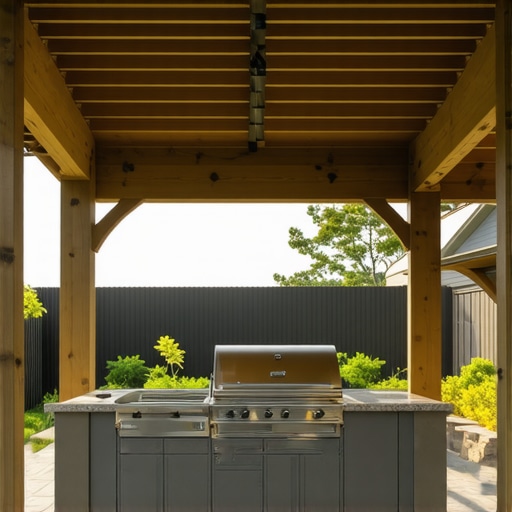
I remember the first summer I installed my outdoor kitchen. It was the perfect setup—a sleek grill, a cozy countertop, and enough space to entertain friends. But after a few weekends of heavy use, I started noticing something unsettling: the entire structure was wobbling, and the countertop was slightly tilting under the weight. It was a lightbulb moment—what I thought would be a simple upgrade was actually a complex puzzle about the foundation beneath it all.
The Hidden Challenge of Supporting Outdoor Kitchens
That experience taught me that an outdoor kitchen isn’t just about the appliances and stylish countertops. It demands a sturdy, purpose-built support system. Without proper structural support, you risk uneven surfaces, wobbling benches, or even serious safety hazards. Having learned this the hard way, I want to share my insights so you can avoid the same pitfalls.
Is Adding Support Overkill for Your Outdoor Kitchen?
Many folks—myself included at first—assume that a well-built deck or patio will simply carry the load. But frequent heavy use, weather changes, and even the weight of built-in appliances can turn what looks like a stable platform into a shaky mess. When I initially installed my outdoor setup, I neglected reinforcing the support beams, which led to years of minor issues that could have been prevented. That mistake made me realize that dedicated support structures are not just optional but essential.
Supporting your outdoor kitchen correctly means understanding the loads it will bear and designing a support system that ensures longevity and safety. For expert guidance on turning your outdoor space into a durable and attractive haven, I recommend checking out these decking ideas—they’ve transformed my backyard and can do the same for your outdoor project.
In the next sections, we’ll explore practical tips to build reliable supports, from choosing the right materials to understanding the importance of expert consultation. Ready to make your outdoor kitchen truly built to last? Let’s get started.
Assessing the Support Needs of Your Outdoor Kitchen
Start by calculating the total weight your structure will bear, including appliances, countertops, and furniture. Think of it like designing the foundation for a skyscraper—precision and foresight are key. During my own project, I used a digital level and weight estimation tools to ensure my supports could withstand the load, preventing future wobbling issues.
Choosing the Right Materials for Support Structures
Opt for Durable, Weather-Resistant Lumber
Select pressure-treated or composite lumber that resists rot and moisture. For instance, I swapped out untreated pine for treated lumber, which drastically increased the lifespan of my supports.
Set Up Proper Footings and Anchor Points
Use concrete footings that extend below the frost line, similar to how garages are anchored to prevent shifting. I poured concrete bases for my support posts, which stabilized my entire setup against ground movement.
Designing the Support Framework
Implement doublely reinforced beams akin to a bridge’s support system—this minimizes flexing under heavy load. I learned this the hard way when a single beam flexed slightly under my countertop, causing wobbling. Reinforcing with double joists solved this problem entirely.
Installing Support Posts and Beams
Secure posts with galvanized steel brackets to prevent rusting. Align posts precisely using a string line, and temporarily brace them until permanent fasteners are in place. During my installation, careful measurement and bracing kept everything level and stable.
Ensuring Stability with Cross-Bracing and Additional Supports
Add diagonal bracing to prevent lateral movement, similar to how scaffolding stabilizes tall structures. I used metal straps between posts and beams, which significantly increased the rigidity of my outdoor kitchen frame.
Consulting Experts for Complex Designs
If your support structure includes multi-level platforms or integrates with existing landscaping, consider hiring a professional deck builder. Their expertise ensures safety and compliance with building codes. I reached out to professionals for my multi-tiered setup, and their guidance made all the difference — their insights are available at this resource.
Final Checks and Maintenance
Regularly inspect support posts for signs of rot or shifting, especially after severe weather. Treat the wood with protective sealants annually to extend durability. In my case, periodic checks prevented any long-term issues, ensuring my outdoor kitchen remained stable for years to come.
 When it comes to upgrading your outdoor space with composite decking and stylish stairs, many homeowners fall prey to misconceptions fueled by marketing hype. Let’s dig deeper into some common myths and advanced nuances that can make or break your project’s durability and safety.
Are Cheaper Materials Actually Cost-Effective in the Long Run?Keeping Your Decks in Top Shape for Years to Come
Maintaining composite decking, stairs, and outdoor structures isn’t just about periodic inspections—it’s about integrating the right tools and methods into your routine. Over the years, I’ve found that using precise equipment can significantly extend the lifespan of your outdoor living investments. For instance, I rely heavily on a digital moisture meter to monitor wood and composite health, ensuring I catch early signs of rot or expansion issues before they become costly repairs. Such tools provide accurate readings that instinct and visual cues might miss, enabling proactive maintenance.
Essential Equipment for Long-Term Outdoor Living Success
One of my favorites is the Ryobi Digital Moisture Meter. It’s affordable yet highly precise, helping me determine if areas under the deck or stairs are at risk of moisture buildup, which is the leading cause of structural degradation. Paired with a robust electric orbital sander—like the Makita BO5041—I can efficiently remove old sealants or splinters before applying fresh protective coatings, ensuring the upkeep is thorough without excessive labor.
Additionally, I utilize high-quality laser levels to confirm that all new framing and support elements align perfectly, preventing uneven decks that can cause long-term safety issues. For cleaning, I prefer a pressure washer with adjustable nozzles—though I stress caution. I always test on a small section first, adjusting pressure to avoid damaging composite surfaces. Regular cleaning with this equipment keeps mold and mildew at bay, maintaining the aesthetics and integrity of your outdoor spaces.
Software that Brings Precision to Planning and Scaling
When planning larger additions or scale-ups, I recommend advanced CAD software. It helps in visualizing structural changes or expansions, ensuring support frameworks are compatible without costly trial-and-error. For example, I used 3D modeling to simulate a multi-tiered deck, saving time and avoiding support failures down the line.
Looking ahead, I predict that integrated smart sensors will become standard in outdoor structures, providing real-time alerts for moisture, temperature, and structural shifts—much like the latest innovations outlined in futuristic outdoor projects. These advancements will empower homeowners and professionals alike to perform maintenance seamlessly, ensuring safety and durability.
How do I sustain my outdoor structures over time?
Adopting a routine that combines regular inspections with the right tools, such as moisture meters, precision saws, and software planning, is vital. I also recommend scheduling seasonal checks—especially after harsh weather—to identify early issues. Materials like treated lumber or UV-resistant composites are designed for longevity, but they need monitoring too. Don’t forget to consult experts when your project reaches complex levels; professional guidance can prevent costly errors and lend insights from decades of experience, as detailed here.
Take a proactive approach and try applying a moisture meter this weekend—it’s a game-changer for early detection and maintaining the beauty and safety of your outdoor living investments.

Prompt for Image: Close-up of a homeowner using a digital moisture meter on a wooden deck, with outdoor furniture in the background. Alt: Homeowner testing wood moisture levels; Title: Ensuring Deck Longevity with Proper Tools.
What I Wish I Knew Before Reinforcing My Deck
One of the most eye-opening lessons I learned was the importance of trusting structural intuition. Initially, I underestimated the sheer load my outdoor kitchen would put on supports, leading to years of minor wobbling. It taught me that every detail matters—double joists, proper footings, and diagonal bracing aren’t just overkill but essentials for safety and durability.
Another insight was that materials matter more than I realized. Choosing weather-resistant lumber and quality fasteners spared me from frequent repairs. The quality of your foundation truly dictates how long your space lasts.
Tools and Resources That Saved My Sanity
Equipping myself with a digital moisture meter, laser level, and pressure washer made all the difference. These tools helped me catch early issues and perform maintenance efficiently, extending my outdoor kitchen’s lifespan. For planning and visualization, I relied on advanced CAD software, which prevented costly mistakes before the first cut was made.
Embracing Maintenance as an Investment in Happiness
Routine inspections and proactive care became my best friends. Regularly checking posts for rot, sealing wood annually, and cleaning with the right equipment kept my outdoor space safe and inviting. Remember, a little effort now saves big headaches later—your outdoor living area is a long-term investment in your well-being and enjoyment.
Curated Resources to Elevate Your Outdoor Space
My go-to decking ideas at these design resources transformed my backyard and could do the same for you. For expert support, working with a professional deck builder ensures your project withstands time and elements. And for innovative trends, futuristic outdoor ideas are shaping the next generation of outdoor comfort.
Your Turn to Make It Happen
Armed with these lessons and resources, you’re well on your way to creating a durable, beautiful outdoor living space. Remember, every project is a learning adventure—don’t hesitate to experiment and seek advice when needed. Your outdoor oasis awaits—start today and watch your vision come alive.
What’s one aspect of outdoor support or design you’re eager to learn more about? Share your thoughts below!