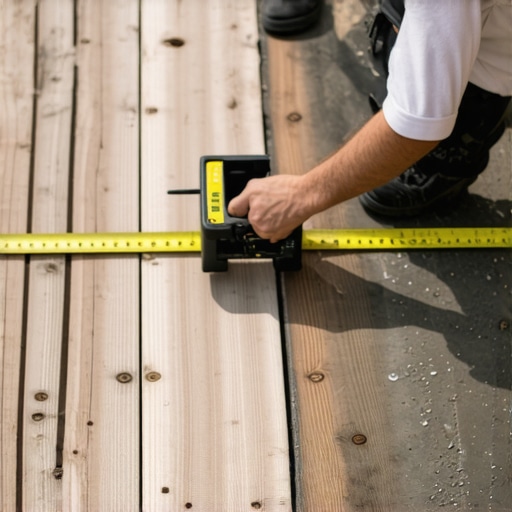
One summer afternoon, as I was installing a new composite deck, I stepped back to admire my work—and immediately noticed the slope from one end of the patio. My heart sank. How did I miss that unevenness? It was a frustrating moment that many outdoor enthusiasts and deck builders have faced—trying to create a perfectly level deck on a surface that’s anything but. That lightbulb moment made me realize how crucial it is to understand the ins and outs of decking on uneven concrete, especially since a level deck isn’t just about aesthetics; it’s about safety, durability, and how well your outdoor space functions.
Why Level Decks Matter More Than You Think
Before diving into the solutions, let’s talk about why this issue is such a big deal. A deck that isn’t level can lead to uneven weight distribution, causing stress on the framing and potentially leading to long-term structural problems. Moreover, it can be a trip hazard, decreasing the safety of your outdoor retreat. Plus, an uneven surface makes it tough to set up furniture or install accessories like pergolas and lighting without constant readjustments. According to a study by the National Institute of Health, uneven surfaces are among the top causes of outdoor fall accidents, emphasizing the importance of a level footing for safety.
In my early projects, I made a classic mistake: trying to lay the decking directly onto the uneven concrete without any preplanning. The result was a lopsided deck that looked unprofessional and created a constant annoyance when I sat down or moved furniture. That experience pushed me to research more reliable methods, and I discovered that with the right approach, you can transform an uneven concrete foundation into a perfectly level deck. Ready to learn how? We’re about to dive into tried-and-true strategies that will save you time, effort, and headaches in your outdoor project.
What about the skeptics? Is this really worth the trouble?
Some might think, “It’s just a deck—does it really need to be perfectly level?” Believe me, the answer is a resounding yes. An uneven deck doesn’t just look bad; it can compromise safety and lead to costly repairs down the line. I once saw a deck with a slight tilt, but over time, water pooled in one corner, causing rot and damage—a costly mistake I learned from early on. The key is to approach this project with realistic expectations and proper techniques, which I’ll share with you now.
If you’ve ever struggled with achieving a level surface on a challenging foundation, keep reading. The methods I’ll outline are practical and have worked for me—and countless others—to build decks that are both stunning and safe. Want more tips? Feel free to reach out, and I’ll be happy to help you turn your outdoor space into a masterpiece.
Assess the Terrain Thoroughly
Start your project by inspecting your concrete surface with a long level or a laser level for precision. In my experience, using a string line stretched tightly across the area provides a clear visual of high and low spots, much like a canvas for your deck. This method revealed hidden dips I hadn’t noticed, guiding me on where to focus. Document these irregularities with chalk or chalk-based spray paint, marking worst unevenness zones to target during adjustment.
Prepare a Solid, Adaptive Foundation
Remove any loose debris, moss, or efflorescence from the concrete to ensure a good bond for any leveling materials. Think of this step like preparing a canvas before painting; a clean surface is crucial for a smooth finish. For minor dips, a self-leveling underlayment designed for outdoor use works wonders, akin to pouring liquid clay that levels itself out. For larger height differences, stack adjustable shims or patio blocks to create a stable, level platform. I once placed 4×4 pressure-treated posts with shims under the uneven edges of my concrete, creating a level base for the framing—this approach proved effective and adaptable.
Use Shims and Pillars for Fine Tuning
Shims are your best friends here. Wooden, composite, or metal shims can be stacked and trimmed as needed, much like stacking LEGO blocks to reach the perfect height. Position them under the beams where the concrete dips. When I built my first deck, I used plastic shims beneath pressure-treated posts, which allowed fine adjustments without the need to tear everything apart. Secure the shims temporarily with a screw or nail before fully anchoring the framing, ensuring the deck remains level as you progress.
Frame with Precision and Stability
Once your foundation is set, measure diagonally across the deck frame at multiple points to verify squareness. Using a carpenter’s square and tape measure, confirm that the frame isn’t skewed. An unaligned frame is like a crooked picture; it undermines the entire project. When attaching ledger boards, always use appropriate anchors designed for concrete, such as expansion anchors or wedge anchors, to prevent movement over time. I experienced decking shifting after a harsh winter until I rechecked and reinforced my anchors, emphasizing the importance of solid connections.
Install the Decking Boards Carefully
Lay down your composite decking boards perpendicular to the joists, following the manufacturer’s spacing recommendations to account for expansion. Use hidden fasteners for a clean look; these are like zippers that secure without visible nails or screws. During my installation, I double-checked each board’s level before fastening, using a carpenter’s level as a reference. Be attentive to the gaps between boards—they must be consistent to avoid trip hazards and water pooling. Regularly stepping back to view the deck from different angles helps maintain uniformity.
Check and Adjust as Needed
Finally, go over the entire surface with a level or laser to identify any slight dips or unevenness remaining. You might need to make minor adjustments by adding or removing shims along the frame or redistributing weight. Remember, achieving a perfectly level deck on uneven concrete takes patience. Small tweaks ensure safety, longevity, and a professional finish. If uncertainty arises, consulting with a seasoned deck builder can save you time and resources, especially for large projects or tricky foundations. For advanced ideas on maximizing your outdoor space, refer to this guide.
Why More Choices Can Lead to Design Confusion
Many believe that selecting the most popular composite decking brand guarantees durability and style, but the real nuance lies in understanding the material’s specific properties and installation requirements. Not all composites react the same way to environmental factors like UV exposure or moisture. For example, some lower-quality options might fade or warp faster than premium choices, despite similar appearances. Choosing the right composite involves considering the manufacturer’s formulations and warranties rather than just superficial looks.
Avoiding the Common Pitfall of Overlooking Stairs and Transitions
One hidden mistake many overlook is neglecting seamless transitions between deck levels and stairs. It’s tempting to focus solely on the decking surface, but stairs are crucial for both safety and aesthetics. Overly narrow or steep stairs not only violate building codes but also pose fall risks. Advanced outdoor projects benefit from detailed planning—considering riser heights, tread depths, and handrail integrations. Properly designed stairs, sometimes reinforced with innovative framing techniques, can elevate your entire outdoor living space. For expert insights, check out this detailed guide on stairs and transitions.
Mastering the Science of Material Expansion and Contraction
Most DIYers and even some professionals underestimate the impact of thermal expansion on composite decking. Fluctuations in temperature can cause boards to expand or contract, leading to warping, buckling, or unsightly gaps if not properly accommodated. The misconception is to install boards tightly without allowances for movement, but experts recommend leaving precise gaps and using closed fastener systems that allow for natural expansion. According to a study by the National Institute of Standards and Technology, understanding the physical behavior of materials under temperature changes is critical for longevity.
Another advanced nuance is choosing the correct fasteners—hidden clips are often better than face-screwing, as they allow for slight movement and reduce stress on the material. Overlooking this can trap moisture, leading to deterioration over time. Read more about fastening techniques that protect your investment.
Are you aware of these subtle, yet crucial, aspects of outdoor design? Incorporating them can dramatically improve the durability and style of your composite deck and outdoor living features. Have you ever fallen into this trap? Let me know in the comments.
Maintaining a beautiful and durable composite deck requires the right tools and ongoing attention. Over the years, I’ve found that specific equipment not only streamlines the work but also ensures long-term results that stand up to weather and wear. One of my go-to essentials is a high-precision laser level, such as the Bosch GCL100-50G. This device allows me to double-check the deck’s levelness across large spans, ensuring that any minor deviations are caught early—crucial when correcting uneven surfaces or adjusting stairs. Unlike traditional bubble levels, laser levels project a consistent line, saving time and reducing human error, especially on expansive or multi-level decks.
Another indispensable tool is a joist and beam inspection camera. Specifically, the digital borescope helps me identify hidden issues inside joists or beneath the deck surface—areas that aren’t accessible through visual inspection alone. Using such tech ensures that I can address potential rot or pest damage early, extending the life of the structure.
When it comes to fasteners, I recommend investing in high-quality, corrosion-resistant screws like Screw Products’ TrexHide hidden fasteners. Their durability prevents future squeaking and loosening, which are common issues in outdoor environments. I prefer these because they minimize surface damage and provide a clean finish—especially when combined with a power screwdriver capable of precise torque application.
For ongoing maintenance, a good deck cleaner is vital. I’ve shifted to eco-friendly solutions like the Simple Green Deck & Wood Cleaner because it effectively removes mold and algae without damaging composite surfaces, making routine cleaning safer and less labor-intensive. Regular upkeep not only preserves aesthetic appeal but also prevents premature deterioration.
Predicting future trends, I anticipate the rise of smart maintenance tools integrated with IoT technology. Imagine sensors embedded in decking that monitor moisture levels or tell you when to re-seal—making maintenance proactive rather than reactive.
How do I maintain composite decks over time? Focus on routine inspections using my laser level to monitor for shifts, and keep pace with seasonal cleaning schedules. Applying protective sealants once a year or as recommended by the manufacturer also extends deck life, especially around high-traffic areas like stairs and transitions. For tips tailored to your deck’s unique features, don’t hesitate to reach out and share your project details.
Don’t forget to experiment with advanced maintenance practices, like scheduling professional inspections or installing smart sensors. Starting with these precise tools can significantly improve your deck’s longevity and safety, making your outdoor space an oasis for years to come.
Lessons That Now Shape My Deck-Building Approach
- One of the most impactful lessons I learned was the importance of thorough site assessment; trusting your eyes alone can blind you to subtle dips and high spots, so investing in laser levels or string lines has saved me countless hours and headaches.
- Patience trumps speed every time. Rushing to finish a level deck might seem efficient, but taking the time to fine-tune every shim and measurement ensures long-term stability and safety, something I wish I prioritized earlier in my projects.
- A small detail — like leaving proper expansion gaps— can prevent warping or buckling down the line. Overlooking these nuances can turn a beautiful project into a costly repair mission. Recognizing and implementing these details has transformed my deck projects from average to pro-level.
Tools and Resources That Change the Game
- Bosch GCL100-50G Laser Level: Precision and ease of use make this tool indispensable for ensuring your surface is perfectly level, especially over large spans or complex layouts. I trust it because it consistently delivers accurate readings without the fuss of bubble levels.
- Digital Borescope: Hidden issues within joists or beneath the decking surface can hide rot or pest damage. This device gives me the eyes I need to catch problems early, saving money and extending the life of my decks.
- Screw Products’ TrexHide Hidden Fasteners: Reliable, corrosion-resistant, and virtually invisible, these fasteners have become my go-to for a clean finish and durable connections that stand up to weather and time. Choosing quality fasteners has made a noticeable difference in the longevity of my work.
- Eco-friendly Deck Cleaners: Regular maintenance with products like Simple Green Deck & Wood Cleaner keeps my decks looking fresh and prevents deterioration. Using environmentally safe solutions aligns with my values and ensures my outdoor spaces stay healthy.
Take Your Outdoor Living Further Than You Imagined
Building a composite deck on uneven concrete might seem daunting at first, but with the right mindset and tools, it becomes a rewarding challenge. The insights I’ve shared are just the beginning; pushing your boundaries, experimenting with innovative layout ideas, and integrating thoughtful transitions can elevate your outdoor space beyond expectations. For inspiration and advanced techniques, explore this guide on future-ready outdoor designs. Remember, every deck you craft is not just a project—it’s an investment in your home and happiness. So, why wait? Start turning your outdoor vision into reality today!