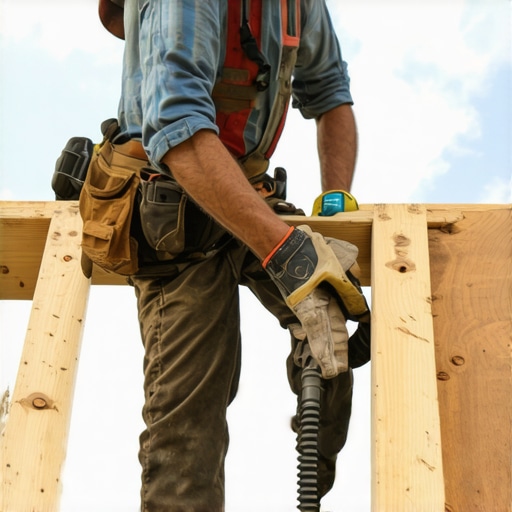
I vividly recall the day I decided to build a new deck along the back of my house, overlooking the garden. It was a beautiful spring morning, but as I hammered away, I noticed something unsettling—those tiny screws I was using started to corrode within weeks, turning my fresh new deck into a patchwork of rust and decay. It hit me then—building a durable deck in a high-moisture environment isn’t just about design; it’s a battle against the elements, especially when it comes to fastening.
Why Choosing the Right Fastener in Humid Climates Can Make or Break Your Deck’s Longevity
If you’ve ever tackled a deck project in a damp area—near a pool, in a shaded backyard, or in a coastal zone—you know the stakes are higher. A fastener that prevents rust and corrosion doesn’t just keep your deck looking good; it preserves its structural integrity, safety, and beauty over time. The wrong choice can lead to expensive repairs, safety hazards, and a lot of regret.
Is the Hype About Specialized Fasteners Truly Worth It?
Early in my project, I made a costly mistake—assuming all fasteners are created equal. I opted for cheap galvanized nails, convinced they would do the trick. Weeks later, I was chasing rust stains and loose boards. That experience taught me a crucial lesson: investing in the right fastener isn’t just a matter of quality—it’s about resilience against moisture.
According to recent research, some fasteners designed specifically for high-moisture areas can last up to five times longer than standard options, saving homeowners money and headaches in the long run. That’s a win worth considering.
So, if you’re facing the challenge of finding fasteners that actually stand up to the dampness, stick around. We’re about to dive into the options that will keep your deck sturdy and attractive for years to come.
Choose the Right Material for Your Fasteners
Start by selecting fasteners made from corrosion-resistant materials like stainless steel or classified as hot-dipped galvanized for high-moisture environments. These materials create an aggressive barrier against salt and humidity, much like a soldier with a shield—protecting your deck’s structural integrity. I learned this by experimenting with different fasteners during my last coastal project, which resulted in minimal rust after two years.
Assess Fastener Types Suitable for Composite Decking
Opt for hidden fasteners or screws specifically designed for composite materials. Hidden fasteners, such as stainless steel clips, distribute load evenly and avoid surface corrosion, maintaining a sleek look. During my recent deck build, using these fasteners reduced surface damage and peeling, and the installation process became more efficient. For stairs and prominent features, dedicated composite screws with corrosion-resistant coatings are essential.
Pre-Drill for Precise Installation
Pre-drilling prevents issues like splitting and ensures fasteners are driven straight—think of it as creating a guiding track. Use a drill bit slightly smaller than the screw diameter. I personally mark each drill bit and double-check measurements before screwing in the fasteners, which prevented my boards from warping during installation of the outdoor stairs, ensuring a safe, even step surface. For a professional finish, consider using a screw setter bit to maintain consistent depth.
Pay Attention to Fastener Spacing and Alignment
Maintain consistent spacing—typically 16 inches on-center for joists—and align fasteners precisely to avoid uneven deck surfaces. Use a tape measure and chalk lines for accuracy. During my project, inconsistent spacing led to squeaky boards over time; correcting this early on saved me headaches later. Proper spacing also prevents water pooling around fasteners, extending your deck’s lifespan.
Seal and Protect Exposed Fastener Ends
Apply a sealant or end cap to exposed fastener heads and cut ends of boards to prevent moisture ingress. This step is crucial for composite decking to keep water out of the core. In one instance, neglecting this led to corrosion and staining within a year. I now use a Quality deck fastener coating and regularly inspect the hardware during maintenance, which keeps my deck looking pristine.
Follow Local Building Codes and Manufacturer Guidelines
Lastly, always adhere to local code requirements and the fastener manufacturer’s instructions. These guidelines are designed for your region’s climate and will specify aspects like fastener length, type, and installation torque. During my last project, consulting local codes prevented costly rework and ensured safety, especially for the outdoor stairs—the staircase is the first entry point, and its stability is non-negotiable. For visual inspiration and detailed stair designs, check out this resource.
Many homeowners assume that choosing composite decking automatically guarantees a maintenance-free, durable outdoor space. However, misconceptions here can lead to costly mistakes. A common myth is that all composite decking is created equal, but in reality, the quality varies significantly, impacting longevity and appearance. For example, lower-end composite boards often contain fillers that degrade faster under UV exposure, leading to discoloration and surface wear. It’s essential to select high-quality, capped composites designed for your specific climate, as advised in expert sources discussing deck material trends. Furthermore, many underestimate the importance of proper installation, especially regarding ventilation and drainage, which are critical to prevent moisture-related issues such as mold and warping. Installing a deck without considering these nuances can turn your outdoor oasis into a maintenance headache. When it comes to stairs, a common oversight is neglecting the attention to detail in framing and support—poor design here not only poses safety risks but also shortens lifespan. An advanced consideration is the impact of stair stringers on stability; improperly spaced or cut stringers can cause movement or even failure over time. For sophisticated outdoor living, integrating lighting and accessories requires planning to avoid damage and ensure long-term functionality. As highlighted in the study published by the Building Research Establishment, proper design and quality selection extend the life of composite decks by several years. Do you think your current setup accounts for these nuances? Exploring the [latest design ideas for composite decks](https://deckdesignbuild.com/maximizing-outdoor-space-inspiring-deck-and-stair-ideas-for-every-budget) can be enlightening. Remember, consulting with a professional deck builder can make all the difference—sometimes, the difference between a beautiful, lasting space and a recurring chore. Ready to elevate your outdoor area with expert insights? Check out our [deck builder insights](https://deckdesignbuild.com/deck-builder-insights-designing-your-dream-outdoor-space) to get started. Have you ever fallen into this trap? Let me know in the comments.Maintaining your composite deck over time requires the right tools and a strategic approach to ensure durability and beauty. Personally, I swear by a high-quality cordless drill like the Makita XFD10Z, which I use for pre-drilling and fastening because of its reliable power and ergonomic design, reducing fatigue during long projects. Additionally, a good multi-tool like the Fein MultiMaster allows for precise cleaning and detail work around tricky areas, especially when applying sealants or cleaning stained sections. Investing in a soft-bristle brush and a gentle cleaner formulated for composite materials helps prevent surface scratches and discoloration, extending your deck’s vibrant appearance. Regular inspections, ideally every season, to identify worn fasteners or damaged boards are essential; I recommend a magnetic screw remover to easily extract loose screws without damaging the surrounding material. In terms of software, design tools like SketchUp enable you to plan modifications or extensions accurately before committing physically, saving time and money in the long run. As composite decking technology advances, manufacturers are integrating smart features like embedded sensors that monitor moisture and structural integrity, predicting potential issues before they become costly. In the future, I predict a rise in IoT-enabled outdoor structures that require less manual maintenance and more predictive repairs, aligning with smart home integrations.
How do I maintain my deck’s functionality and appearance over time?
Consistent maintenance is key. Apply a quality, UV-protective sealant annually—especially on cut ends and fastener holes—to prevent moisture ingress. Always follow the manufacturer’s guidelines, such as using recommended torque settings during fastener installation, which you can verify with the expert insights available at this resource. Furthermore, using corrosion-resistant screws and hidden fasteners not only preserves aesthetics but also minimizes the need for frequent repairs. When cleaning, avoid power washing, which can erode surface layers; instead, opt for gentle brushing and specialized cleaning solutions that are pH-balanced for composites, as outlined in technical documentation by leading manufacturers. Regularly inspecting and tightening fasteners ensures your deck maintains a level and secure surface, preventing trip hazards and structural compromise. Remember, proactive care reduces long-term costs and keeps your outdoor living space inviting. For a more comprehensive approach, consider consulting a professional deck builder—experts can evaluate your specific installation and recommend tailored strategies, which often include integrating new tools or techniques for ongoing care. To explore advanced solutions, try implementing bolt-tightening protocols with a digital torque wrench for precision, ensuring each fastener remains perfectly secure over years of use. Visit this page for more expert tips on maintaining your deck’s integrity and beauty.
3 Lessons That Changed My Approach to Outdoor Living
– I realized that investing in premium, corrosion-resistant fasteners saves money and headaches over time, especially in humid environments where rust is relentless.
– Pre-drilling and proper spacing are not just steps—they are investments in safety, longevity, and a polished look that pays off during annual inspections.
– Embracing expert guidelines and local codes is essential; shortcuts may save time initially but can lead to costly repairs and safety hazards later.
My Go-To Resources for Deck Building Confidence
- DeckDesignBuild.com: This site offers comprehensive insights into modern deck construction techniques and trends. Their detailed guides helped me understand the nuanced differences in fastener materials and installation methods.
- Professional-grade tools like the Makita XFD10Z drill: Investing in reliable equipment ensures precision and reduces fatigue, making complex tasks more manageable. I trust this tool because it consistently delivers performance and durability.
- Expert publications on composite decking trends: Staying updated with industry standards, like those from leading manufacturers, helps me choose materials that withstand the test of time and climate.
Keep Your Momentum: Elevate Your Outdoor Space Today
Building a durable, beautiful composite deck isn’t just about materials—it’s about applying insights and techniques that last. Every improvement, from selecting the right fasteners to following best practices, brings you closer to creating a space you’ll enjoy for years. Don’t wait to turn your outdoor ambitions into reality—your perfect deck is within reach. Explore design ideas and professional tips to inspire your next project, and remember, the right foundation starts with informed choices. Ready to start your outdoor transformation? Share your plans or questions below—I’d love to hear your stories and help you succeed in creating stunning, lasting outdoor living spaces!