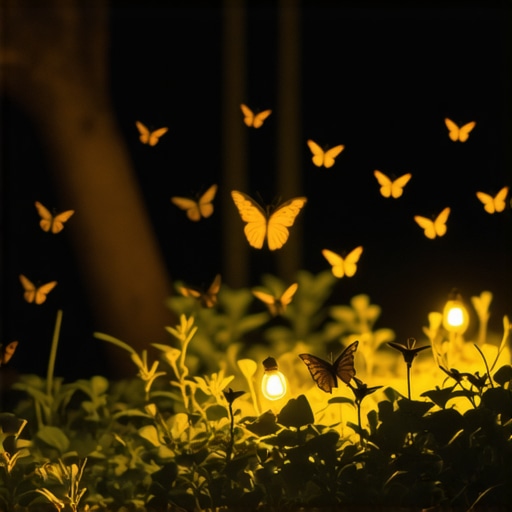
One evening, I was relaxing on my deck when I suddenly realized the space was buzzing with more insects than I could count. The bug problem had crept up slowly, but that night, it felt overwhelming. I had always loved our outdoor living area, but the constant swatting and swarming made it almost impossible to enjoy my evenings outside. That light—my carefully chosen outdoor lighting—was doing exactly what I didn’t want: attracting an army of bugs. It was a frustrating realization that many outdoor enthusiasts face, and I knew I wasn’t alone.
Shedding Light on the Bug Attraction Dilemma
The truth is, outdoor lighting can be both a blessing and a curse. While it illuminates your deck, creates ambiance, and extends your outdoor season, it can also become a bug magnet if not chosen wisely. The reason? Insects are highly attracted to certain wavelengths of light, especially UV and incandescent lighting. This attraction often leads to that dreaded buzzing swarm around your fixtures, making peaceful evenings a distant memory.
Early on, I made a common mistake—installing standard incandescent bulbs without considering their impact on insect behavior. I assumed that the brightness was enough, and didn’t think much about the spectrum of light I was using. The result? An insect-infested nightmare that sent me scrambling for a solution. That experience taught me a valuable lesson: selecting the right type of outdoor lighting isn’t just about aesthetics or brightness; it’s about understanding how different lights affect bug behavior.
Did you know that some sources suggest switching to LED lighting can significantly reduce insect attraction? According to a study published by the *Journal of Insect Science*, LED lights emit less UV radiation, which insects are naturally drawn to, making them a smarter choice for bug-free outdoor spaces. This simple switch transformed my evenings from swatting chaos to peaceful relaxation.
Now, I want to guide you through how to choose the best outdoor lighting that keeps bugs at bay, so you can truly enjoy your outdoor oasis. But before jumping into solutions, it’s important to acknowledge your fears and doubts—like, ‘Is it really possible to have a bug-free yard with the right lighting?’ or ‘Am I wasting money on ineffective solutions?’. I’ll address these concerns with practical, tested tips to help you get started.
Ready to reclaim your outdoor evenings? Let’s dive into the strategies that will turn your bug attraction problem into a thing of the past.
Switch to LED Bulbs for a Bug-Resistant Atmosphere
Replace your traditional incandescent outdoor bulbs with energy-efficient, yellow-toned LED lights. When I upgraded my porch lights, I noticed a drastic reduction in the swarm of insects. To start, turn off your existing bulbs, unscrew them, and install LED equivalents designed for outdoor use. Ensure they emit warm or yellow light, as insects are less attracted to these wavelengths. This simple swap is akin to choosing a quieter, less conspicuous path in the dark—less noticeable to bugs and more peaceful for you.
Install Motion-Activated Lighting for Targeted Illumination
Rather than brightly illuminating your entire deck all night, opt for motion sensors that activate lights only when needed. I mounted sensor lights near entry points and stairs, which kept the space lit without constantly attracting bugs. To do this, select weatherproof motion-activated fixtures, choose appropriate mounting locations, and set the sensitivity levels to avoid false triggers. Think of it as having a security guard that only shines a spotlight when someone approaches, minimizing unnecessary draw for insects.
Position Lights Strategically to Minimize Attraction
Place your outdoor lighting away from where you relax. I learned this the hard way when placing a porch light directly over our dining table, instantly attracting bugs. Instead, position lights at a distance or behind screens, with downward or shielded configurations. Using directional fixtures like spotlights or shrouded lamps directs light where it’s needed, reducing the glow that draws insects. Visualize the difference between a floodlight illuminating an entire yard versus a laser pointer focused on a single spot—you gain control and less bug attraction.
Switch to Warm or Amber Light Options
Insect behavior is heavily influenced by light color. I experimented by replacing cool white bulbs with warm amber ones, which emitted a softer glow and kept bugs at bay. When selecting bulbs, look for labels that specify color temperature in Kelvin; aim for 2200K to 2700K for a warm glow. This is similar to switching from a bright neon sign to a gentle candle — less enticing to bugs and more cozy for your outdoor gatherings.
Utilize Bug-Repellent Light Bulbs When Necessary
Specialized bug-repellent bulbs contain additives or coatings that deter insects. I found these useful during outdoor dinners, especially in peak bug season. Install these bulbs in fixtures where outdoor gatherings occur most often. Remember, while they help, good positioning and wavelength choices have a more significant impact. Think of these bulbs as a secondary layer of defense—like adding a screen door to keep pests out while enjoying fresh air.
Combine Lighting Strategies with Overall Deck Maintenance
Regularly clean light fixtures and surrounding areas to remove insect-attracting residues. Additionally, keep your deck and the space beneath it dry, as moisture attracts certain bugs. The synergy of these steps amplifies your efforts, creating a more bug-resistant environment. Just as a comprehensive deck design involves both aesthetic and functional elements, effective bug control combines multiple tactics for best results.
Many homeowners believe that choosing the most affordable or popular materials guarantees a successful outdoor space, but this is a misconception that can lead to costly mistakes. For example, some assume all composite decking is equally durable, but as highlighted in the [ultimate guide on 2025 trends](https://deckdesignbuild.com/composite-decking-trends-2025-the-ultimate-guide-for-outdoor-enthusiasts), not all products are crafted with the same quality standards or environmental resistance. Relying solely on brand reputation without understanding the specific composition can result in premature fading or warping, especially in harsh climates. Moreover, it’s a mistake to think that more elaborate stair designs are unnecessary for safety; in fact, sophisticated stair solutions not only enhance aesthetics but also improve stability and accessibility, which modern outdoor projects emphasize. An often overlooked aspect is the importance of professional deck builders—many assume DIY methods are sufficient. However, expert insights from seasoned deck builders reveal that precise framing, correct spacing, and quality fasteners are crucial for long-term performance and safety. For instance, improper joist spacing can cause deck sagging or squeaks over time. Advanced homeowners are also wary of common myths like the idea that sealing or staining is unnecessary maintenance—what many don’t realize is that these treatments significantly extend the lifespan of wood and composite materials, especially when applied following best practices. Expert sources stress that regular inspections combined with proper sealing techniques can prevent rot and decay, notably in the critical areas around stairs and ledger boards. A common trap is neglecting the subtle nuances in design and installation that can compromise safety and aesthetics. For example, proper stair stringers must be reinforced with additional support to handle weight and prevent wobbling—details often missed by amateurs. To truly elevate your outdoor living space, understanding these intricacies empowers you to make informed decisions, from selecting the right [composite decking](https://deckdesignbuild.com/choosing-the-right-composite-decking-for-durable-low-maintenance-outdoor-areas) to designing stairs that combine form and function seamlessly. Remember, craftsmanship matters—skimping on quality or ignoring advanced techniques can transform a beautiful deck into a hazard. So, don’t fall for oversimplified advice; dig deeper into these nuances to ensure your investment stands the test of time. Have you ever fallen into this trap? Let me know in the comments.Maintaining your outdoor living area, especially complex features like composite decking and stairs, requires the right tools and methods to ensure longevity and aesthetic appeal. My personal go-to equipment includes a cordless power washer, specifically the Karcher K5 Premium, which provides the versatility to clean without damaging surface finishes. I also rely on a high-quality orbital sander with Dustless technology, like the Bosch ROS20VSC, for refinishing and smoothing surfaces during repairs or upgrades. Additionally, I recommend investing in a moisture meter—such as the Protimeter Surveymaster—to monitor the wood or composite’s moisture content, enabling proactive maintenance before problems develop. Software-wise, I utilize CAD-based planning tools like SketchUp to visualize future modifications or enhancements, ensuring seamless integration with existing structures. Predicting future trends, I believe that automation, including smart lighting controllers and maintenance alerts, will become standard tools for outdoor spaces, making upkeep more intuitive and less time-consuming. How do I maintain outdoor decks over time? Regular inspections are essential; I schedule bi-annual checkups to identify loose fasteners, signs of rot, or damage. Applying a UV-resistant sealant annually, especially in areas exposed to intense sunlight, preserves surface integrity. For composite decking, I follow manufacturer guidelines—scraping off debris and using gentle cleaning agents—since harsh chemicals can degrade materials. Incorporating block shims during installation can dramatically extend the lifespan of the structure, offering better support and preventing movement. As highlighted in the guides at [Deck Design & Build](https://deckdesignbuild.com/why-you-should-use-block-shims-instead-of-shingle-shims-for-joists-2), these small yet impactful components are critical in long-term maintenance. I also recommend periodic professional assessments to catch issues early—think of it as a routine health checkup for your outdoor investments. Don’t underestimate the power of proper tools and scheduled maintenance; taking these steps will ensure your outdoor space remains durable and beautiful for years. Try implementing a moisture meter check during your next project to get ahead of potential issues and understand exactly when your deck needs some extra TLC.
Lessons I Wish I Knew Before Turning On the Lights
One of my biggest surprises was realizing that choosing the right lighting isn’t just about brightness—it’s about understanding insect behavior and spectrum sensitivity. I learned the hard way that standard bulbs attract way more bugs than necessary, making outdoor evenings uncomfortable. Now, I realize that narrow-spectrum, warm-colored LED lights are a game-changer, and sharing this insight might save you frustration. Also, I underestimated the importance of strategic placement; even the best bulbs can draw pests if placed improperly. Lastly, I discovered that integrating motion-activated lights not only boosts security but also minimizes bug attraction during quiet nights, making my outdoor space a true sanctuary.
Tools and Resources That Elevate My Outdoor Living
For maintaining a bug-resistant and beautifully lit deck, I rely on a few trusted tools. The latest composite decking trends have inspired me to choose better materials that are easier to clean and less prone to pest issues. I swear by a quality garden flashlight with adjustable spectrum settings—perfect for testing different bulbs before installation. For planning, project visualization tools help me see how various lighting arrangements will look. Combining these resources, I transform my outdoor area into a bug-resistant, beautifully illuminated retreat that’s both functional and inviting.
Your Next Step Towards Peaceful Nights Outdoors
Creating an inviting outdoor space free from pesky bugs and glare might seem daunting at first, but small, informed changes can make a big difference. Imagine enjoying your evenings under soft, warm lighting without the constant swatting or squinting—it’s entirely possible. Remember, understanding how light spectrum influences insect behavior and strategically positioning your fixtures are keys to success. Now is the perfect time to experiment with different bulbs, placement, and controls so you can love your deck as much at night as you do during the day. Your peaceful outdoor sanctuary awaits—take action today and enjoy the tranquility of bug-free evenings with confidence. Want to share your ideal outdoor lighting setup or ask for tailored advice? Drop your thoughts below and let’s create your perfect outdoor oasis together.