
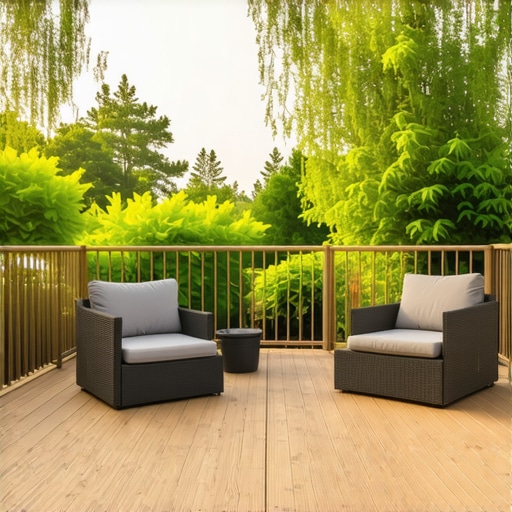
Ever spent hours designing the perfect outdoor space, only to see it fade or fall apart after just a couple of seasons? I remember the first deck I built—thinking I had it all figured out, only to be disappointed when the wood warped and the stain peeled within a year. That lightbulb moment made me realize that durability isn’t just about choosing good materials but about knowing the right building techniques and design principles for outdoor living in 2024.
Why Your Outdoor Deck Needs More Than Just Good Looks
In my early days, I underestimated the importance of proper planning. I thought selecting the prettiest wood or the trendiest stain was enough. But outdoor environments are tough on decks—exposure to sun, rain, snow, and temperature swings can wreak havoc if you don’t build smart. The good news? With the right tips, you can craft a deck that not only looks stunning but also stands the test of time. This year, I’ll walk you through the most vital strategies to boost your deck’s durability, from foundation to finishing touches. Whether you’re a DIY enthusiast or hiring pros, knowing these basics will save you money and frustration in the long run.
Is It Really Worth Investing in Durability?
Many homeowners ask me, “Why bother with all these details? Isn’t a simple deck enough?” Honestly, I made that mistake early on—skipping proper support and choosing cheaper materials. The result? Cracks, rot, and a deck that needed replacing in just a few years. Instead of saving money, I lost more over time. Experts agree that investing in quality and proper construction techniques can extend your deck’s life significantly. According to a recent industry report, well-built decks can last up to 50% longer, saving you hundreds of dollars and countless headaches. So, yes—durability is worth it, especially in 2024, when innovative materials like composite decking are changing the game.
Now, if you’ve ever faced the nightmare of a deck that looks good but falls apart quickly, you’re in the right place. I’ll guide you through proven tips, from selecting the best materials to designing stairs that blend style with strength. Ready to transform your outdoor space into a durable oasis? Let’s dive into the essentials that will make your deck stand out for all the right reasons.
Step Up Your Deck Game with These Top Tips
Before we get into the nitty-gritty, check out some inspiring ideas for top stairs designs that can elevate your entire outdoor experience. Remember, a well-designed staircase isn’t just functional—it’s a focal point that can seamlessly connect your deck to your yard and enhance safety too. If you’re unsure about the best materials for durability, the latest composite decking trends are worth exploring. They offer low-maintenance, long-lasting alternatives to traditional wood, perfect for busy homeowners who want beauty and longevity without the hassle.
Prepare Your Foundation with Precision
Start by excavating the site and laying a solid gravel base. Think of this step as creating a sturdy bed for your deck—if the foundation wobbles, everything else suffers. I once skipped this step to save time, only to deal with a wobbly deck that shifted over the first winter. To prevent this, compact the gravel thoroughly using a plate compactor, and then install concrete footings or piers. These act like the legs of a table, providing stability and preventing shifting or sinking over time.
Choose the Right Support System
Use pressure-treated lumber or composite support beams designed for outdoor resilience. I recommend considering modern options like steel or aluminum supports—they resist rot and pests better than wood. When I upgraded my support posts with galvanized steel, I noticed a significant reduction in maintenance and an increase in durability, especially during harsh weather conditions.
Select Materials That Stand Up to Nature
Opt for high-quality composite decking or tropical hardwoods like ipe or cumaru. These woods are naturally resistant to rot, insects, and warping. I once built a small test patch with composite decking, and after two years of exposure to sun and rain, it looked brand new—no warping or fading. If you prefer wood, make sure it’s properly kiln-dried and treated for outdoor use. Regular sealing with a durable stain or sealant, like those in latest composite decking trends, will extend its life significantly.
Implement Protective Coatings and Finishes
Apply a high-quality, UV-resistant stain or sealant to your deck surface. For my project, I used a semi-transparent stain that allowed the natural wood grain to show through while providing protection against UV rays and moisture. I learned the hard way that neglecting this step led to peeling and fading within a year. Reapply the finish every two to three years to maintain protection and appearance. Don’t forget to sand rough spots before recoating for best adhesion and longevity.
Design with Durability in Mind
Incorporate features like proper drainage gaps between boards—about 1/8 inch—to prevent water pooling. I once built a deck with tight joints, and water sat on the surface, causing faster deterioration. Using smart design techniques like sloped surfaces for runoff and avoiding direct contact with soil will greatly extend your deck’s lifespan. For stairs, opt for robust stringers and anti-slip treads made of composite, which resist wear and provide safety. For inspiring ideas, check top stairs designs that combine style with durability.
Ensure Long-Term Maintenance
Regular inspections are key. Check for loose fasteners, splinters, or signs of rot. I schedule a quick walkthrough every spring to tighten screws and clean debris from between boards. Cleaning with a gentle pressure wash removes dirt and mold without damaging the surface. When necessary, recoat with protective finishes from trendsetting composite options for a fresh look and added protection. Remember, proper maintenance is the secret to a deck that stays beautiful for decades.
< >
>
Many homeowners believe that choosing the right materials alone guarantees a long-lasting outdoor deck, but this is a widespread misconception. In fact, even premium materials can fail prematurely if overlooked nuances in construction and maintenance are neglected. Let’s dig deeper into what most people get wrong about outdoor deck durability, so you can build smarter and enjoy your outdoor space for years to come.
Why the Support Structure Matters More Than You Think
It’s tempting to focus solely on the surface materials like composite decking or tropical hardwoods, but the hidden key to longevity lies beneath. I’ve seen many decks with beautiful surface finishes that collapsed after a few winters because the support system was poorly designed or executed. Proper support, including correctly sized beams, posts, and footings, ensures even weight distribution and prevents shifting or sinking over time. Skipping this step or using inferior support materials is a common trap. According to a study by the deck construction experts, a sturdy foundation can extend your deck’s lifespan by up to 50%.
Myth Busting: All Wood Is Equal
The misconception that any wood will do for outdoor use can lead to costly mistakes. Many assume that pressure-treated lumber is enough, but not all treatments are created equal. Some cheaper options may contain chemicals that degrade faster or are less resistant to pests and moisture. I recommend opting for quality-treated woods or tropical hardwoods like ipe or cumaru, which naturally resist rot and insects. Regularly sealing and maintaining these materials further enhances their durability. Don’t fall for the myth that all wood ages the same; your choice here impacts your deck’s resilience significantly.
Advanced Question: How Do Small Design Choices Impact Long-Term Durability?
It’s easy to overlook small details that can have a big impact over time. For instance, improper drainage design can cause water pooling, leading to faster rot and mold growth. Using gaps of about 1/8 inch between boards facilitates water runoff, but many decks have boards installed tightly together, trapping moisture. Additionally, neglecting to slope surfaces for runoff or failing to protect against soil contact can accelerate deterioration. The right design choices, such as incorporating drip edges and choosing materials with proven weather resistance, are critical. For an in-depth look at these aspects, check this guide on seamless outdoor transitions and durable design.
Have you ever fallen into this trap? Let me know in the comments. Remember, understanding these nuances turns a simple deck project into a long-term investment, saving you money and frustration in the future. For more expert tips, explore our comprehensive deck building guides and stay ahead of the latest trends in outdoor living.
Keeping your outdoor deck in top shape over the years requires more than just good materials and initial construction. It involves using the right tools, following effective maintenance routines, and staying updated with emerging trends. In this post, I’ll share the specific equipment and methods I rely on to ensure my decks remain durable, safe, and beautiful long-term.
Power Tools for Precise Maintenance
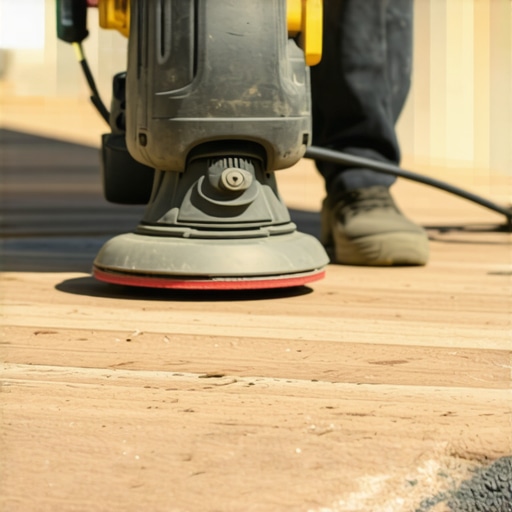
One of my go-to tools is a cordless angle grinder fitted with a wire brush attachment. I use it annually to remove stubborn rust spots or old paint from metal supports, which helps prevent corrosion before applying protective coatings. For wooden surfaces, I prefer a high-quality orbital sander with adjustable grit settings. This allows me to strip old sealants or stains evenly, preparing the surface for fresh finishes. I’ve found that using a dust collection system attached to the sander significantly reduces cleanup time and keeps the workspace clean, which is essential for safety and efficiency.
Specialized Equipment to Detect Issues Early
Investing in a moisture meter is a game-changer. I regularly check the moisture levels in wood supports and decking boards to catch potential rot or mold issues early. For example, if moisture exceeds 20%, I know it’s time to re-seal or improve drainage. Additionally, a thermal imaging camera helps me identify cold spots or hidden moisture accumulation beneath the surface, preventing costly repairs later. These tools are invaluable for long-term maintenance, especially in climates with fluctuating weather conditions.
Software for Planning and Tracking
Beyond physical tools, I rely on project management software like Trello or Notion to schedule maintenance tasks and track supplies. Setting reminders for reapplication of sealants or inspections ensures I don’t overlook crucial upkeep. I also use design apps to visualize potential modifications, like adding new stairs or railings, which helps plan maintenance and upgrades effectively. Staying organized with these digital tools simplifies long-term upkeep and keeps your deck looking its best.
Where Do I Think This Is Going in 2024
Emerging trends point toward smarter, more integrated maintenance solutions. For instance, IoT-enabled sensors that monitor moisture and temperature in real-time could become standard, alerting homeowners immediately to potential problems. Additionally, advances in eco-friendly, self-healing coatings are on the horizon, promising longer-lasting protection with less manual intervention. Staying ahead with these innovations can save time and money, making deck maintenance less of a chore and more of an automated process.
How do I maintain my outdoor deck over time?
The key is consistency. Regular inspections, cleaning, and re-coating using high-quality sealants are vital. I recommend reapplying protective finishes every two to three years and checking fasteners annually to prevent loosening. Incorporating these practices with the right tools, like a moisture meter or power sander, ensures your deck remains safe and stunning for decades. Want to see how professional builders handle this? Check out the benefits of working with a professional deck builder for expert guidance.
< >
>
The Hardest Lesson I Learned About Building Lasting Outdoor Decks
- Never underestimate the importance of a solid foundation. I once rushed through the gravel base and paid the price with a wobbly deck that shifted over time. Now, I always prioritize proper site preparation to prevent future headaches.
- High-quality materials are only half the battle. I learned that even the best composite decking can fail if support structures aren’t designed correctly. Reinforcing support posts with galvanized steel made my deck withstand harsh weather much better.
- Small design details matter more than you think. Proper drainage gaps and sloped surfaces prevent water pooling, which is crucial for longevity. Overlooking these can lead to rapid deterioration and costly repairs.
- Consistent maintenance extends your deck’s life significantly. Regular inspections, re-coating with durable sealants, and timely repairs keep my outdoor space looking fresh and safe year after year.
- Embracing new technologies like moisture meters and thermal imaging cameras helps me catch issues early. Staying proactive with these tools saves money and preserves the beauty of my deck long-term.
My Essential Toolkit for Building and Maintaining Durable Outdoor Decks
- Galvanized steel supports: Resist rot and pests better than traditional wood, proven to increase deck lifespan.
- Composite decking: My go-to for low-maintenance, weather-resistant surfaces, especially from the latest trends for 2025.
- Moisture meter: Detects hidden rot or mold early, saving costly repairs down the line.
- Power sander with dust collection: Ensures even surface prep for re-coating, prolonging finish life.
- Project management software: Keeps track of inspections, maintenance schedules, and upgrades, making long-term upkeep manageable.
Stay Inspired and Take Action Today
Building a durable outdoor deck isn’t just about the right materials; it’s about smart design, consistent maintenance, and embracing innovative tools. Your outdoor space can become a long-lasting haven that elevates your home’s value and your quality of life. Don’t wait—start planning your next project with these insights and watch your outdoor oasis thrive for decades. Ready to transform your backyard into a durable masterpiece? Share your biggest challenge or success story below, and let’s learn from each other’s experiences!