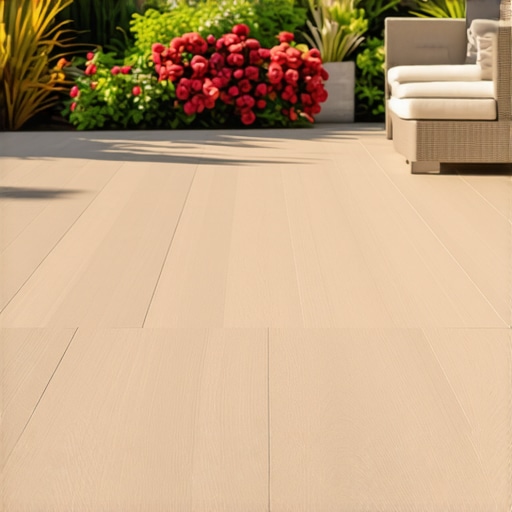
I remember the day I finally took on my backyard project—dreaming of a beautiful, low-maintenance deck that would turn my outdoor space into a personal retreat. But just a few seasons in, I faced unexpected challenges that made me question everything I’d been told about “maintenance-free” decking. A couple of warped boards, stubborn stains, and fading colors later, I realized the promises of effortless upkeep were somewhat misleading.
Why the Hype Around Maintenance-Free Decking Might Be Deceiving You
While the idea of a deck that requires little to no upkeep sounds like a dream come true—no staining, sealing, or sanding necessary—it’s essential to look beyond the marketing. Many homeowners, myself included, jump into these projects expecting zero maintenance, only to find out that some issues are inevitable without proper planning and installation. Understanding the real nature of composite decking and its common pitfalls can save you time, money, and frustration in the long run.
Have you ever invested in a “maintenance-free” feature only to be disappointed shortly after? If so, you’re not alone. The key is to be informed and prepared, so your outdoor sanctuary remains stunning and functional for years.
Is “Maintenance-Free” Actually Worth the Hype?
Early in my decking journey, I made the mistake of trusting the glossy brochures and sales pitches without doing enough research. I assumed that composite decking would be immune to issues like fading or mold, which was a mistake. The truth is, many of these materials require regular cleaning and occasional repairs to truly live up to their “maintenance-free” label.
According to industry experts, even the most durable composites benefit from proper installation and periodic care. For example, ensuring correct ventilation and avoiding excessive shade can significantly prolong the lifespan of your deck. If these details are overlooked, problems such as mold growth, discoloration, and warping can sneak in, despite the claims of maintenance-free living.
The goal here is to set realistic expectations and arm you with knowledge. That’s why today I want to share what I’ve learned about the true nature of maintenance-free decking and how to make informed decisions. Want to discover how to maximize both beauty and durability in your outdoor space? Let’s dive into the practical steps, starting with understanding the common issues faced by homeowners with composite decks, and how professional guidance can make all the difference. For more expert insights, I recommend checking out this guide on working with professional deck builders.
Plan Your Layout and Material Selection Carefully
Start by measuring your outdoor space accurately, considering how the deck will connect with existing features and walkways. Use a tape measure and graph paper or digital design tools to sketch a scaled layout. When choosing composite decking, prioritize low-maintenance options with UV protection and anti-fade properties. Personally, I visited several suppliers, held samples in sunlight, and checked reviews before settling on a brand known for durability. This initial step prevents costly mistakes and ensures your design aligns with your practical needs.
Prepare the Ground and Frame Properly
Clear the area of vegetation, roots, and debris. Mark the foundation points precisely, ensuring a level surface for framing. Excavate where necessary to prevent water pooling beneath the foundation. For the frame, use pressure-treated lumber or steel supports, especially in damp climates. During my project, I miscalculated the slope and had to redo some of the footing placements, which delayed progress but ultimately led to a solid base. Proper framing is crucial; it acts as the skeleton that keeps the deck stable over time.
Follow Best Practices in Deck Construction
Install concrete footings below the frost line to prevent shifting. Use a level to align ledger boards and joists meticulously; a slight tilt can cause uneven decking or water runoff issues. Secure framing with galvanized or stainless-steel fasteners to prevent rust. When attaching the ledger to your house, ensure you use a proper flashing detail to prevent water intrusion—an often overlooked step that can cause rot. I recommend watching this video on composite decking trends for visual guidance on framing and assembly techniques.
Integrate Stairs Safely and Stylishly
Design stairs with consistent riser heights and tread depths to avoid tripping hazards. Use stringers that are properly spaced—typically every 16 inches—to support the treads evenly. When building stairs near your deck, pay special attention to rise and run calculations; a small misstep can make stairs feel uneven. I once built a set where the stringers were slightly uneven, resulting in unstable steps that I fixed by adjusting the framing. For seamless aesthetic transitions, consider integrating stairs into the deck design using these design tips.
Protect Your Investment with Proper Finishing
Once the deck is constructed, apply a high-quality sealant on the cut ends of composite boards to prevent moisture ingress. Regularly clean the surface with gentle, composite-specific cleaners. For stubborn stains, use a soft-bristle brush, avoiding power washers that can damage the composite fibers. Incorporate hidden fasteners during assembly to create a smooth surface and prevent water from pooling around screws. During my project, I used hidden fasteners to achieve a sleek look that also enhanced durability. Maintenance routines like these will keep your deck looking pristine for years, reducing the need for repairs or replacements.Even seasoned outdoor enthusiasts sometimes fall prey to misconceptions that can compromise the longevity and safety of their decks. One such misconception involves the complexity of properly designing stairs. Many assume that a standard rise and run measurement suffices, but overlooking detailed aspects like optimal stringer spacing or proper flashing can lead to unstable or unsafe stairs over time. For an in-depth understanding, see this article on stairs and outdoor living. Additionally, advanced deck builders recognize that the choice of composite materials isn’t just about aesthetics but also about understanding the nuanced differences that influence fade resistance and mold susceptibility. Confusing the two can lead to costly repairs sooner than expected. According to industry experts, selecting composites with proven UV protection significantly reduces fading, which you can verify through this comprehensive guide on trends. Moreover, many underestimate the importance of professional guidance during the design process. DIY attempts often neglect critical details like proper ventilation or foundation depth, making the entire project vulnerable. Working with a professional deck builder ensures these nuances are addressed, extending your deck’s lifespan. An often-overlooked aspect is the integration of stairs with the main deck. Improperly planned transitions can create trip hazards and structural issues. This is where advanced planning becomes vital, as outlined here. Don’t forget safety measures like adequate lighting and proper railing heights, which, if ignored, can compromise your family’s safety. Reflecting on these nuances emphasizes that successful outdoor projects require attention to detail beyond surface-level choices. Have you ever fallen into this trap? Let me know in the comments.Maintaining a beautiful outdoor space requires precision, the right equipment, and a strategic approach. One tool I rely on extensively is a high-quality cordless impact driver. Its power and lightweight design allow me to install and replace fasteners quickly, ensuring a flush surface that minimizes water pooling—crucial for extending the life of composite decking. For cleaning, I recommend a soft-bristle deck brush paired with a specialized composite cleaner, like Olympic Premium Deck cleaner, to gently remove dirt and stains without damaging the surface. These tools help maintain the aesthetic appeal and safety of your deck over time. When it comes to long-term results, I’ve found that investing in a digital moisture meter is invaluable. Regular moisture readings help identify potential mold or rot issues before they become visible or costly to repair, especially in shaded or damp environments. This proactive strategy aligns with expert advice on moisture management to prevent premature deck failure. As we look toward the future, advancements in smart deck sensors and automated cleaning systems are beginning to emerge, promising even greater ease of maintenance. *How do I maintain my composite decking?* Regularly sweep away debris, wash with a gentle cleaner, and periodically inspect fasteners and joists for signs of wear. Don’t forget to check the fastener torque with a digital torque wrench—over time, fastening can loosen, leading to squeaks or unstable boards. I also recommend sealing or treating any cut ends with a UV-resistant sealant to prevent moisture ingress. For stairs, periodic tightening of carriage bolts and checking riser heights ensure safety and visual harmony. Incorporating simple tools like a measuring tape and level during routine inspections can help maintain structural integrity. To streamline your maintenance process, consider a rechargeable cordless drill with different bits for various tasks—this reduces tool switching and speeds up repairs. Keep an eye on emerging trends, such as laser-guided leveling tools, which can significantly enhance accuracy during installation or repairs. By adopting these specific tools and methods, you can extend your deck’s lifespan and keep your outdoor oasis inviting year after year. Want to see how professionals maximize outdoor spaces? Check out these expert ideas. Try implementing a moisture meter today, and your future self will thank you with a beautifully maintained deck that stands the test of time.
Lessons That Changed My Approach to Outdoor Spaces
– I underestimated the importance of detailed planning, especially when it came to staircase safety and integrity. A small oversight in riser height or stringer placement can turn a beautiful deck into a hazard, proving that even minor miscalculations have big consequences.
– Overconfidence in “maintenance-free” materials led me to neglect routine inspections, which later revealed hidden issues like mold or fastener corrosion. Staying proactive with simple tools like a moisture meter can mean the difference between a long-lasting deck and repeated repairs.
– Rushing the framing stage cost me dearly; proper footing depth and level framing are the backbone of a durable deck, and shortcuts here often result in wobbling stairs or uneven surfaces. Remember, patience and precision pay dividends down the line.
– Choosing the right composite decking isn’t just about appearance—UV protection and anti-fade properties are critical. I learned to scrutinize product specs and reviews, emphasizing durability over flashy marketing.
– Integrating seamlessly designed stairs and transitions elevates safety and curb appeal; poor planning can make these areas trip hazards or structural weak points. Consider professional guidance to avoid common pitfalls, as detailed here.