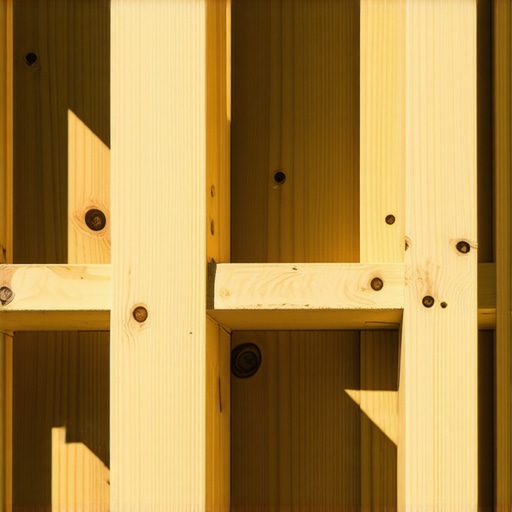
Have you ever stepped onto your deck and felt that unsettling squish or heard that faint creak when you walk over a seam in your composite decking? I remember the first time I experienced it—disappointing and a bit alarming. It was a warm summer evening, and I had just finished installing a beautiful new deck, eager to enjoy my backyard oasis. But as I strolled across, that tiny movement made me question whether I had overlooked something critical. That moment was my lightbulb—realizing that the way we frame and support those seams makes all the difference in durability and safety.
The Hidden Power of Dual Joists
You might be asking yourself, “Why do some professionals swear by double joists under composite seams?” Well, I’ve learned through years of hands-on experience and some costly mistakes that this simple step can prevent major headaches down the line. When composite materials expand and contract due to temperature changes, or when weight shifts across the decking, those seams can become weak links if not properly supported. Double joists distribute the load more evenly, prevent sagging, and significantly extend the lifespan of your deck. Trust me, this small upgrade has saved me from trip hazards and premature repairs more than once.
Is the Extra Work Really Worth It?
Initially, I hesitated—adding more joists means more cutting, more screws, and a bit more time. But skipping this step has its risks. An early mistake I made—using regular screws without considering load distribution—led to some wobbling and, ultimately, a patchwork repair job. Learning from that, I now always opt for double joists under critical seams. Proper support isn’t just about safety; it’s about maintaining that seamless, elegant look we all want in our outdoor spaces.
If you’re curious about how these principles integrate into larger projects—like creating smooth transition stairs or customizing your outdoor living area—check out this guide on seamless transitions. And if you’re ready to improve your deck’s durability, don’t hesitate to reach out for expert advice.
Reinforce with Double Joists for Lasting Support
Start by marking where your seams will be placed on the deck frame. Use a chalk line to ensure straight lines across the joists, similar to laying out a road map for your structure. When installing, measure and cut two sets of joists to run parallel beneath each seam, giving you a double-layer of support. Secure these double joists tightly with corrosion-resistant screws, ensuring even spacing and alignment. I once forgot to double my joists near a high-traffic area, and a few months later, I noticed some bounce and creaking. After tearing out that section, adding the second joist and fastening it properly stopped the movement dead in its tracks, saving me money and hassle.
Precise Placement and Fastening Techniques
Marking and Measuring for Accurate Support
Lay out your deck plan carefully, and double-check measurements before cutting. Use a carpenter’s square to achieve perfect 90-degree angles—imagine it as the GPS guiding your construction. For each seam, position your double joists precisely under the edge where support is critical, such as near stair entrances or high load zones.
Choosing the Right Fasteners
Use galvanized or stainless-steel screws designed for outdoor use; think of them as the armor protecting your joints from rust. Drive screws at least 1.5 inches into each joist, avoiding over-tightening, which can damage the wood. When securing double joists, ensure each is anchored firmly to the main frame and to each other, distributing the weight like a well-balanced bridge.
Aligning with Seam Aesthetics and Functionality
Match the height of your double joists exactly to the surrounding framing to maintain a smooth, seamless surface. Misaligned joists can create bumps or dips, disrupting the aesthetic and safety of your deck. During installation, periodically double-check levels across the seams; think of it as tuning a musical instrument for perfect harmony. Once installed, double-check all fastenings; loose screws can resemble missing puzzle pieces, weakening the entire structure.
Incorporate Seam Support in Larger Projects
Create a cohesive design by integrating double joists wherever seams intersect with stairs or transitions, which are stress points. For example, at the connection between your main deck and stairs, reinforce the framing to handle dynamic loads. Visit this guide on seamless transitions for detailed tips on making smooth, durable connections. If you need personalized advice, consider reaching out to experts who can advise on your specific project and ensure your seams stand the test of time.
While many enthusiasts focus on selecting the right composite decking or designing stylish stairs, few realize the intricate nuances that genuinely ensure durability and safety. There’s a tendency to follow popular trends or oversimplify complex aspects, leading to costly mistakes down the line. As an experienced deck builder, I’ve seen how overlooking subtle details can compromise the long-term performance of outdoor spaces.
Challenging Common Myths About Deck Support
One pervasive misconception is that standard joist spacing suffices for all decking installations. In reality, climate conditions, deck size, and load requirements demand a more nuanced approach. For example, buildings in freeze-thaw regions require tighter spacing and additional reinforcement to prevent shifting or sagging. Relying solely on generic guidelines can result in premature deterioration, especially with composite materials that react differently to temperature changes. Experts recommend consulting detailed load calculations and building codes to tailor your framing structure accurately.
Beware the ‘One-Size-Fits-All’ Approach
Another trap is applying uniform design principles without considering the unique aspects of your landscape. For instance, decks near trees, slopes, or urban environments need specialized footing and drainage solutions to avoid hidden mold or structural issues. Neglecting these nuances can lead to unexpected maintenance woes. You can explore innovative solutions for seamless transitions and optimal drainage by visiting this guide on transitions.
How to Optimize Stair Safety and Aesthetics
Advanced deck designs often integrate stairs as focal points, but many overlook the importance of precise measurements and support. Small errors in riser height or tread depth can create trip hazards or cause uneven wear. Proper framing with reinforced support and strategic fasteners can mitigate these issues, extending the life of your stairs. Additionally, selecting materials that accommodate weather fluctuations—like stainless-steel fasteners for composite decking—can prevent staining or corrosion over time. Want to elevate your ideas? Check out this article on stairs design.
Furthermore, many underestimate the impact of detailing in composite decking, especially around cuts, ends, and seams. Sealing cut ends with specialized compounds and employing hidden fasteners not only enhance aesthetics but also prevent moisture ingress and mold growth. Incorporating these details into your project can dramatically improve longevity and visual appeal. For insights, see transformative decking ideas here.
Assessing Advanced Mistakes and How to Prevent Them
An often-overlooked aspect is the installation environment; factors like wind exposure or ground stability influence framing decisions. Failing to account for these can lead to wobbling or structural failure. Moreover, neglecting to follow manufacturer guidelines for composite materials—such as spacing and support—often results in warping or discoloration. Therefore, leveraging expert guidance and understanding the detailed nuances can save you from these pitfalls. For more comprehensive support, consider reaching out via this contact page.
In essence, mastering the subtleties of outdoor living design—beyond the basics—empowers you to build safer, longer-lasting, and visually stunning spaces. Let me know in the comments: Have you ever fallen into this trap? Share your experiences and questions below!
Keeping It Working: Tools and Techniques for Outdoor Deck Success
Building a durable and beautiful outdoor space is only part of the battle; maintaining it over time requires the right tools and a strategic approach. Personally, I rely on a curated set of equipment that ensures my decks, stairs, and composite elements stay in top shape for years to come. Investing in quality tools doesn’t just save time; it also prevents costly repairs down the line.
One of my go-to pieces of equipment is a cordless impact driver. I prefer models like the Milwaukee M18 Fuel Impact Driver because of their power-to-weight ratio, which makes fastening fasteners to composite or treated wood quick and effortless. It offers consistent torque, minimizing the risk of over-tightening and damaging sensitive composites. For precision, I always keep a digital level like the Bosch D-TECT 150, which helps me ensure every joist and frame element remains perfectly aligned—crucial for making seamless transitions and safe stairs. Proper alignment not only looks professional but also extends the lifespan of the entire structure.
Regularly checking and maintaining your fasteners is also vital. I swear by a magnetic screw holder to prevent loss of screws during installation, especially when working on high, hard-to-reach areas. It might seem minor, but overlooking fastener integrity can cause loose railings and uneven surface support, leading to long-term issues.
For cleaning and minor repairs, a pressure washer with adjustable pressure settings is indispensable. However, I highly recommend using it cautiously—avoid exceeding 1500 PSI on composite surfaces to prevent surface damage. Additionally, I keep a supply of specialized sealants to protect cut ends that are vulnerable to moisture ingress, especially around seams and edges.
Looking ahead, I believe the trend is moving toward smart maintenance tools and innovative materials. Automated sensors that monitor structural integrity or moisture levels could revolutionize outdoor living upkeep, giving homeowners real-time data to act before problems escalate.
How do I keep my outdoor spaces functioning over time?
Routine inspections are key: check fasteners, clean surfaces, and identify early signs of wear. I recommend scheduling a comprehensive assessment every spring and fall. Also, applying protective coatings like sealants on visible areas and joining points helps fend off weather-related deterioration. Using high-quality fasteners, such as stainless steel or corrosion-resistant screws, can prevent rust that compromises support over time. For stairs and seams, replacing worn-out or loose fasteners immediately maintains safety and aesthetic appeal.
Another tip I stand by: setting up a dedicated maintenance kit with the tools mentioned helps streamline upkeep. For example, a small drill bit set with different sizes ensures you’re ready to tighten or replace fasteners at a moment’s notice. Don’t forget to consult expert guides regularly — for instance, considering the insights from this resource can guide you in maintaining seamless stairs and transitions effectively.
Finally, always keep an eye on emerging trends like advanced composite materials and digital monitoring tools. Being proactive in adopting these innovations will help your outdoor spaces remain stunning and functional for years.
Try implementing a regular maintenance routine using the right impact driver and level—these small steps make a big difference in the long run!
Over the years, one truth I’ve discovered is that the small details in deck framing can make or break your project’s longevity. The most overlooked lesson is how critical double joists are beneath major seams—they might seem like a minor step, but they significantly enhance stability and durability, especially with composite decking that reacts to temperature shifts. If I had a dollar for every wobble caused by neglecting this support, I could fund a full overhaul of my entire backyard. Trust me, investing time in precise framing upfront pays off by safeguarding your outdoor oasis for years to come.
The Lessons Hidden in My Mistakes That Boost Deck Resilience
- The Double Joist Revelation: I once thought a single joist was enough under a seam, only to return months later to a deck with subtle bounce and creak. Reinforcing with double joists immediately stopped the movement—saving me from costly repairs and safety concerns. Never underestimate how just an extra support can elevate your decking’s lifespan.
- Fastener Choices Can Make or Break Support: Using the right corrosion-resistant screws, like stainless steel, has been a game-changer. I’ve learned that the quality of fasteners directly impacts how well your deck withstands weather and heavy usage. Cheap screws are a false economy—they lead to loose surfaces and safety hazards over time.
- Measuring Matters More Than You Think: Precision in marking and measuring, especially for aligning double joists, ensures a seamless surface and prevents dips or bumps that compromise aesthetics and safety. My biggest eye-opener was realizing that every millimeter counts for supporting composite boards effectively.
- Addressing Details Around Seams and Transitions: Sealing cut ends and reinforcing where stairs connect with the main deck has dramatically extended support life. Small measures like sealing prevent moisture ingress that causes rot and discoloration, which I once overlooked—resulting in unnecessary replacements.
- Thinking Beyond the Basic Design: Incorporating seamless transitions and considering environmental factors like ground stability and climate conditions can prevent hidden issues. Tailoring your framing to your landscape can save headaches later, as I learned when ignoring slope and soil conditions led to unintended shifting.
My Essential Tools for Building and Maintaining Deck Support
- Cordless Impact Driver: A reliable impact driver, like the Milwaukee M18 Fuel, accelerates fastener installation, ensuring consistent pressure without damaging delicate composite materials. It’s my go-to for quick, strong fastening that lasts.
- Digital Level: Tools like the Bosch D-TECT 150 help me double-check every joist and support element for perfect alignment, which is key for both safety and visual appeal. Proper leveling prevents future sagging and uneven surfaces.
- Magnetic Screw Holder: This small tool keeps screws handy, especially when working high or in tight spots. It’s saved me hours of frustration and components from dropping into hard-to-reach areas.
- Pressure Washer with Proper Settings: Gentle cleaning protocols with adjustable pressure help me remove grime without damaging composite surfaces. Maintaining a clean deck keeps supports visible for early inspections and prolongs lifespan.
Ready to Elevate Your Outdoor Haven Today
Embracing these nuanced framing strategies transforms a basic deck into a long-lasting retreat your family can enjoy for generations. Remember, the quality of your support deeply influences the safety, appearance, and durability of your outdoor living space. Don’t hesitate to explore innovative design ideas or consult professionals—your dream deck is within reach, and masterful framing is the cornerstone to making it last. Dive into this guide on seamless transitions to perfect your project’s integration, or reach out for expert advice when needed. Your backyard masterpiece awaits—build it to stand the test of time and weather.