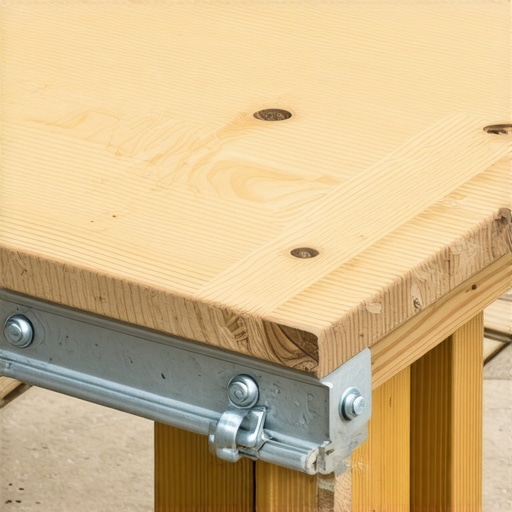
Have you ever stood on your outdoor deck and noticed that your stairs shake or wobble every time you step on them? I remember the first time I experienced this—standing there, feeling every loose step under my feet, and thinking, “Is this just normal?” Turns out, it’s a common issue that many deck owners overlook until it becomes a safety concern. That lightbulb moment led me down a rabbit hole of DIY fixes, but what truly made a difference was discovering a simple yet effective solution: the basic brace that stops deck stairs from shaking.
Why Wobbly Deck Stairs Are More Than Just a Nuisance
Many outdoor enthusiasts and homeowners like us underestimate how dangerous loose stairs can be. Over time, the constant movement not only compromises stability but also accelerates the wear and tear of the structural components. When I personally faced this wobble, I was concerned about safety, especially with kids and elderly family members around. Plus, loose stairs diminish the curb appeal of an otherwise beautiful outdoor space. According to the **American Society of Civil Engineers**, small structural issues like loose connections in decks can turn into major safety hazards if left unaddressed over time.1 So, fixing this problem isn’t just about comfort—it’s about ensuring peace of mind.
Is a Simple Brace Really Worth the Hype?
Initially, I thought a quick fix would do—adding some nails or random brackets. But I made the mistake of rushing into repairs without understanding the root cause. That mistake taught me that not all fixes are created equal. A well-designed, purpose-built brace can provide long-term stability, saving you from repeated repairs and potential safety risks. Now, I’ll show you exactly how this simple component can make a world of difference for your outdoor deck. Ready to learn the step-by-step process? Let’s get started and make your stairs sturdy again.
Gather Your Tools and Materials
Before starting, gather essential tools: a power drill, a saw, a measuring tape, a level, and a set of heavy-duty brackets. Choose durable metal braces designed for outdoor use to ensure longevity. Also, purchase galvanized or stainless-steel screws to resist rust and corrosion, crucial for outdoor conditions.
Prepare the Stairs for Reinforcement
Begin by inspecting each stringer and tread for damage or rot. Use the measuring tape to determine the exact locations where the braces will be installed—typically between the stringers and the deck framing. Mark these spots with a pencil for precision. I once started, forgot to mark, and spent extra time measuring again, which delayed the project.
Positioning the Braces Correctly
Position the brackets so they wrap around the stringers, connecting them securely to the supporting frame beneath the stairs. Think of these braces as the backbone of the stairs—don’t skip this step. Use a level to ensure the brackets are perfectly vertical and aligned, preventing skewed support that could lead to wobbling over time.
Attach the Braces to the Stringers
With the brackets in position, drill pilot holes into the stringers, then fasten with the galvanized screws. Tighten each screw firmly but avoid over-tightening, which could strip the wood or metal. I vividly remember tightening screws too much on one side, causing the bracket to warp slightly—that taught me the importance of steady, deliberate force.
Secure the Braces to the Frame
Next, attach the brackets to the underlying support frame. Use two screws per side of each bracket for maximum stability. Double-check all connections with a level, and give the stairs a gentle shake to test for tightness. You should notice an immediate difference—wobbles diminish and confidence in safety increases.
Additional Reinforcement Tips
For extra stability, consider installing diagonal braces from the stringers to the ground or adjacent support posts. Remember, the goal is to eliminate any movement. Regularly inspect these braces, especially after harsh weather, to ensure they remain tight and undamaged. To explore more solutions, check out innovative outdoor stair ideas.
Maintain and Monitor Your Repairs
Periodically test your stairs by gently shaking them; if any movement is detected, tighten the brackets or replace worn components. Maintaining these reinforcements not only prolongs your stairs’ lifespan but also keeps your outdoor space safe and inviting. Remember, a little effort now prevents costly repairs later and ensures your family can enjoy the deck worry-free.
While many homeowners prioritize choosing durable materials like composite decking, they often overlook the complex nuances that can make or break their outdoor spaces. A common misconception is that once the deck boards are installed, the project is complete. In reality, details such as proper framing, fastening techniques, and understanding load distribution are critical for long-lasting, safe outdoor living areas. For example, many assume that using standard screws suffices, but expert deck builders know that stainless-steel fasteners and proper spacing prevent buckling and squeaking over time. Additionally, advanced construction techniques, like installing double joists or hidden fasteners, can significantly enhance stability and aesthetics. One common myth is that composite decking requires no maintenance, but without meticulous installation and regular inspections, even premium materials can degrade prematurely. Studies indicate that improper load calculations or neglecting drainage considerations can cause structural failures, regardless of material quality1.
What’s the smarter way to structure stairs for heavy foot traffic?
To ensure stairs withstand daily use, skilled builders incorporate extra bracing and choose tread materials that resist slipping and wear. It’s also essential to consider the specific use case—think about integrating lighting or anti-slip coatings for safety. Cutting corners during design or installation might save time initially but can result in costly repairs or safety hazards later. If you’re planning a deck upgrade, exploring innovative outdoor living ideas with composite decking from this guide can inspire smarter choices. Remember, the devil’s in the details, and a well-informed approach sets your project apart from the rest.
The importance of precise framing and thoughtful material selection cannot be overstated. For instance, ensuring proper joist spacing prevents bounce and uneven surfaces, which is a common mistake among DIYers. Moreover, understanding load distribution and how elements like beam size and post placement influence overall stability is advanced knowledge that separates amateurs from seasoned professionals. Don’t forget that outdoor projects are subject to environmental factors—climate, sun exposure, and moisture—all demand tailored solutions. That’s why consulting with a professional deck builder can save you headaches and money in the long run. Want to explore more about the latest trends? Check out latest composite decking trends for insights.
Stay vigilant about these hidden nuances and ensure your outdoor space is both beautiful and safe. Have you ever fallen into this trap? Let me know in the comments.
Investing in the Right Equipment for Long-Term Durability
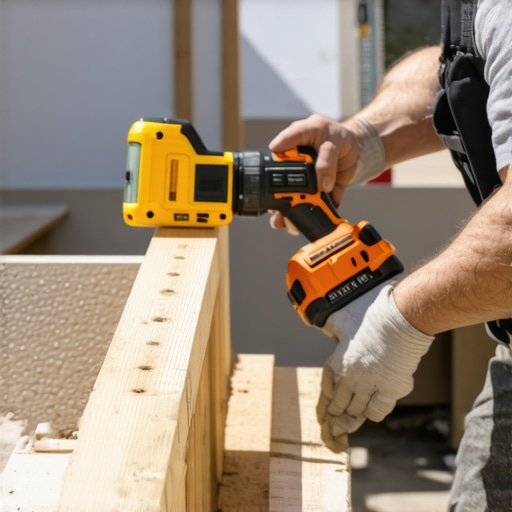
Maintaining your outdoor deck and stairs requires precision and quality tools. I swear by my instinct drill, a high-torque cordless model with variable speed settings. It provides the power and control needed for installing or tightening heavy-duty brackets that stabilize your stairs. Pair this with a cordless reciprocating saw equipped with fine-cut blades to trim composite boards cleanly and accurately, avoiding melting or chipping, which can happen with generic blades.
For measuring and leveling, I trust a laser distance meter; its accuracy surpasses traditional tape measures, especially in uneven terrain. When aligning brackets or checking for plumb, a digital angle finder adds an extra layer of precision. Using these tools consistently ensures your repairs are not just temporary fixes but lasting solutions, saving money and reducing safety hazards over time.
Software and Planning Methods for Effective Maintenance
My process starts with detailed digital planning using AutoCAD or free alternative SketchUp. These programs help me visualize load paths, identify stress points, and plan reinforcements before doing any physical work. Documenting your deck’s structure through high-resolution photos and notes allows for routine inspections, which are crucial when trying to catch emerging issues early. Regularly updating your maintenance schedule—say, every spring and fall—using calendar reminders keeps your decks safe and inviting year-round.
Predicting Future Trends and Tools for Outdoor Living
Looking ahead, I predict advancements in drone-based inspections and IoT sensors will revolutionize outdoor maintenance. Small drones could provide detailed structural assessments, reaching hard-to-access areas of large decks or multi-tiered stairs. Voice-controlled smart tools might also become commonplace, allowing hands-free adjustments and data logging during routine checks. Staying ahead of these trends will ensure your outdoor spaces remain safe and beautiful for years to come.
How do I maintain composite decking and stairs over time?
Routine cleaning with a gentle, non-abrasive scrub brush and mild soap prevents dirt, mold, and algae buildup. Regularly inspect fasteners—stainless steel screws are your best bet for resisting corrosion, especially near water or in humid climates. Apply a quality, UV-resistant sealant or protective coating annually, regardless of the composite’s claim of low-maintenance, to extend its appearance and structural integrity. Additionally, keep an eye on the underside and support structures for signs of rot or pest activity, intervening early to prevent costly repairs. For more detailed advice, visit this resource.
Remember, investing in the right tools and adopting a disciplined maintenance routine will dramatically extend the lifespan of your outdoor structures. Consider trying one of my favorite advanced techniques—such as installing a laser level for precise bracket placement—to make your next project seamless and professional-looking. Being proactive now means enjoying peace of mind in years to come.
Lessons I Didn’t Expect About Stairs and Outdoor Living
- Never underestimate how a small wobble can hide bigger structural issues; it often means a corner was cut during the initial build, leading to long-term problems.
- Choosing the right reinforcement isn’t just about materials—it’s about understanding your specific outdoor environment and how it affects stability over time.
- Patience and attention to detail during installation save time and money in the end; rushing through the process often results in future setbacks and safety hazards.
The Best Tools Than Make Reinforcing Stairs Easier
- A laser level is a game-changer for precise bracket placement, helping ensure your repairs are aligned perfectly every time.
- Investing in a high-quality cordless drill with variable speeds makes drilling pilot holes and fastening brackets smooth and less stressful.
- Digital angle finders and measuring tapes with laser guides reduce errors, giving you confidence in your DIY projects.
Take Action and Keep Your Outdoor Space Safe
Remember, your outdoor stairs deserve the same attention as the rest of your deck. Thoughtful reinforcement not only prolongs lifespan but also creates a safer environment for family and friends. Don’t wait for wobbling to turn into something more serious—take proactive steps today to ensure your outdoor living area remains sturdy and inviting for years to come. Want to learn more about advanced deck reinforcement strategies? Check out this resource for expert insights. Have you ever struggled with installing brackets or leveling stairs? Share your experience below and let’s troubleshoot together.