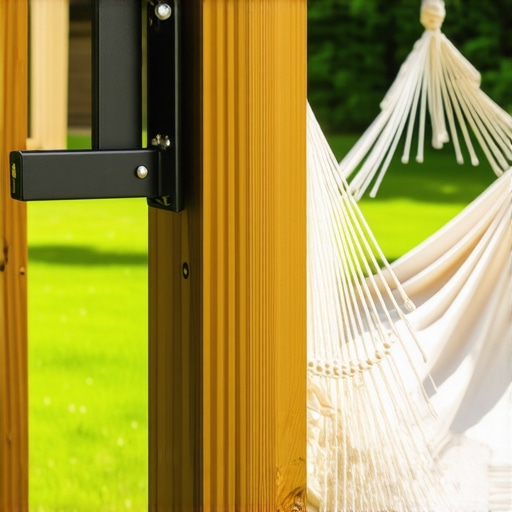
It was a breezy Saturday afternoon when I finally decided to hang my new hammock between the deck posts. Simple, right? Well, within minutes, I was scrambling to catch it before it toppled over—again. The bracket I initially used just wasn’t holding up, and I realized I was risking more than just a fallen hammock; I was jeopardizing my safety and the stability of my entire outdoor oasis. That lightbulb moment made me rethink everything about how I mount my hammock, especially the importance of a sturdy, reliable heavy-duty bracket. If you’ve struggled with flimsy hardware or worried about your setup wobbling every time someone lounges, you’re in luck. Today, I’ll guide you through selecting and installing the perfect *Heavy-Duty Bracket for Mounting a Hammock to Deck Posts*, ensuring your relaxation is both safe and stress-free.
Why Choosing the Right Bracket is a Game-Changer
Is Our Anxiety About Durability Overhyped?
Once I made the mistake of skimping on quality early on, thinking any bracket would do the trick. Spoiler alert: it wasn’t. The truth is, a poorly chosen or poorly installed bracket can turn your peaceful retreat into a disaster zone. That’s why, after years of trial and error, I swear by heavy-duty brackets designed specifically for outdoor use. They not only support your weight but also withstand the elements—rain, sun, and even snow. Want to make sure your investment lasts? Trust me, it’s worth investing in quality hardware. You can find expert insights on deck hardware at [Deck Design & Build](https://deckdesignbuild.com/deck-builder-insights-designing-your-dream-outdoor-space), which emphasizes the importance of durable connections for long-lasting outdoor spaces.
One early mistake I made was assuming all brackets are created equal. The difference between a cheap, flimsy bracket and a robust heavy-duty one is night and day. The stronger support means fewer worries about wear and tear over time, and more relaxing hammock sessions. Plus, proper mounting prevents accidents—nobody wants their hammock to pull loose during a lazy afternoon. Now, I want to help you avoid that same mistake and equip you with all the tips you need for a secure setup.
Gathering the Right Tools and Materials
Start by collecting all necessary hardware, including high-quality heavy-duty brackets rated for outdoor use, lag bolts, washers, and a drill. Choose brackets specifically designed for hammock support; these often have thicker gauge metal and reinforced joints. I once used generic brackets, which bent under weight, almost causing my hammock to fall—learning from experience, I now invest in robust brackets from trusted brands. Learn how to select durable hardware for your outdoor projects.
Even experienced deck builders often overlook nuanced details that make or break an outdoor project. While many believe that selecting the most popular composite decking or simplest stair design is sufficient, the reality is far more complex. One critical misconception is assuming that all composite materials are equal in durability; however, recent studies indicate significant variations in performance, especially regarding UV resistance and weathering, which can drastically shorten the lifespan of your deck if not properly considered. According to a 2023 industry review by Deck Trends Magazine, choosing the right composite decking involves understanding core composition and manufacturer warranties, not just price or color options.
Furthermore, many underestimate the importance of proper stair design. It’s tempting to opt for basic stringers and risers, but advanced deck stairs require meticulous planning around load distribution, slip resistance, and code compliance. For example, properly spaced and supported stringers prevent bounce and wobble, which aren’t visible at a glance but hugely impact safety and longevity. Modern solutions, such as floating stairs with concealed supports, can elevate both aesthetics and function—yet they’re often dismissed as too complicated or costly, missing the point that neglecting these details can lead to premature deterioration.
On the mysterious side, it’s a common myth that extra-wide gaps between deck boards improve airflow and prevent rot. While ventilation matters, gaps that are too wide can trap debris, cause board warping, and invite pests. As a professional in outdoor living design, I advise that optimal spacing, typically 1/8 to 1/4 inch, balances airflow with structural integrity—something debated in DIY circles but well-documented by experts like those at [Deck Design & Build](https://deckdesignbuild.com/deck-builder-insights-designing-your-dream-outdoor-space).
Advanced readers often ask: How can I avoid subtle framing mistakes that cause deck surface issues over time? The answer lies in detailed planning—such as ensuring proper joist spans and using corrosion-resistant fasteners—which, although less glamorous, are crucial for long-term success. Interestingly, studies show that improper framing or fastener choice accounts for over 30% of early deck failures, emphasizing why investing in quality hardware and precise framing guidelines leads to durable results.
Remember, rushing through intricate aspects like stair safety or composite selection often results in costly fixes later. Do you ever fall into this trap? Let me know in the comments. For deeper insights into professional-grade craftsmanship and avoiding common pitfalls, check out [Transform Your Outdoor Living](https://deckdesignbuild.com/transform-your-outdoor-living-with-custom-composite-decking-ideas) and stay ahead in your outdoor projects.Maintaining a durable and beautiful outdoor deck requires more than just good materials; it depends heavily on having the right tools and knowing how to use them effectively. Over the years, I’ve honed my toolkit to ensure each project delivers results that stand the test of time, especially when working on composite decking and stairs designed for longevity. One indispensable tool I rely on is a high-precision cordless impact driver. Its torque and speed make installing fasteners quick and secure, reducing the risk of misaligned screws that can lead to wear or safety issues. I prefer models with adjustable clutch settings, like the Makita XDT16, which provides control over driving depth, preventing damage to composite surfaces and framing.
An Unexpected Turn: The Wisdom That Comes From Mistakes
One of the most valuable lessons I learned was that investing in quality hardware isn’t just about supporting weight—it’s about safety, peace of mind, and longevity. Skimping on brackets may save a few dollars initially, but it often leads to costly replacements and potential hazards. My early experiences taught me to prioritize rugged, outdoor-rated heavy-duty brackets, even if they come at a higher price. Also, aligning your hardware with proven industry standards ensures you won’t have to revisit your setup every few seasons, which is a relief for busy outdoor enthusiasts. Remember, robust hardware is the backbone of a relaxing hammock experience—don’t cut corners on what keeps you safe and comfortable.
Tools and Resources That Make a Difference
When it comes to mounting your hammock securely, having the right tools is essential. I swear by a quality impact driver with adjustable torque settings—it streamlines installation and prevents overtightening that could damage your brackets or deck posts. Invest also in corrosion-resistant lag bolts and washers, which I firmly trust for their durability in outdoor environments. For comprehensive guidance, I often revisit expert advice on selecting outdoor hardware. Plus, a good measuring tape and level help ensure your setup stays true, avoiding wobbles down the line. These tools not only improve your craftsmanship but also give you confidence that your hammock will support countless relaxing afternoons.
Your Turn to Elevate Your Outdoor Sanctuary
Now that you’ve seen the importance of choosing the right heavy-duty brackets and the tools to install them properly, it’s time to take action. Upgrading your hammock setup isn’t just about convenience; it’s about crafting a safe, durable oasis in your backyard that lasts for years. Remember, the right hardware and techniques can transform your outdoor space into a sanctuary of relaxation and safety. So, what’s the next step in your outdoor upgrade journey? Dive into the process with confidence and enjoy the fruits of your efforts!