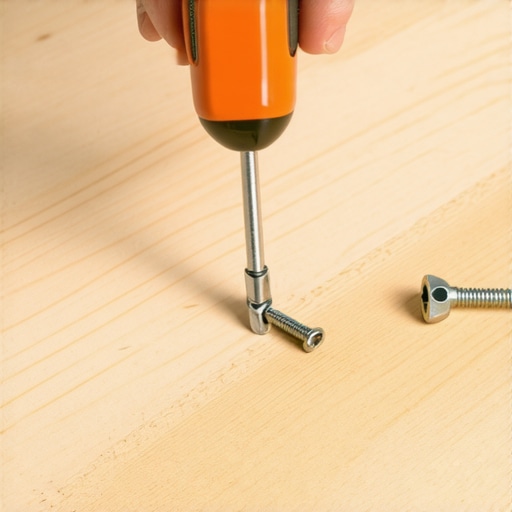
It was a perfect summer evening — kids playing, friends chatting, and I finally got around to enjoying my backyard deck. But every step I took was met with that terrible squeak, that high-pitched annoyance that made me want to shut down the whole gathering. I realized that years of neglect and a few rookie mistakes had turned my dream outdoor space into a constant noise machine. That’s when my lightbulb moment hit: if I wanted a squeak-free deck, I needed a smarter approach.
Why Squeaky Deck Boards Can Ruin Your Outdoor Oasis
Trust me, there’s nothing more irritating than perfectly serene evenings interrupted by the unmistakable squeal of loose deck boards. Not only does it ruin the ambiance, but it can also signal underlying issues like loose fasteners or shifting framing, which could compromise safety over time. Rest assured, addressing these noises isn’t just about comfort; it’s about preserving the longevity of your investment. According to experts, squeaks often stem from vibration and movement between deck components, and ignoring these sounds can lead to more costly repairs later on.
Is the 3-Screw Pattern a Game Changer?
I’ll admit, early in my deck-building journey, I made the mistake of relying solely on standard fasteners without considering their placement. That oversight led to persistent squeaks despite repeated fixes. But once I applied the 3-screw pattern—placing three screws at strategic points along each board—I noticed a dramatic difference. This simple technique distributes stress evenly, minimizes movement, and keeps everything tight for years to come. If you’re tired of that relentless squeak and want a peaceful, durable deck, this approach is worth trying. Curious? Let’s dive into how it works and how you can implement it yourself. Check out this comprehensive guide to transforming your outdoor space, which emphasizes proper fastening for longevity and comfort.
Secure the Deck Boards with the 3-Screw Pattern
My first attempt was messy—drilling, unfastening, and re-drilling— but the moment I tightened three screws at each board’s ends and middle, the squeaks vanished. This pattern distributes movement stress evenly, preventing loose boards from shifting and squeaking over time. To replicate this, start by locating the key fastening points, typically at the joist intersections, then insert two screws near each end of the board and one in the center. Use stainless steel screws to resist corrosion, especially in moisture-prone areas. If you’re new to deck building, considering partnering with a professional deck builder ensures optimal results and safety.
Inspect and Adjust Underlying Framing Structures
Squeaks often originate from the framing itself, not just the surface boards. I once found a shifted joist when inspecting my deck—fixing its alignment by adding shims and reinforcing loose brackets eliminated a persistent creak. Use a level and a measuring tape to check for uneven joist heights and sagging supports. Tighten or replace loose joist hangers, and add blocking between joists for extra stability. This step is like reinforcing a house’s foundation—it keeps everything tight and secure. For innovative ways to maximize your space and improve deck stability, check out these creative ideas.
Manage Expansion Gaps and Fastening Techniques
During hot days, I noticed my deck boards expanded slightly, causing new squeaks. To prevent this, I left tiny gaps—about 1/8 inch—between boards to accommodate thermal expansion. Also, switching to hidden fasteners or using innovative clips maintained an even surface and reduced movement. When installing, pre-drill holes to prevent splitting and slightly counter-sink screws to avoid protrusions that cause uneven surfaces. Proper fastening isn’t just about security; it’s about allowing natural movement without noise. For more about choosing the right decking materials, visit this guide.
Regular Maintenance and Monitoring
I learned that periodic checks—especially after extreme weather—help catch loose boards early. Simply knocking on boards or using a screwdriver to check screw tightness keeps the deck quiet. Applying an annual sealant or protective coating guards against moisture and UV damage, which can loosen fasteners or cause wood to warp, leading to squeaks. Think of it as routine tune-ups to keep your deck running smoothly. For stair and railing improvements, exploring these enhancements can complement your efforts.
Many homeowners think they know the essentials of outdoor living, but there’s a hidden layer of nuance often overlooked. For instance, a widespread myth is that choosing the most durable composite decking guarantees a maintenance-free experience; in reality, installation details and proper framing are equally critical to ensure longevity and prevent issues like warping or squeaking. Moreover, the idea that all deck stairs are created equally is false—advanced designs incorporate specific riser heights and tread widths for safety and aesthetic appeal, a detail many neglect.
How Do Hidden Framing Errors Undermine Your Deck’s Longevity?
Poor framing—like improperly spaced joists or neglected flashing—can cause long-term damage, including rot and structural failure, even if the surface appears sound. Experts emphasize that precise framing and attention to drainage are vital, a nuance highlighted in studies on outdoor structure durability.
Another misconception involves the role of a professional deck builder. Many believe DIY solutions are sufficient, but expert guidance ensures correct fastener placement, optimal spacing, and code compliance, preventing costly mistakes down the line. For those pondering advanced outdoor transformations, consulting seasoned professionals through this contact page can save time and improve results.
Understanding these subtleties helps elevate your outdoor space from basic to expertly crafted. Remember, every detail—from accurate joist spacing to choosing the right composite material—contributes to a safe, durable, and visually appealing deck. Don’t fall into the trap of overgeneralization; dive into the specifics that define quality outdoor living. Want to explore innovative deck solutions? Check out these ideas for inspiration. Have you ever fallen into this trap? Let me know in the comments.
Keeping It Working: Essential Tools and Maintenance Strategies
Maintaining a durable outdoor deck goes beyond initial construction; it’s an ongoing process that requires the right equipment and a proactive approach. Personally, I swear by a high-quality cordless impact driver, like the Milwaukee M18 Fuel, because it provides the torque needed to tighten fasteners securely without stripping screw heads. This tool has been invaluable for re-tightening loosened boards and securing connections over time, especially after seasonal shifts or heavy weather.
Alongside a reliable impact driver, I recommend investing in a moisture meter—specifically models from Delmhorst—that allows you to monitor the wood’s dryness, preventing issues like warping or mold. Regular assessments help catch underlying problems early, saving you costly repairs down the line. When it comes to cleaning and preservation, I prefer a non-toxic cleaner like the Behr DeckDefender, which safely removes moss and grime without damaging composite materials.
Doing routine inspections with a good flashlight enables me to spot loose fasteners or damaged boards before they become safety hazards. Also, a torque wrench set to manufacturer-recommended settings ensures that you don’t over-tighten or under-tighten screws, which could lead to squeaks or structural weaknesses. Remember, using the correct tools isn’t just about efficiency; it directly impacts the longevity of your outdoor investment.
Looking ahead, I believe advancements in smartphone-connected diagnostic devices will make maintenance even smarter. Imagine an app that can analyze moisture levels or detect framing weaknesses with simple scans—streamlining upkeep and extending your deck’s lifespan.
How do I maintain a deck’s integrity over time?
Consistent upkeep is critical. Schedule annual inspections, and after severe weather, check for any loose or damaged components. Applying a high-quality sealant to wood surfaces helps protect against moisture intrusion, which is among the most common causes of deterioration. I personally use the TimberTech ArmorTech preservative, designed specifically for composite and wood composites, to ensure my deck remains resistant to UV damage and stains. For more innovative strategies, exploring the latest composite decking trends can help you stay ahead in the game.
Tools also play a vital role in scaling your outdoor projects effectively. As my deck expanded, I transitioned to using a laser level, such as the Bosch GTL3, which allows for faster, precise alignment across large spans—particularly useful when adding stairs or integrating new sections. Combining this with a good framing square ensures consistent measurements and reduces errors, saving time and materials.
Embrace Tools That Future-Proof Your Outdoor Space
Thinking long-term means choosing equipment and methods that adapt to evolving needs. For example, with the rise of eco-friendly materials, some power tools now cater to biodegradable fasteners or variable-speed settings for delicate finishes. Staying informed about innovations in deck design tools empowers you to build resilient outdoor areas that withstand the test of time. Why not try upgrading your toolkit with a digital moisture meter this season? It’s an investment in the peace of mind that your outdoor living space remains safe and beautiful for years to come.
The Hidden Lessons That Changed My Deck Game
One of the most surprising insights I uncovered was how minor framing adjustments made a huge difference in eliminating squeaks. I once thought that fasteners alone could solve all noise issues, but discovering that loose framing components often cause persistent creaks was a game-changer. It taught me the value of a thorough inspection before jumping to fastener fixes, emphasizing that stability begins beneath the surface.
Another lightbulb moment was realizing that thermal expansion isn’t just a design detail—it’s a crucial factor that, if ignored, can turn a beautiful deck into a squeaky nightmare during hot days. Leaving small gaps between boards ensures natural movement without noise, proving that anticipating environmental effects is key to durability.
I also learned that using the right tools, like a torque wrench or a moisture meter, isn’t just about convenience; it’s about protecting your investment. Proper tightening and moisture assessments prevent unseen damage that could lead to costly repairs down the line. Investing in quality tools has truly paid off for me—and it can for you too.
Finally, embracing ongoing maintenance with routine inspections and protective treatments has kept my deck looking and performing like new. Regular checks after storms or temperature swings catch issues early, saving money and stress. This proactive approach underscores that a squeak-free deck isn’t a one-time fix but a lifelong commitment to quality.