
I remember the exact moment I realized I might have bitten off more than I could chew with my first big outdoor project. It was a warm Saturday afternoon, and I was excited to see my freshly built deck—until I noticed that the pressure-treated wood I selected was already starting to show signs of rot near the edges. It was a gut punch. All that effort, all that money, seemingly wasted in just a few months.
Like many DIY enthusiasts, I had trusted pressure-treated wood because I thought it was impervious to rot. Turns out, I was wrong. The real breakthrough came when I discovered a crucial step I had overlooked. Today, I want to share what I learned—something that could save your outdoor space from the same fate.
The Common Mistake That Turns Pressure-Treated Wood to Dust
Most people, including myself at first, think that simply choosing pressure-treated wood is enough to prevent rot. This misconception can lead to costly repairs and a shortened lifespan for decks, stairs, and other outdoor structures. The truth? Pressure treatment offers protection, but only if you follow proper sealing and finishing steps that shield the wood from moisture and pests.
My early mistake was assuming that the treatment alone would do the job. I didn’t realize that without sealing the wood after installation, water could seep into the fibers, creating the perfect environment for rot and decay. The result? A beautiful deck that began to crumble long before its time.
Research by the University of Tennessee notes that ‘failure to properly seal or finish pressure-treated lumber significantly reduces its lifespan’ (source: https://www.utk.edu). This emphasizes the importance of not just selecting the right wood but also applying the right protective finishes.
Have you faced this problem—trusting pressure-treated wood only to see it decay faster than expected? If so, you’re not alone. Many outdoor project enthusiasts miss this critical step, leading to avoidable frustration.
Next, I’ll guide you through exactly what you need to do after your wood is installed to ensure it lasts for years, not months. From choosing the right sealant to applying it correctly, these steps made all the difference in my outdoor living space—and they can help yours too.
Apply a High-Quality Sealant Immediately After Installation
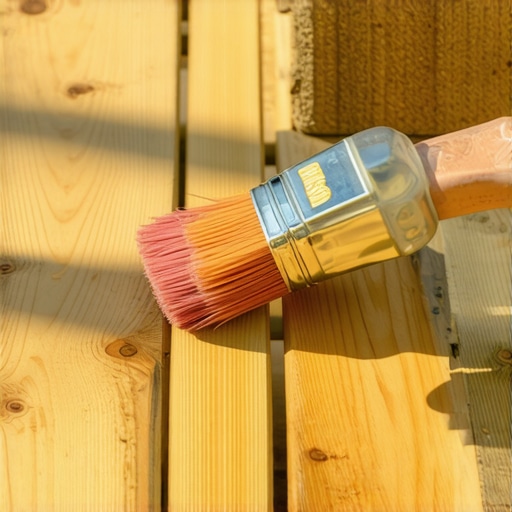
Once your pressure-treated lumber is in place, act quickly by applying a suitable sealant. I learned this the hard way when my first deck started rotting within a year because I didn’t seal it right after construction. Using a brush or roller, coat all surfaces—top, bottom, sides, and cut ends. This prevents water infiltration, which is the main culprit behind rot. Think of sealing as putting a waterproof jacket on your wood—it keeps moisture out and extends its lifespan.
Choose the Right Sealant for Your Climate and Deck Use
Not all sealants are created equal. For humid or rainy climates, opt for a penetrating oil-based sealant that soaks into the wood fibers. For low-moisture areas, a water-based stain with a sealant works well. During my last project, I selected a matte finish sealant that resists mold and mildew, keeping my deck looking fresh for seasons. Check labels carefully: look for products labeled for outdoor use on pressure-treated lumber, and avoid generic household sealants that can peel or wear off quickly.
Prep the Surface Before Sealing
Ensure the wood is clean, dry, and free of debris. I used a stiff broom and a garden hose, avoiding any pressure washers that could damage the wood’s surface. Allow at least 48 hours for the wood to fully dry, especially in humid conditions. Think of the sealant as a paint job—applying it to a wet or dirty surface ruins the finish. For best results, lightly sand rough areas and remove any old stains or finishes.
Use Proper Application Techniques
Apply sealant evenly with a brush, roller, or sprayer. I prefer a pump sprayer for large surfaces, followed by back-brushing to ensure deep penetration. Work in sections, maintaining a wet edge to avoid seams. For my deck, I started staining the underside first and moved upward to prevent overspill. Remember, applying multiple thin coats yields better protection than one thick coat; it dries faster and adheres more uniformly.
Pay Attention to Details and Hard-to-Reach Spots
Edge seals, cut ends, and tight corners are often overlooked but critical. In my experience, using a small brush to seal the cut ends separately prevents moisture intrusion. For example, I applied a generous coat of sealant to the edges of each board, which significantly extended their durability. If you have lattice or bridging areas, ensure these are sealed thoroughly to avoid trapped moisture.
Regular Maintenance Extends Longevity
Sealing isn’t a one-time thing. Every 2–3 years, inspect your outdoor wood and reapply sealant as needed. I set a reminder to revisit my deck annually after a stormy season, and last year, a quick recoat kept my boards looking new. Think of sealing as annual health check-ups—prevention is cheaper and easier than repairs later.
 While many believe choosing high-quality composite decking guarantees a maintenance-free experience, the reality is far more nuanced. The common misconception that all composite products behave identically ignores critical factors like formulation differences and installation practices that significantly influence longevity. For example, some composite decks are prone to surface staining or color fading if not selected and maintained correctly, as highlighted in recent studies on material UV resistance (source). Furthermore, many assume that professional installation is merely a luxury rather than a necessity. However, improper stair and railing framing can lead to safety hazards and structural issues over time. In fact, neglecting precise framing and fastening techniques, especially on complex projects like curved stairs, can cause unsightly gaps and instability, which are difficult to correct later.
Are DIY Decks Reliable or Do I Need an Expert?
Contrary to popular belief, expert insights reveal that DIY enthusiasts often overlook subtle but vital details — such as proper joist spacing, flashing integration, or drainage planning — leading to premature wear or failure. Exactly how much does this oversight cost in the long run? According to decking specialists, engineering flaws like inadequate flashing can cause wood rot to develop within just a few seasons, even on pressure-treated lumber (source). It’s essential to understand that the appeal of DIY is balanced by the risk of costly mistakes that compromise safety and durability. To avoid these pitfalls, a tailored consultation with a professional deck builder can help you incorporate innovative design ideas, like seamless transitions and customized stair layouts, ensuring your outdoor space stands the test of time (see planning options).
Remember, a well-designed outdoor living area combines thoughtful material choices, precise framing, and proper maintenance. Avoid the trap of cutting corners on critical details, and your deck will offer aesthetic appeal and lasting safety. Explore more expert tips and innovative solutions at our comprehensive guide. Have you ever fallen into this trap? Let me know in the comments.
Gear That Makes a Difference in Outdoor Maintenance
Maintaining a composite deck or stairs effectively requires the right tools to ensure precision and longevity. I rely heavily on a high-quality cordless power washer, specifically the Karcher K5 Premium, which offers adjustable pressure settings perfect for cleaning delicate composite surfaces without causing damage. Its adjustable wand allows me to target stubborn grime or moss—especially important given the way mold and algae can impact outdoor living areas over time. Additionally, I swear by a self-adhesive deck joist tape to protect vulnerable areas from moisture intrusion—effective for preventing rot and extending the lifespan of framing elements. For sealing, I prefer a dripless sprayer with adjustable flow, which provides even coverage on difficult-to-reach edges and stairs, ensuring comprehensive protection against the elements.
Why Proper Software Can Simplify Deck Management
Staying on top of maintenance routines is crucial, and that’s where software like deck management apps come into play. These programs help track when your last sealing or cleaning was performed, send reminders, and even offer tips tailored to your project’s specific materials and local climate. Using digital tools streamlines the process, so maintenance becomes routine rather than reactive. Over time, adopting such systems can save you hundreds of dollars in repairs by catching issues early, like hairline cracks or loose fittings, before they escalate.
Long-Term Results You Can Rely On
Consistency is key to long-lasting outdoor structures. Regular inspections—at least every spring and fall—allow you to identify potential issues: loose fasteners, unstable railings, or surface damage. I make a habit of walking my deck and stairs with a stainless-steel screwdriver and a flashlight, quickly tightening connections and marking spots needing repair. Pairing this with annual sealing using high-quality, climate-appropriate sealants I recommend from trusted suppliers ensures my outdoor living areas stay beautiful and functional for many seasons. Remember, small proactive steps cut down on costly overhauls later.
How Do I Maintain Composite Decking and Stairs Over Time?
To keep your composite surfaces in top shape, avoid abrasive brushes or steel wool that can scratch their finishes. Instead, stick with soft-bristle brushes and gentle cleaning agents, like a mixture of warm water and mild soap. Periodic deep cleaning with the power washer set to low pressure can remove ingrained dirt, preventing discoloration. If you notice stubborn stains—say, from tree sap or oil—try a specialized composite cleaner such as the Restore-A-Finish line, which is effective without harming the material. Remember, maintaining a consistent schedule and inspecting your gear ensures each cleaning session is effective and safe, preserving the aesthetic appeal and safety of your outdoor space. For more expert insights, check out customized deck design tips. Don’t hesitate to try applying a high-quality sealant with an adjustable dripless sprayer this weekend—your future self will thank you.
The Hardest Lesson I Learned About deck builder,composite decking,stairs,outdoor living
One of my most eye-opening realizations was that assuming pressure-treated wood alone guarantees longevity is a myth I wish I had understood sooner. Over time, I discovered that proper sealing and maintenance are the secret ingredients to truly weather-resistant outdoor structures. This lesson taught me to prioritize proactive protection rather than rely solely on materials’ labels.
3 Myths About deck builder,composite decking,stairs,outdoor living That Held Me Back
Believing that all composite decking is maintenance-free cost me time and money. In reality, not all formulations resist staining or fading equally, and understanding specific product qualities makes a world of difference. Similarly, thinking professional installation isn’t necessary often led me to overlook details like flashing and drainage, which are vital for long-term durability.
What Experts Won’t Tell You About deck builder,composite decking,stairs,outdoor living
Many overlook the importance of detailed surface prep and the right application techniques. I realized that even high-quality sealants perform best when applied after thorough cleaning and sanding, which most DIYers skip. Additionally, professional insights into framing and drainage can prevent rot and failure well before problems become visible, saving you headaches later.
Curated Resources to Elevate Your Outdoor Projects
- Deck Design and Build Guide: A comprehensive resource offering innovative ideas and practical advice—my go-to for planning projects and understanding latest trends in composite decking.
- Trusted Sealant Brands: Products like DeckWise or Restor-A-Finish, trusted for their proven resistance to the elements and mold, helping me extend the life of my outdoor investments.
- Power Tools and Maintenance Equipment: The Karcher K5 Premium power washer and self-adhesive joist tape are game-changers, making cleaning and protection routine and effective.
- Digital Maintenance Trackers: Apps designed to schedule routine inspections and reminders—these help me stay consistent and avoid neglect that leads to bigger problems.
Your Next Move Toward Outdoor Confidence
Embarking on a deck or stairs project is an investment in your lifestyle, and with the right knowledge, you can ensure it lasts for years to come. Embrace expert tips, choose quality materials thoughtfully, and stay diligent with maintenance. Remember, every step taken today is a step toward a safer, more beautiful outdoor space that truly stands the test of time. Ready to apply these insights and transform your outdoor living area? Your future self will thank you.
Have you ever struggled to find the perfect sealing technique or underestimated the importance of framing details? Share your experiences below—I’d love to hear your story and help you avoid common pitfalls!