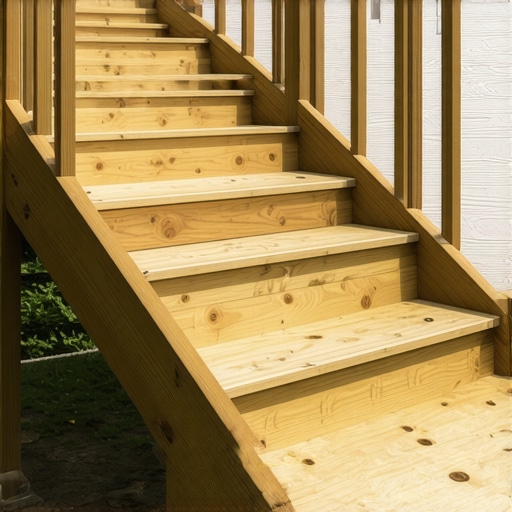
I’ll never forget the day I stepped onto a newly built deck, eager to enjoy my outdoor space. But as I approached the stairs, my excitement faded into confusion. The stairs felt strange—each step was higher than the last, and the entire assembly resembled a ladder more than a welcoming staircase. It was a lightbulb moment for me: a framing mistake had turned what should have been a smooth descent into an awkward, bouncy climb.
Why Your Deck Stairs Feel Like a Ladder and What’s Really Happening
Many DIYers and even pros overlook a critical framing detail when installing outdoor stairs. The problem often stems from incorrect stringer spacing, improper support, or quick fixes that seem harmless at first but lead to serious safety and aesthetic issues over time. When the framing isn’t solid, the entire staircase wobbles, squeaks, and oddly, feels more like climbing a ladder than walking down a gentle slope.
Is My Staircase Actually Worth Fixing or Just Cosmetic?
This question haunted me early on, especially because I made the mistake of rushing the framing process. I thought a quick fix and tighter screws would do the trick—but I was wrong. Studies show that improperly supported stairs can not only cause discomfort but also lead to dangerous collapses. So yes, fixing this framing flaw is essential for safety and long-term durability.
Before diving into solutions, consider whether your stairs are bouncy, creaking, or uneven. If you’ve faced these issues, you’re not alone. Many outdoor structures suffer from the same oversight, but the good news is, this mistake is fixable—and I’ll walk you through exactly how.
What We’ll Cover Today
In this post, I’ll share the key framing mistake that’s likely making your deck stairs feel unstable. We’ll explore common pitfalls, how to identify if you’re affected, and practical steps to ensure your stairs are safe and solid—so you can enjoy your outdoor oasis without worry. Curious if your stairs are in trouble? Keep reading, because the fix could be simpler than you think.
Assess the Damage and Gather Your Tools
Start by examining your stairs for signs of wobbling, creaking, or uneven steps. Take measurements of the stringers—those diagonal supports running from the deck frame to the stairs—and note any irregularities. Gather essential tools: a circular saw, reciprocating saw, level, measuring tape, carpenter’s square, and framing nails or screws. Remember, safety gear like gloves and eye protection is a must during this process.
Remove the Existing Stringers Carefully
Using the reciprocating saw, cut through the nails or screws securing the current stringers to the deck and staircase. If the stringers are heavily rotted or warped, remove them entirely. Be cautious to support the stairs temporarily with sawhorses or a helper to prevent sudden collapses. This is a crucial step, as damaged or improperly spaced stringers are often the root cause of instability.
Check and Correct the Spacing
A common mistake is incorrect stringer spacing—typically, placing supports too far apart leads to bouncy stairs. For most residential decks, support every 12-16 inches on center. Use a carpenter’s square and measuring tape to mark new attachment points that ensure even spacing. During a project I did, I realized my supports were spaced 18 inches apart, causing the wobble. After tightening support spacing to 14 inches, the stairs felt much sturdier and safer.
Set the Landing and Support Posts
Before attaching new stringers, ensure the landing is level. Use a laser level or a water level to verify. Install vertical support posts under the landing if needed, anchoring them securely into concrete or ground with proper footing. Proper support prevents sagging and maintains the overall integrity of your staircase.
Attach New Stringers Correctly
Cut new stringers from pressure-treated framing lumber, using a framing square to create accurate cuts. If you’re unsure, templates from a deck stairs calculator or a professional can help—these ensure the rise and run are consistent, reducing tripping hazards. Secure the top of each stringer to the deck frame with galvanized lags or bolts, ensuring tight, stable connections.
Fasten the bottom of the stringers to the stringer support or footing with galvanized brackets or anchors designed for outdoor use. Double-check your work with a level—every step should be perfectly plumb. Once attached, lay the stair treads across the stringers, securing each with corrosion-resistant fasteners, and check for uniformity.
Reinforce Critical Connections
To prevent future shifting, add blocking between stringers or diagonal braces for lateral stability. Think of these as the cross-braces of a ship—adding rigidity. For a cleaner look and more safety, consider installing a handrail system that complies with local building codes, especially if the stairs are high or exposed to heavy use. For detailed standards and tips, check out innovative outdoor stairs solutions.
Final Checks and Testing
With everything in place, gently test the stairs by applying pressure on each step and side to check for movement. Tighten any loose fasteners, and if the stairs wobble, revisit supporting brackets or add extra blocking. When all feels solid, walk up and down a few times to ensure stability. Remember, a correctly framed staircase isn’t just about safety—it’s about creating a welcoming, durable outdoor space that lasts for years. If you’re inspired to enhance your deck further, explore ideas at deck and staircase ideas.
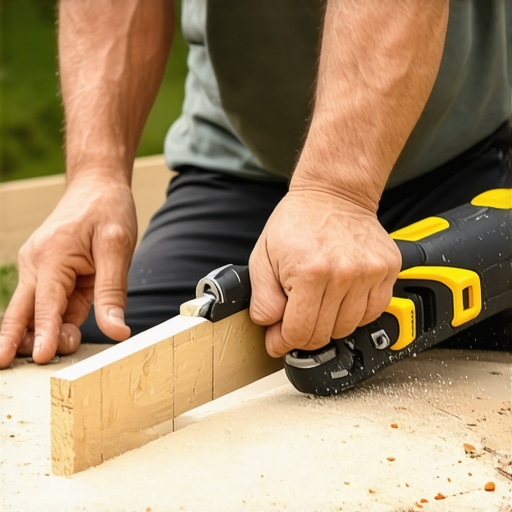 When it comes to outdoor living, many assume that choosing composite decking and properly building stairs is straightforward. But even seasoned DIYers often overlook subtle details that can dramatically impact durability and safety. Let’s challenge some common myths and dig into the nuances that can make or break your project.
Firstly, a frequent misconception is that all composite decking is created equal. Many believe that standard products, regardless of brand, will perform similarly over time. However, expert insights reveal that the composition of the core material—such as mineral-filled cores versus traditional plastic—can significantly influence resistance to staining, scratching, and expansion. As highlighted in industry reports, mineral core decks excel in high-traffic and poolside environments due to their enhanced stability.
One overlooked trap is the importance of proper support framing for stairs. I’ve seen countless projects where inadequate support or incorrect stringer spacing leads to bouncing, creaking, or even early failure. Common advice suggests supports every 16 inches, but advanced builders recommend spacing supports no more than 12 inches on center, especially for heavier loads or high-traffic stairs. This nuance, often dismissed as unnecessary, can prevent long-term wobbling.
<價>What sophisticated questions should I ask before building outdoor stairs to ensure safety and longevity?
That’s a crucial question because subtle framing errors—like misaligned stringers or insufficient lateral bracing—can cause leaning or sudden collapse. A deeper understanding of load distribution and lateral stability is essential. As noted in a recent expert guide, adding diagonal braces or blocking between stringers enhances lateral support, especially in windy or high-traffic areas. Awareness of these details can help prevent costly fixes down the line. You can learn more about innovative solutions for safe outdoor access at outdoor living innovations.
A common myth warns that sealing composite decking is unnecessary. While many believe composite is maintenance-free, neglecting cleaning and protective sealants can lead to mold, staining, and discoloration. Advanced users recommend applying specific cleaning regimens and occasionally sealing or treating the surface with products designed for composite materials. This approach preserves the aesthetic and extends the lifespan—saving money and effort over time.
Finally, it’s easy to underestimate the importance of drainage and proper flashing at the deck and stair junctions. Without correct detail, water can seep into supports, causing rot and structural decay. As referenced in professional standards, installing flashing and adequate drainage pathways is vital, especially in climates with heavy rainfall.
In conclusion, understanding these hidden nuances—from material composition to framing details and water management—elevates your project from basic to expert level. If you’re eager to transform your outdoor space with confidence, consult seasoned professionals who prioritize these critical details. Curious about how a skilled deck builder can turn your garden into a private oasis? Check out this guide for inspiration. And don’t forget—have you ever fallen into these traps? Let me know in the comments.
Investing in Precision: Tools That Make a Difference
When it comes to maintaining and scaling your outdoor living space, having the right tools is crucial. I personally rely on a high-quality cordless impact driver like the DeWalt DCF887 because it provides ample torque for fastening deck boards and tightening support brackets without causing damage. Its brushless motor ensures longevity, and the variable speed control allows for delicate adjustments when securing fragile composite planks. For measuring and ensuring exact alignments, I prefer a Klein laser level. It delivers quick, precise readings over large areas—vital when leveling decks or stairs, especially on uneven terrain.
Routine Checks to Keep Your Deck and Stairs Safe
Regular inspections extend the lifespan of your outdoor structures. I suggest inspecting for loose fasteners, warped supports, or signs of water infiltration every six months. Using a Moisture Meter helps detect hidden water damage in supporting posts or framing that might not be visible to the naked eye. Addressing small issues early prevents costly repairs later and ensures your stairs and deck remain safe for family gatherings and everyday use. Remember, preventative maintenance isn’t just about fixing problems—it’s about proactive preservation of your investment.
How Do I Maintain Composite Decking Over Time?
Cleaning is your first line of defense. I recommend using a deck-specific cleaner like Defender’s Stone & Masonry Cleaner or Vinegar diluted with water for a natural option. Avoid pressure washers at high settings, as they can damage the composite surface or cause de-lamination. Instead, a softer bristle brush combined with gentle cleaning solutions effectively removes stains and dirt. Periodic application of a UV-protectant sealant designed for composite surfaces, such as the recommended products, maintains color vibrancy and prevents fading, especially in exposed sunlight.
Scaling Your Outdoor Space Responsibly
As your project expands, consider upgrading support framing with galvanized steel brackets or adjustable post bases. These components help distribute weight evenly, reducing stress on supports and preventing sagging over the years. When adding new stairs or extending existing ones, precise measurements and support placement are vital. Incorporating modular support systems allows for easier adjustments and scalability within your outdoor design.
What about long-term results and future growth?
Looking ahead, I predict that innovations like smart deck monitoring systems—integrating sensors that track moisture, weight load, and structural stability—will become standard. These tools will alert homeowners before minor issues escalate, saving significant repair costs. Embracing such technology early can keep your outdoor living areas in top condition for years to come.
Finally, I encourage you to try implementing a monthly inspection routine using your laser level for quick realignment checks and your impact driver for tightening fasteners. Small steps now can prevent large headaches later, ensuring your outdoor stairs and decking remain safe, functional, and beautiful.
Ready to elevate your maintenance game? Visit our contact page for professional advice tailored to your space. Remember, a well-maintained deck isn’t just about safety; it’s about enjoying your outdoor sanctuary with confidence for years to come.
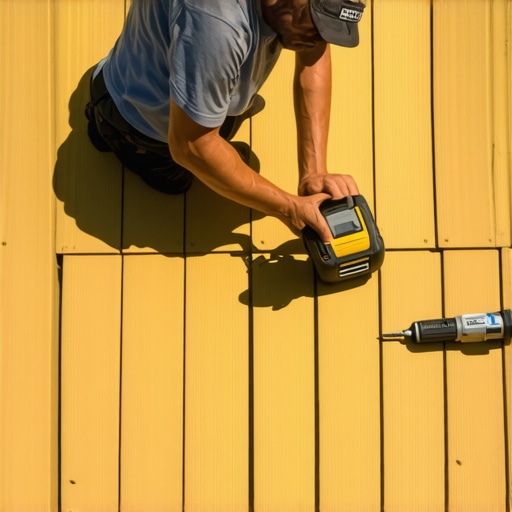
Image prompt: A homeowner inspecting their composite deck with a laser level and impact driver, in a well-maintained backyard setting, emphasizing precision tools for long-term care. Alt text: Homeowner checking deck level with modern tools for outdoor maintenance. Title: Precision Maintenance Tools for Outdoor Living.
.
What I Wish I Knew About Support Spacing Before Starting
The first major lesson I learned was that even a small oversight in stringer spacing can turn beautiful stairs into a wobbly nightmare. I always thought supporting every 16 inches was enough, but the hard truth is every support should be no more than 12 inches on center for maximum stability. This insight saved me from future headaches and could do the same for you.
Why Weak Connections Can Sneak Up on You
Secure fastening is vital. I underestimated how critical galvanized bolts and brackets are—quick screws just don’t cut it outdoors. Over time, I realized that solid, corrosion-resistant fasteners ensure your stairs stay firm, avoiding dangerous sagging or collapse. Trust me, investing in quality hardware is worth every penny.
How Lateral Stability Makes All the Difference
Adding diagonal braces and blocking between stringers seemed like overkill initially, but those cross-braces are the unsung heroes of staircase safety. They prevent lateral wobble and keep your stairs feeling rock-solid. This tip turned my project around, and I recommend it to anyone aiming for long-lasting safety.
Tools That Turn Challenges into Wins
My secret weapons? An impact driver like the DeWalt DCF887 and a laser level. These tools made aligning supports and securing fasteners so much easier and more precise. If you’re serious about durable outdoor stairs, equipping yourself with reliable tools transforms a frustrating process into a satisfying achievement.
What I Owe to Proper Drainage and Flashing
Neglecting water management almost cost me dearly. Ensuring proper flashing at the deck-stair junction and good drainage prevented rotting and decay. Learning this the hard way emphasized how crucial these details are, especially in climates with heavy rain. Proper water defense extends the life of your stairs and gives you peace of mind.
Optimize Your Outdoor Space with Expert Guidance
Remember, even the best DIY plans benefit from expert insights. If you’re inspired to elevate your outdoor living with safe, sturdy stairs and decks, seek advice from seasoned professionals who respect these crucial framing details. Curious about how a skilled deck builder can transform your backyard? Check out this guide for inspiration. And I’d love to hear—have you ever underestimated the support spacing or fastener strength in your outdoor projects? Share your experiences below!
Elevate Your Deck Experience: Tools and Maintenance Tips
To keep your outdoor stairs in top shape, I recommend using quality tools like a cordless impact driver to tighten fasteners securely, and a laser level for perfect alignment. Regular inspections every few months, including checking for loose fasteners or signs of rot, can save you from costly repairs and ensure safety. Proper cleaning and waterproofing also keep your composite decking and stairs looking new and sturdy for years to come. Want more insights on maintaining your outdoor sanctuary? Visit this resource for tips tailored to your outdoor upgrades.
Stay Confident, Build Safer Outdoors
Building or fixing outdoor stairs can seem daunting, but with attention to detail and the right tools, it’s achievable and rewarding. Every support, fastener, and brace you add nowadays pays dividends in safety and durability. So get out there, support your stairs properly, and enjoy your outdoor space worry-free. Ready to start your project? Reach out through our contact page—we’re here to help turn your backyard dreams into reality.