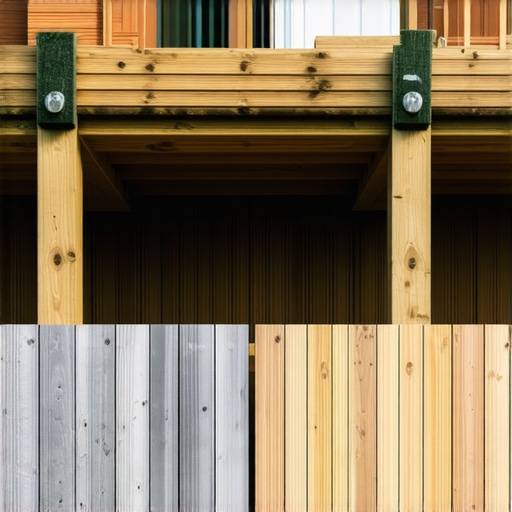
I vividly remember the first time I built a set of stairs for my outdoor deck. Everything looked great, but just a few months in, I noticed the surface boards warping and darkening far faster than I had expected. It was like watching my effort slowly rot away—literally. That’s when I had my lightbulb moment: pressure-treated wood, with all its durability for framing, simply isn’t suited for the surfaces we walk on every day.
>
Understanding the Difference: Framing vs. Surface Materials
In my early projects, I made a common mistake—using pressure-treated lumber for the deck’s surface, thinking it would withstand the elements as well as it supports the structure. Unfortunately, I learned the hard way that while pressure-treated wood excels at resisting rot and pests underneath, it doesn’t perform as well in high-traffic areas exposed to sunlight and moisture fluctuations. Research shows that surface boards experience more wear and tear, making them more prone to splinters, cracking, and color fading over time. That’s why I now reserve pressure-treated wood for framing and support structures, where it acts as a sturdy backbone, and choose specialized decking materials for the surface.
Have you faced similar frustrations with deck surfaces deteriorating sooner than expected? If so, you’re not alone. My experience taught me to prioritize long-term durability by selecting the right materials for each part of the deck.
>
Will the Barking Dog Still Be There When You Return?
One mistake I made early on was neglecting to consider the environmental exposure of surface boards. I assumed pressure-treated lumber would be enough, but then I noticed the boards stained and warped after just a couple of seasons. This highlights that choosing the wrong material isn’t just about aesthetics; it’s about safety, comfort, and saving money in the long run. Experts emphasize that surface materials need to be more resistant to UV damage, moisture, and foot traffic, which is why I always recommend exploring options like composite decking or hardwoods for visible surfaces. For more tips on creating a safe and stylish outdoor space, check out our guide on seamless transitions and stairs.
Now that I’ve shared how my mistake helped me understand the importance of material selection, let’s dive into the practical steps to ensure your outdoor project lasts for years—and looks great the whole time.
Select the Right Materials for Every Part of Your Deck
Start by choosing pressure-treated lumber for the structural framing because of its resistance to rot and pests. For the surface boards, opt for composite decking or hardwoods like Ipe that stand up to foot traffic and UV exposure. I remember the first time I did this; I used cedar for the surface, and it warped after just one season, illustrating why material choice is critical. To prevent warping and splintering, measure and cut your boards precisely, leaving gaps for expansion—about 1/8 inch for composites. 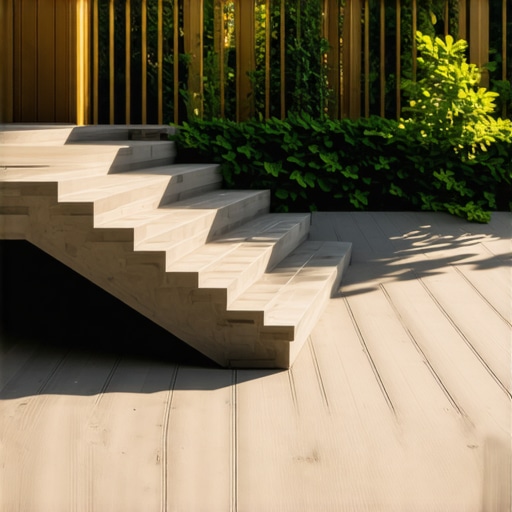
Frame the Deck with Precision
Construct your frame using double joists at every point where heavy loads, like hot tubs, will sit, ensuring stability. Use galvanized or stainless-steel fasteners to resist corrosion, especially if the deck faces moisture or salt air. When I built my last deck, I double-joisted the perimeter to support a large seating area, preventing bounce and unevenness. Always verify the frame’s squareness with a 3-4-5 triangle method and check level often with a spirit level. For more expert insights, see our deck builder tips.
Build Safe and Stable Stairs
Start by calculating the rise and run of your stairs, aiming for a comfortable 7-8 inches of rise and ten inches of run per step. Use stringers cut from 2x12s, supported at regular intervals—every 4 feet max—to avoid bounce. For exact cuts, employ a framing square and a jigsaw for intricate angles. I once ended up with uneven stringers because I didn’t re-measure after initial cuts; rechecking saved me hours of fixwork. Incorporate sturdy handrails and balusters, ensuring they meet safety codes. For a detailed walk-through, check out this guide on outdoor stairs.
Level and Secure Every Step
Ensuring the staircase is level, especially on uneven terrain, can make or break the user experience. Use shims or adjustable deck footings to achieve a perfectly flat surface. Double-check each step with a level and make adjustments as needed before fastening. I once built stairs on a sloped yard, and without shimming, the steps would’ve felt unnatural. Fasten stringers securely to the deck frame with metal brackets and to the ground with stakes or concrete footings if necessary. Proper drainage around the bottom of the stairs prevents rot, so install gravel or moisture barriers beneath the supports. For best practices, visit our detailed stair construction article.
Finish for Longevity and Appearance
Apply a high-quality, breathable stain or sealant designed for your chosen material—a clear sealant for hardwoods or a tinted stain for composite surfaces—to protect against moisture, UV, and staining. Regular maintenance, like cleaning and re-sealing every 2-3 years, extends the life of your deck and stairs. I once neglected sealing, and within two years, I saw significant discoloration and warping. To keep your outdoor space looking its best, follow a scheduled maintenance routine and consult our maintenance tips.
When it comes to building outdoor stairs and decks, many enthusiasts and even experienced DIYers often fall prey to misconceptions that can undermine the durability and safety of their projects. Let’s dig deeper into some overlooked nuances that can make or break your outdoor living space.
Why does the popular advice on decking materials sometimes mislead experts?
Common wisdom suggests that pressure-treated lumber is universally suitable for all outdoor applications. However, pressure-treated wood, while excellent for framing and support, often pales in comparison when used for visible surface boards exposed to foot traffic and UV rays. Studies indicate that composite decking and hardwoods like Ipe outperform pressure-treated options in longevity and aesthetics in such conditions. Relying solely on traditional advice without understanding these nuances can lead to costly mistakes.
#IMAGE_PLACEHOLDER_C#
Another misconception revolves around the installation techniques for stairs. Many believe that standard stringer cuts suffice, but advanced fastening methods, such as using hidden fasteners and double stringers at critical points, significantly improve stability and safety. Neglecting these details can result in bouncy, squeaky stairs that compromise safety and comfort. For guidance on innovative stair solutions, visit our stair safety tips.
Are composite materials truly low-maintenance, or is there more beneath the surface?
It’s a widespread myth that composite decking requires zero upkeep. While they are generally easier to care for than wood, composites can suffer from dye lot mismatches, surface scratching, and mold buildup if not properly maintained. Regular cleaning with gentle solutions, like avoiding harsh chemicals, and understanding the specific characteristics of your composite line can extend its lifespan. External experts suggest periodic inspections and prompt repairs to prevent small issues from escalating, as outlined in our maintenance guide.
Intriguingly, many overlook the importance of proper drainage and framing considerations tailored to your specific environment. For instance, ensuring your deck’s slope and support footings accommodate local rainfall patterns can prevent long-term rot and structural failure. Neglecting this nuance is a common mistake even seasoned builders make, leading to costly repairs down the line. To understand more advanced techniques, examine flashing and waterproofing strategies.
Another sophisticated aspect often missed involves choosing the right fasteners and sealants. Stainless steel screws resist corrosion better in coastal environments, preventing rust streaks and fastener failures. Moreover, applying high-quality, breathable sealants tailored for your decking material can inhibit moisture ingress while allowing wood to breathe, reducing warping and splitting. External research, such as the study published in the *Journal of Construction and Building Materials*, supports that high-grade sealing and corrosion-resistant fasteners substantially enhance project longevity.
So, what about the finer details—are you paying attention to them? Poor installation practices, like incorrect joist spacing or inadequate support for heavy loads, can cause premature deck failure despite using premium materials. Being aware of these advanced nuances ensures your outdoor space remains safe, functional, and visually appealing for years. If you’re ready to elevate your outdoor projects further, consider exploring our tips on seamless transitions and stair integration.
Have you ever fallen into this trap? Let me know in the comments and share your experiences or questions—let’s turn your outdoor living dreams into enduring reality.
Keep Your Deck in Top Shape with the Right Tools
Maintaining an outdoor deck requires precision and reliable equipment. I personally swear by a cordless oscillating multi-tool for detailed scraping and shaping, because it’s lightweight and offers precision that power sanders can’t match in tight corners. For cleaning, I prefer a pressure washer with adjustable pressure settings, typically around 1,300 PSI, to remove dirt without damaging composite surfaces. Using a soft-bristle brush attachment helps me target stubborn grime without scratching the finish.
How do I maintain outdoor stairs over time?
One effective method I use is applying a high-quality, breathable sealant every two years, which significantly extends the lifespan of the wood and prevents moisture infiltration. Regularly inspecting fasteners and replacing corroded screws with stainless steel ones also prevents structural issues. In the future, I predict that smart, sensor-enabled maintenance systems—perhaps integrated with IoT technology—will become standard, alerting homeowners when areas need attention before small problems escalate.
Essential Methods for Long-Lasting Outdoor Living
Investing in proper drainage solutions like strategically installed flashing and waterproof membranes is crucial. I’ve learned that a small upfront investment in these systems, based on expert advice from technical documentation like the National Institute of Standards and Technology, pays dividends over time by preventing rot and decay. Using a moisture meter during routine inspections helps me catch hidden issues early. Additionally, employing a laser level during construction ensures accurate leveling, which minimizes uneven wear and water pooling. For example, I meticulously checked my deck’s slope, which now effectively drains water away and reduces maintenance costs.
What tools help scale your outdoor projects efficiently?
When expanding my outdoor living space, I utilize modular design software such as SketchUp Pro, which allows me to visualize and plan complex layouts with exact measurements before cutting any material. This software has become indispensable for large projects, streamlining the process from design to execution. I recommend trying out advanced tools like this for your next upgrade; they save time, reduce errors, and elevate the overall quality of your space.
Managing materials for longevity and aesthetics
Choosing the right fasteners is essential. I avoid galvanized screws in coastal environments, opting instead for marine-grade stainless steel, which resists corrosion much longer and maintains the deck’s sleek appearance. Additionally, periodically reapplying sealants or stains acts as a protective barrier, preserving color and preventing splintering. Remember, maintenance isn’t just about repairs—it’s about proactive care that extends your deck’s beauty and functionality.
Looking ahead, the trend is smart maintenance systems
As technology advances, expect innovations like Bluetooth-enabled moisture sensors that notify you via smartphone when a section needs attention. This preemptive approach allows for timely interventions, saving money and preserving structural integrity. Incorporate these tools into your routine, and you’ll be ahead of most DIY enthusiasts. Try integrating a moisture meter or upgrading your fasteners to corrosion-resistant types—small steps that yield significant long-term benefits. For ongoing updates on outdoor living innovations, follow our dedicated guides and stay informed about emerging trends.
The Hidden Truth About Material Choices
I learned that not all pressure-treated woods are created equal—what’s marketed as durable isn’t always suitable for high-traffic, exposed surfaces. Opting for composite or hardwoods for the deck surface rather than relying solely on pressure-treated lumber for everything was a game-changer for me. Remember, the details matter, and selecting the right materials based on specific deck zones can save you years of frustration.
Stair Mastery: Small Tweaks, Big Differences
One pivotal lesson was rethinking my stair support system. Instead of standard cuts, using double stringers with hidden fasteners transformed my stairs from a safety concern into a highlight of the outdoor space. That tiny investment in proper framing and support has provided peace of mind and enhanced aesthetic appeal—something I wish I knew from the start.
Sealing and Maintenance: Beyond the Basics
I found that regular sealing with high-quality, breathable sealants keeps my deck looking fresh and prevents warping. Incorporating moisture meters and scheduling proactive maintenance routines now means my outdoor space stays inviting, without sudden surprises. It’s a small effort that yields long-term payoffs, and I encourage every DIYer to embrace a maintenance schedule early.
Advances and Hiccups: The Tech End of Deck Building
Integrating simple tools like laser levels and modular design software like SketchUp Pro customized my workflow, minimizing errors. Simultaneously, avoiding common pitfalls—like ignoring drainage considerations or fastener corrosion—has prevented potential disasters. Keeping up with innovative products and technical insights, such as waterproof flashing strategies, equips you to build more resilient decks.
Smart Prep That Pays Off
Investing in proper drainage solutions and supporting tools like moisture meters has taught me that small up-front costs can prevent costly repairs later. Paying attention to details like joist spacing, support footing slopes, and using corrosion-resistant fasteners in coastal areas ensures longevity. Each of these lessons reinforces that meticulous planning and ongoing maintenance form the backbone of any successful outdoor project.
Insider Wisdom for Outdoor Living Enthusiasts
- Material Misconceptions: I once used cedar on the surface and watched it warp within a season—costly and avoidable. The lesson: always match materials to exposure levels.
- Installation Secrets: Hidden fasteners and double joists might take more effort upfront, but they significantly improve safety and durability, especially under heavy loads.
- Maintenance Myths: Believe me—composite decking isn’t maintenance-free. Regular cleaning and inspections extend its life far beyond initial expectations.
Resources That Truly Help
- Our expert deck builder tips have been invaluable for understanding the nuances of framing and finishing—highly recommended for all levels.
- Creating seamless stair transitions offers practical insights on safety and aesthetics that I wish I had known earlier.
- Transform your outdoor living with composite ideas has expanded my design horizon, proving that material choice directly impacts longevity and style.
Your Next Step in Outdoor Excellence
Building a deck or stairs isn’t just about following steps; it’s about cultivating an attitude of precision and care. Whether you’re a beginner or seasoned DIYer, embracing these lessons and tools will elevate your outdoor living game. Don’t wait to turn your outdoor dreams into a durable, beautiful reality—start planning with knowledge and confidence today.
What’s been your biggest challenge in building or maintaining your outdoor space? Share below—I’d love to hear your stories and help you overcome hurdles on your journey!
,