
I remember the moment clearly. I was lounging on my deck, trying to unwind with a good book, when I caught myself leaning back to get a better view of the backyard. And that’s when it hit me—my deck railing was just high enough to obscure my line of sight. Frustrating, right? It felt like I’d sacrificed an unobstructed view for safety, but in reality, I was missing out on the very thing I wanted from my outdoor space. That lightbulb moment led me on a quest to find the ideal railing height—one that keeps everyone safe without turning your deck into a prison for the view.
Why Railing Height Matters More Than You Think
Your deck railing isn’t just a safety feature; it’s a visual boundary that frames your outdoor experience. If it’s too tall, it blocks your line of sight, making the space feel confined rather than open. Too short, and safety becomes a concern—especially if you have kids or frequent guests. Striking that perfect balance is trickier than it sounds. Surprisingly, the standard railing height of 36 to 42 inches isn’t just a random number; it’s backed by building codes designed to prevent falls while maintaining sight lines. According to the expert insights of professional deck builders, choosing the right height is crucial for both safety and aesthetics.
One common mistake I made early on was assuming that a higher railing always meant better safety. I didn’t realize that increasing height too much can actually hinder the overall vibe and openness of your deck. A shallow mistake, perhaps, but one that can ruin your outdoor experience. I’ve learned that tools like custom composite decking ideas and tailored railing designs can help you craft a space that’s both secure and viewsome.
Are you tired of feeling like your outdoor oasis is closed off? Have you faced the dilemma of balancing safety with a clear view? You’re not alone. Many homeowners struggle with this, but with a bit of knowledge, you can get it just right. In the next sections, I’ll share practical tips and insights from my own experience on how to achieve that perfect railing height that keeps your view open and your family safe. Let’s dive into the details that can transform your deck from functional to fabulous.
Assess Local Building Codes and Requirements
Start by researching your local building codes to determine the minimum and maximum railing heights allowed in your area. These standards are designed to ensure safety while maintaining visual appeal. During my initial project, I overlooked this step, which led to rework and delays. By understanding the regulations upfront, you prevent costly mistakes and ensure your deck meets legal safety benchmarks.
Measure Your Deck’s Dimensions Precisely
Use a reliable tape measure to determine the exact height from the deck floor to the top of where the railing will sit. Remember to account for the intended thickness of your railing materials. In my case, I initially guessed the height, which resulted in a railing too high, obstructing my view. Precise measurements help in customizing railing height to suit your specific deck structure and personal preferences.
Decide on Your Ideal Height Based on Function and Style
Typically, a railing height of 36 to 42 inches suits most outdoor decks. Think of it as customizing a suit: it must be comfortable yet compliant. I experimented with a 36-inch height, but found it too low for safety, especially with kids around. After adjusting to 42 inches, I achieved a balance between safety and an open view. Choosing the right height is about understanding how your deck will be used and visualizing the space.
Use a Level and Marking Tools for Accuracy
Securely set up a level across your deck’s edge and mark the desired railing height with painter’s tape or a pencil. During my installation, I used a laser level for better accuracy, which made the difference between a crooked and a perfectly level railing. This step ensures the railing is consistent throughout, preventing an unsightly tilt that could compromise safety and aesthetic harmony.
Plan for Post Placement and Support
Consider where your posts will go, typically at the corners and along the midpoints. The spacing influences the stability and compliance of your railing. During my project, I initially placed posts too far apart, causing wobbling. Consulting expert deck builder tips helped me optimize support placement, ensuring durability without unnecessary clutter.
Choose Railing Materials and Design
Select durable, weather-resistant materials that complement your deck. Composite options like those discussed in composite decking trends 2025 are popular for their low maintenance and longevity. I opted for aluminum railings, inspired by industry insights, which provided a sleek look and minimal upkeep.
Install the Railing and Verify Height
Follow the manufacturer’s instructions to assemble the railing, securing posts firmly to the deck structure. After installation, double-check the height at multiple points to confirm consistency. When I installed my rails, I used a tape measure at several spots, which helped me spot slight deviations and correct them before finalizing. This attention to detail ensures safety and an unobstructed view, just like I envisioned.
Evaluate and Adjust as Needed
Step back and assess whether the railing height provides safety without sacrificing sightlines. If adjustments are necessary, modify support brackets or replace sections accordingly. In my experience, taking a few moments to review and tweak the installation saved me from future issues and improved the overall look of the finished deck. Remember, this is your personal space—make it both safe and visually appealing.
Many homeowners and DIY enthusiasts operate under common misconceptions when it comes to outdoor living spaces, stairs, composite decking, and deck builders. Let’s dig deeper into these nuances that often get overlooked, risking safety, aesthetic appeal, and longevity of your investment. For instance, a prevalent myth is that choosing the tallest possible railing maximizes safety. In reality, excessively high railings can obstruct views and create a cramped feeling, diminishing the outdoor experience. Building codes typically recommend 36 to 42 inches for a reason—balancing safety with visibility. Overlooking this can lead to non-compliance or the need for costly modifications later.
Another misconception centers around composite decking: many assume all composite boards are created equal. However, the choice of core materials, UV resistance, and fastening systems significantly impacts durability. Experts emphasize selecting mineral core composites for poolside or high-moisture areas, as they resist warping and staining better than traditional options. Not paying attention to these details can result in premature wear or unsightly cupping, which are costly to repair.
When it comes to stairs, a common ‘oops’ is neglecting proper rise and run calculations. Building stairs without precise measurements can lead to uneven steps, creating tripping hazards and discomfort. Advanced DIYers should consider consulting specialized guides or tools to ensure compliance and safety. Similarly, many underestimate the importance of seamless transitions between stairs and decking. Fine-tuning this connection not only enhances safety but also elevates aesthetic cohesion.
Now, let’s confront a more subtle yet critical point: the role of the deck builder. Selecting an inexperienced contractor might save money upfront but can cost you dearly down the line. Skilled deck builders possess not only technical expertise but also an eye for nuanced details like proper flashing, load support, and ADA-compliant railings. A hasty decision here can lead to structural failures or code violations, which are expensive to rectify. Commercial studies, such as those published in the industry insights, underscore the value of hiring professionals for lasting results.
What about the pitfalls of choosing the wrong fastening systems? Many get tempted by cheap nails or staples, unaware that corrosion-resistant stainless steel or hidden fasteners significantly extend the lifespan of your deck. Subpar fasteners might cause boards to loosen or decay prematurely. In high-salt environments, this mistake can accelerate deterioration, emphasizing the importance of material knowledge.
Finally, an overlooked aspect is the importance of proper drainage and ventilation. Failing to plan these can trap moisture, leading to wood rot and mold, ultimately compromising safety. Expert deck builders incorporate advanced techniques like proper flashing and venting to ensure longevity. Skipping this step can turn a beautiful outdoor space into a nightmare of maintenance issues.
In conclusion, understanding these hidden nuances—like proper railing height, composite material selection, stair design precision, and contractor expertise—empowers you to make informed decisions. Doing so helps avoid costly mistakes and creates a space that is safe, stylish, and durable. Do you think you’ve fallen prey to any of these misconceptions? Share your experience in the comments and let’s keep the conversation going.Maintaining a beautiful, durable outdoor living space requires more than just good materials—you need the right tools and methods to ensure longevity and safety over time. As I’ve learned from years of hands-on experience, investing in quality equipment and mastering specific techniques can make all the difference in keeping your deck and stairs in top shape. One essential tool I personally swear by is a high-precision digital laser level. It provides unprecedented accuracy when setting railing heights and aligning stair strings, preventing crooked lines that can compromise safety and aesthetics. Unlike traditional bubble levels, laser levels quickly cover larger sections of your deck, saving time and reducing errors, which is crucial for long-term durability.
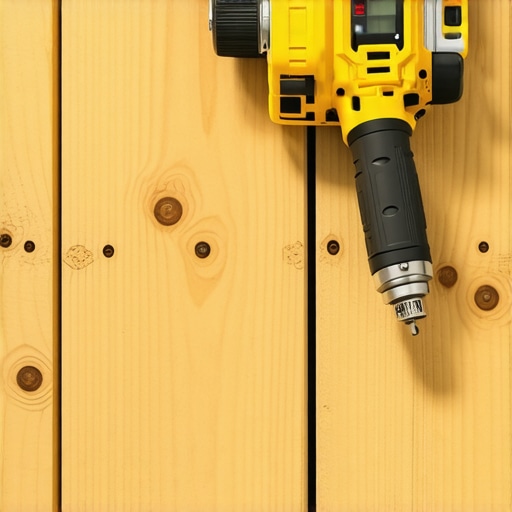
Another must-have is a cordless impact driver fitted with corrosion-resistant fastener bits. Given that decks are exposed to the elements, using stainless steel or coated fasteners minimizes rust and staining, extending your deck’s lifespan. I prefer impact drivers over traditional drills because they deliver more torque with less strain, making assembly and adjustments more efficient. Over the years, I’ve seen many DIYers struggle with loosening or stripping fasteners; impact drivers solve this problem effectively.
For routine maintenance, I recommend a high-pressure washer with adjustable nozzles. It’s excellent for removing dirt, moss, and algae without damaging composite surfaces if used carefully. I especially rely on pressure washers with turbo nozzles for quick cleaning of large areas, but I always keep the pressure below 1,500 psi to avoid surface damage, according to industry best practices. Proper cleaning maintains the aesthetic appeal and prevents the buildup of moisture that can cause rot or warping.
When it comes to choosing maintenance products, I switch to eco-friendly deck cleaners that contain biodegradable surfactants. They effectively remove stains and dirt while ensuring safety for plants and pets—important if your outdoor space is well-loved. In my experience, using harsh chemicals can deteriorate the surface over time, so I prefer natural formulas that still deliver deep cleaning.
Looking ahead, the trend is shifting toward smart maintenance solutions like sensor-based moisture monitors. These devices can detect areas prone to rot or mold early on, allowing targeted interventions before deterioration becomes visible or costly. Integrating technology into your maintenance routine could revolutionize how we care for outdoor decks in the future.
How do I maintain outdoor decks and stairs over time? Regular inspections are vital—look for loose or rusted fasteners, signs of warping or rot, and surface damage. Reapplying sealants or protective coatings annually adds an extra layer of defense, particularly on composite and wood surfaces. Using advanced tools like a laser level for alignment and impact drivers for fastening ensures that your structure remains safe and visually appealing for years.
Don’t forget the importance of good planning when addressing transitional areas like stairs and railings. For example, integrating a power scribe tool can help you precisely fit boards around uneven surfaces or obstacles, reducing waste and enhancing the overall finish. I highly recommend trying this technique; it’s a game-changer for achieving professional results without extra expense.
For ongoing projects, consulting expert resources like industry insights can provide guidance tailored to specific materials and environments. For instance, considering future foot traffic or weather conditions can influence your choice of fasteners, coatings, and cleaning schedules. Embracing these detailed methods ensures your investment keeps paying off long-term, allowing you to enjoy your outdoor space worry-free. Explore more about elevating your space with expert tips by visiting this guide on composite decking ideas and see how advanced tools and techniques can elevate your project.
The Hardest Lesson I Learned About outdoor living,stairs,composite decking,deck builder
One of the most profound lessons I discovered was that obsessing over the perfect railing height can sometimes overshadow the importance of seamless integration. I once spent hours debating between 36 and 42 inches, only to realize that the real key is tailoring the height to your specific deck layout and personal comfort. Embracing flexibility and trusting your measurements without overthink has made my outdoor spaces much more enjoyable.
The Myths That Prevent Us From Building Better Decks
Another misconception I encountered was the belief that composite decking materials are entirely maintenance-free. While these materials are low-maintenance, understanding the nuances—like cleaning methods and environmental susceptibilities—has helped me extend their lifespan. Recognizing and dispelling such myths allows us to make informed choices that truly enhance our outdoor living experience.
Trust the Experts, Then Make It Your Own
Initially, I hesitated to hire a professional deck builder, fearing it would be costly. However, I quickly learned that consulting industry insights and professional tips can save you money in the long run by avoiding costly errors. Combining expert advice with your personal touch results in a deck that’s both structurally sound and uniquely yours.
Innovate Beyond the Conventional
Finally, I discovered how incorporating smart design elements—like concealed lighting and seamless transitions—can elevate your space. Small adjustments, informed by resources like custom composite decking ideas, can transform a simple outdoor deck into an inviting retreat. Thinking creatively and utilizing available resources opens limitless possibilities.
My Essential Toolkit for maintaining outdoor living spaces
Over the years, I’ve come to trust tools like a high-precision laser level for accurate measurements, impact drivers with corrosion-resistant fasteners, and eco-friendly deck cleaners. These items have been game-changers, helping me ensure safety, durability, and beauty in my outdoor projects. Investing in quality tools not only simplifies the process but also guarantees lasting results. For tips on equipment and techniques, consider exploring comprehensive guides like this resource on composite decking trends 2025.
Your Turn to Elevate outdoor living,stairs,composite decking,deck builder
Armed with these personal insights and trusted resources, you’re well on your way to creating a deck that combines safety, style, and functionality. Remember, each project brings its own surprises, but embracing the learning process is what turns a good deck into an exceptional one. Start planning your next step today and turn your outdoor space into the haven you’ve always envisioned.