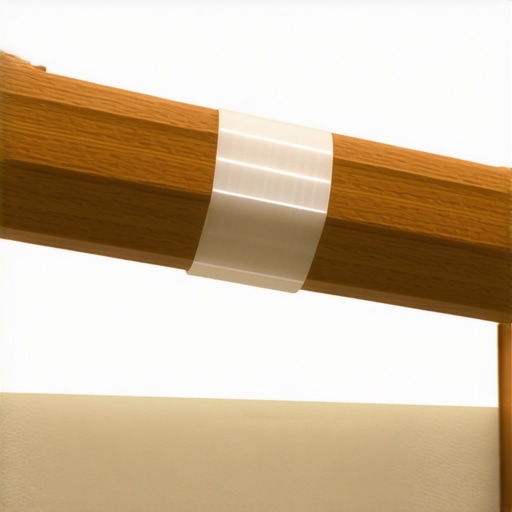
Imagine spending thousands on your dream deck, only to see it start falling apart after just a few seasons. I remember the day I realized my outdoor oasis was rapidly aging—joist rot, squeaky boards, and costly repairs. It was a lightbulb moment when I stumbled upon a simple yet powerful trick: applying joist tape. As someone passionate about outdoor living, I can tell you this little secret has transformed my deck’s lifespan.
Protect Your Frame Before It’s Too Late
Many deck builders overlook this small detail, and it’s often the first step toward costly deterioration. Joist tape acts as a barrier against moisture, preventing wood rot and mold that can silently ruin your structure over time. And considering the average lifespan of untreated joists can be cut in half by water damage, it’s a game-changer. My own experience taught me that a bit of tape is a small investment compared to the hundreds in repairs later.
Will This Really Make a Difference?
I’ve made my fair share of mistakes early on—trust me, I once neglected to seal the ends of my joists, thinking paint would suffice. That was a costly lesson. The truth is, water finds its way in, especially at unprotected cut edges, accelerating decay. It’s surprising how many people ignore this step, but effective protection can add years to your deck’s life. If you’re curious about how to choose the right materials or want to learn more about professional deck construction, check out the benefits of teaming up with pros.
This simple measure warrants your attention, especially if you’re looking to maintain a beautiful, durable outdoor space without frequent repairs. Next up, I’ll walk you through step-by-step how to apply joist tape effectively, so your deck can stand the test of time and weather. Ready to give your deck the protection it deserves?
Apply the Tape Like a Pro
First, gather high-quality, UV-resistant joist tape designed for outdoor wood protection. Measure each joist end accurately and cut the tape to slightly overlap the edges to ensure complete coverage. When beginning, clean the joist surface thoroughly—remove dust, debris, and any loose wood fibers—to guarantee proper adhesion. Peel back a small section of the backing and carefully align the tape with the edge of the joist, pressing firmly as you go along to eliminate air pockets. Use a roller or your hand to smooth out bubbles, especially at corners and edges. Remember, a tight seal prevents moisture ingress, extending the life of your deck.
Don’t Skip the Cut Ends
Focus on sealing the cut ends of your joists, as these are the primary entry points for water. Use a brush or spray to coat the ends with a waterproof sealant prior to applying the tape, creating a double layer of protection. This extra step is crucial because unsealed cut edges are often overlooked but act like open doors for moisture.
Secure and Inspect
Once applied, walk around your deck and press along the tape edges again to ensure thorough sealing. Check for any gaps or wrinkles and reseal if necessary. Over time, edges may lift due to weather fluctuations; reapply or add additional tape strips to maintain effectiveness. Think of this process like installing a weather-resistant coat—every layer adds to the durability.
The Messy Moment That Taught Me
I recall one weekend when I decided to re-tape my entire deck without proper prep. I rushed through cleaning and didn’t press the tape down firmly enough. A few months later, I noticed water staining along the joist ends. That experience taught me the importance of precision and patience. Now, I dedicate time to thoroughly preparing and sealing each joist, which has significantly reduced water-related issues in my outdoor space.
Expert Tips for Long-Lasting Results
For optimal protection, choose tapes with adhesive formulas rated for extended UV exposure and environmental resistance. When applying, work in cooler, dry conditions to ensure better adhesion. Consult professional advice if your deck faces complex challenges or if you’re unsure about materials. Proper application not only shields your deck from water damage but also saves costly repairs in the long run.
While many believe that hiring a professional deck builder is just about assembling quality materials, the real expertise lies in understanding subtle nuances that can make or break your project. For instance, common myths such as “all composite decking is maintenance-free” overlook the importance of proper installation and material selection, which significantly impact longevity. An advanced mistake many fall into is neglecting drainage considerations around stairs and landings, leading to water pooling and premature decay.
How can understanding environmental factors elevate your outdoor design?
Experts like those featured in professional deck-building insights emphasize that site-specific conditions, like soil stability and prevailing winds, should inform your choices in materials and structure. For example, blending innovative stair solutions that incorporate safer, slip-resistant treads not only enhances safety but also aesthetics, as discussed in modern staircase design tips. Overlooking these advanced considerations can lead to costly repairs and compromised outdoor spaces. Moreover, many underestimate the significance of proper fastening systems; using nails instead of stainless steel screws in coastal areas invites corrosion and structural failure. This nuance underscores the importance of selecting fasteners tailored to your environment, a topic well-covered in industry advice. Don’t fall prey to the misconception that all connectors are equal—investing in high-quality hardware pays dividends over the lifespan of your deck. Remember, the devil is in the details, and meticulous attention to these finer points can turn a standard outdoor space into an enduring masterpiece. Have you ever fallen into this trap? Let me know in the comments or reach out through contact us for tailored guidance on elevating your outdoor project.Maintaining your outdoor space requires more than just occasional cleaning; it hinges on using the right tools and methods to ensure longevity and beauty. Personally, I rely on a combination of high-quality equipment and strategic practices to keep my deck functioning flawlessly year after year.
Choosing the Right Power Tools for Deck Maintenance
For cleaning, I swear by a cordless electric pressure washer with adjustable PSI settings. The versatility allows me to delicately clean composite surfaces without risking damage, while still blasting away dirt and grime. My goto is the Karcher K5 Power Control, which I picked because of its variable pressure feature, ensuring I can tailor the force precisely to the material I’m working on.
When it comes to sealing or applying protective coatings, I prefer a cordless sprayer like the Wagner Control Spray 2000. It provides a smooth, even application, crucial for sealing joints, deck boards, or stairs. I’ve found that inconsistent coating can lead to premature wear, so precision is key.
Harnessing Software for Long-Term Maintenance Planning
Staying ahead of issues means scheduling regular inspections and upkeep. I recommend using project management tools like Trello or Asana to set recurring reminders for tasks such as resealing, tightening fasteners, or inspecting drainage around stairs. These digital solutions keep my maintenance routine organized and ensure I don’t overlook critical steps.
For detailed checks, I rely on specialized inspection apps that allow me to record and track problem spots over time. This preemptive approach minimizes surprises and extends your deck’s service life, especially when combined with professional advice available at this resource.
Future trends indicate the integration of IoT sensors into outdoor structures, providing real-time data on moisture levels and structural integrity. While still emerging, these innovations will make maintenance smarter and more predictive, reducing costly repairs in the long term.
How do I keep my deck working without constant fuss?
Developing a systematic approach—using the right tools, software, and routine checks—is key. In my experience, investing in durable equipment and leveraging digital planning converts a tedious chore into a manageable, even enjoyable, process. Take, for instance, incorporating waterproof sensors into critical joints to monitor moisture intrusion; this proactive step can save hundreds of dollars down the line. For more insights, exploring expert tips at this link can catapult your maintenance game.
Now, I challenge you to try out a high-precision power washer on your deck—notice how it makes a difference compared to a garden hose alone. Testing this small upgrade can revolutionize your cleaning routine and significantly extend your deck’s lifespan.
The Lesson That Changed My Perspective on Outdoor Durability
One of the biggest realizations I had was how overlooked details like proper sealant and material choices dramatically influence a deck’s lifespan. I used to believe that investing in premium materials alone was enough, but I learned that meticulous installation and understanding environmental factors can make all the difference. For example, sealing cut ends with high-quality joist tape and waterproof sealant not only saves money but preserves the beauty of your outdoor space for years to come. This lightbulb moment reminded me that every small step in the process contributes to lasting outdoor enjoyment.
Tools That Became Game Changers in My Routine
Over time, I discovered that having the right arsenal of tools exponentially improved my work. A cordless electric pressure washer like the Karcher K5 makes cleaning forgettable grime a quick task, preventing damage from harsh scrubbing. For applying protective coatings, a cordless sprayer such as the Wagner Control Spray 2000 ensures an even, efficient finish that extends deck life. Combining these with project management apps like Trello helps me schedule routine inspections, keeping my deck in top shape without last-minute surprises. These tools have become essential in maintaining durability and beauty in outdoor living spaces.
Elevating Your Outdoor Space Beyond the Basics
One thing I wish I had focused on earlier was integrating site-specific environmental considerations, like proper drainage and wind-resistant structures. Many new deck designs incorporate innovative stair solutions and composite decking trends from 2025 outlooks, which not only enhance safety but elevate aesthetics. Understanding the subtleties of fastener selection—opting for stainless steel in coastal areas, for instance—can prevent corrosion that undermines structural integrity. By paying attention to these nuances, you can turn a basic outdoor project into a true masterpiece, blending safety, style, and longevity seamlessly.
Your Next Step Toward a Lasting Outdoor Escape
Armed with these insights, you’re now ready to transform your outdoor living space into a durable sanctuary. Taking the time to apply each detail—be it sealing cut edges, choosing the right tools, or considering environmental factors—will ensure your deck remains a source of pride for years. Remember, the difference lies in the details, and your proactive efforts will pay off in beauty and resilience. Don’t wait for problems to arise—start implementing these strategies today, and enjoy your outdoor haven worry-free. What part of deck maintenance has been most challenging for you? Share your experiences below or reach out through our contact page to get personalized advice.