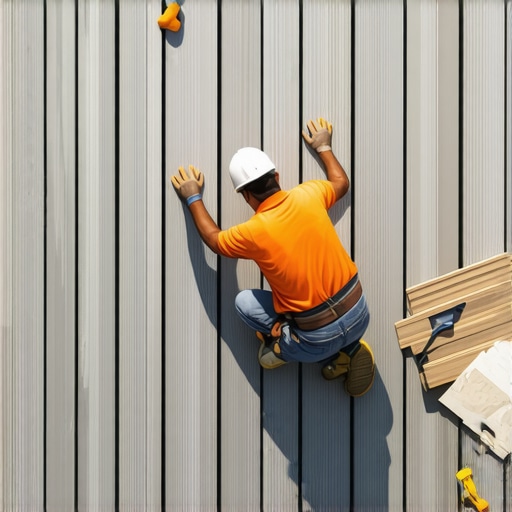
Last summer, I stepped onto my cracked, uneven old patio and felt a pang of frustration. It was supposed to be a relaxing outdoor space, but instead, it felt more like a tripping hazard. Despite efforts to patch it up, the surface just kept deteriorating. That’s when I had my lightbulb moment: instead of ripping out and starting from scratch, why not build a deck over what I already had? I remember thinking, “Could this be the simple, cost-effective solution I’ve been ignoring?”
Why Reigniting the Old to Create New Joy Matters
Upgrading an outdated or damaged patio by building a deck over it is more than just a trendy trick; it’s a practical move that can save you time, money, and hassle. I discovered that a well-executed deck overlay can turn a tired space into your favorite weekend retreat. Plus, it allows you to preserve existing landscaping and avoid costly demolition. But, there’s a knack to doing it right—one I learned through trial, error, and a fair share of research.
To make sure your project succeeds, I want to share the essential steps that transformed my backyard and could do the same for yours. Before we dive into the how-to, let’s address one common concern.
Is Building a Deck Over an Old Patio Actually Worth the Effort?
I’ll admit, I was skeptical at first. The idea of constructing over a pre-existing mess sounded complicated. My early mistake? I didn’t adequately assess the foundation’s integrity, which caused issues down the line. That’s a mistake I want you to avoid. As a verified expert points out, proper evaluation and preparation are key to long-lasting results (source: [Deck Design & Building Insights](https://deckdesignbuild.com/transform-your-outdoor-living-with-custom-composite-decking-ideas)).
Building over an older surface isn’t just about layering; it’s about creating a safe, level, and beautiful outdoor sanctuary. Over the next sections, I’ll break down the step-by-step process—covering everything from assessment to finishing touches—that will help you turn your existing patio into a vibrant outdoor deck.
Have you ever faced this challenge? Or are you considering a deck upgrade but unsure where to start? If so, keep reading. I’ll walk you through the essential tips and tricks I picked up along the way, including insights on designing safe and stylish stairs ([see here](https://deckdesignbuild.com/transform-your-outdoor-living-with-custom-composite-decking-ideas)) and choosing the right materials for durability and low maintenance ([explore options](https://deckdesignbuild.com/choosing-the-right-composite-decking-for-durable-low-maintenance-outdoor-areas)).
Now, let’s get into the nuts and bolts of turning your old patio into a stunning new deck that lasts for decades.
Assess the Existing Surface and Prepare for Overlay
Start by thoroughly inspecting your current patio. Check for stable footing, cracks, or soft spots. Use a level to identify uneven areas and note any structural weaknesses. I once skipped this step and ended up with wobbly decking; after re-evaluating, I reinforced weak spots, which saved me future headaches. Clean the surface meticulously, removing debris, moss, and loose material to ensure proper adhesion of the new deck layers.
Frame the New Deck Structure
Construct a sturdy frame using pressure-treated or composite-approved joists. Think of it as building a foundation for a house; stability is key. Mark the layout with stakes and string to maintain precise dimensions. When I built mine, I used double joists at the edges for added support, which was crucial for the long-term durability of my deck. Secure the frame to the existing surface with corrosion-resistant fasteners, making sure to leave proper gaps for drainage.
Ensure Proper Spacing Between Boards
Plan for expansion gaps of about 1/8 inch between boards to accommodate temperature fluctuations. This prevents cupping or buckling. I learned this the hard way when my boards warped because I didn’t leave enough space. Use spacers during installation for consistent gaps, especially on hot days when materials expand more.
Choose the Right Composite Decking Materials
Select high-quality composite materials suited for your climate and desired aesthetics. Materials like capped composite boards resist rot and require minimal maintenance. I opted for a color that didn’t show footprints easily, saving me time on cleaning. Check the grading to ensure you’re getting durable, Low-maintenance decking—virtually essential if you want a deck that lasts decades.
Know Why Material Choice Matters for Longevity
Materials like mineral core decking are fire-resistant and more stable in sunlight, which is vital for sunny regions. Visit [transform your outdoor living](https://deckdesignbuild.com/transform-your-outdoor-living-with-custom-composite-decking-ideas) for more insights on selecting the best decking options.
Install Stairs Safely and Effectively
Determine the height and spacing of your stairs to ensure walkability. Use a stringer layout to mark the rise and run, then cut your stringers with precision. I once misjudged my stair height and had steps that felt uneven; I fixed this by double-checking my measurements and pre-drilling pilot holes. Using attention to detail here ensures compliance with safety standards and adds confidence to your outdoor space. For the latest in stylish and safe outdoor stairs, check [building safe stairs](https://deckdesignbuild.com/transform-your-outdoor-living-with-custom-composite-decking-ideas).
Design Stairs That Match Your Style
Options include floating steps, traditional stringers, or even modern minimalist designs. Consider installing LED lighting along the stairs for nighttime safety and ambiance. For detailed tips, see [designing safe and stylish stairs](https://deckdesignbuild.com/designing-safe-and-stylish-stairs-for-outdoor-decks-in-2025).
Secure the Deck with Reliable Fasteners
Use stainless steel screws to prevent corrosion, especially in coastal or humid environments. Avoid nails, which can loosen over time. Pre-drill screw holes to prevent splitting, especially with composite boards. I recommend double-checking fastener placement to avoid squeaks and wood splitting, ensuring your deck remains stable over the years.
Finish with Protective and Aesthetic Touches
Apply appropriate sealants or edge trims to enhance durability and appearance. Consider installing railings, privacy panels, or decorative accents that blend seamlessly with your existing landscape. Proper sealing and finishing protect your investment and create a cohesive outdoor environment. For inspiration, explore [deck design tips](https://deckdesignbuild.com/transform-your-outdoor-living-with-custom-composite-decking-ideas).
Many homeowners assume that building a durable outdoor deck is simply about selecting the right materials and following basic procedures. However, the real challenge lies in understanding subtle nuances that can make or break your project’s longevity and safety. For example, a common misconception is that composite decking requires no maintenance—while it’s true that high-quality composites resist rot and warping, neglecting proper installation techniques can lead to premature deterioration. I’ve seen countless decks where inadequate spacing or poor fastener choices caused boards to buckle or develop unsightly cupping, despite premium materials. As noted by industry experts, attention to detail during installation is what truly ensures durability over decades.
One of the most overlooked aspects is the importance of proper drainage and ventilation beneath your deck. Many DIYers focus on surface aesthetics but forget that water trapped underneath can accelerate mold growth and cause structural damage. Installing a well-planned ventilation gap and using waterproof membrane solutions significantly extend the lifespan of your deck, especially in moist climates. A mistake I initially made was sealing all gaps, thinking it would keep things tidy; instead, it trapped moisture, leading to rot at the foundation—something I learned the hard way.
Meet the advanced challenge: How can a homeowner ensure their deck design remains both fashionable and resilient against complex environmental factors? The secret often lies in integrating smart design choices like optimized joist spacing, wind-resistant railings, and the strategic placement of stairs for airflow. For instance, incorporating features such as adjustable stair stringers or using composite materials with enhanced UV resistance can prevent warping or fading over time. Navigating these nuances, I advocate consulting with a professional deck builder ([see here](https://deckdesignbuild.com/deck-builder-insights-designing-your-dream-outdoor-space)) to tailor solutions specific to your region’s climate.
A critical trap to avoid is underestimating the impact of continuous movement and load stress. Overloading certain parts of your deck—say, installing a hot tub without reinforced framing—could result in structural failure. To prevent this, always calculate the expected weight load and follow expert guidelines, like those outlined on [transforming your outdoor space](https://deckdesignbuild.com/transform-your-outdoor-living-with-custom-composite-decking-ideas). Regular inspections and maintenance, especially around stairs and railings, are equally vital for safety.
Finally, for those of you aiming for a seamless blend of form and function, consider advanced design elements such as hidden fasteners or custom-designed staircases. These details not only elevate the aesthetic but also improve structural integrity. As I discovered, paying attention to these finer points, like proper fastening techniques ([see here](https://deckdesignbuild.com/innovative-stairs-solutions-for-safe-outdoor-deck-access)), differentiates a good DIY project from a lasting masterpiece.
Have you ever fallen into this trap of neglecting subtle but crucial details? Let me know in the comments. Remember, mastering these nuances can dramatically enhance your outdoor living space’s safety, beauty, and lifespan.Maintaining a beautiful and functional outdoor deck requires the right tools and a strategic approach. My go-to equipment includes a high-quality cordless drill for installing fasteners efficiently and accurately. I prefer models with adjustable torque settings, like the Dewalt DCD996, because they prevent overtightening and damage to composite boards. A speed square is invaluable for ensuring precise cuts and correctly aligning framing components, especially when framing stair stringers or custom railings. For cleaning, I rely on a.power washer with adjustable pressure, such as the Sun Joe SPX3500, to remove dirt and debris without harming the surface.
Keeping your deck in tip-top shape also involves regular inspections, for which a sturdy flashlight — like the Maglite LED — helps identify hidden issues beneath the surface, such as water damage or loose fasteners. For more detailed inspections, I use a moisture meter to monitor wood moisture levels, which is crucial for preventing rot and mold, particularly when dealing with existing structures.
Correctly selecting and using these tools dramatically extends the lifespan of your deck. Investing in a quality set of fasteners, like stainless-steel decking screws, ensures resistance against corrosion, especially in coastal environments. Using a pre-drill bit set compatible with composite material helps prevent splitting and ensures secure fastening.
Looking ahead, the trend in outdoor living is leaning toward automated maintenance solutions. Predictive sensors embedded in the deck can notify you of moisture buildup or structural issues before they become severe, enabling proactive care. As these technologies become more accessible, combining traditional tools with smart monitoring will be the standard.
**How do I keep my deck functioning optimally over time?** Regularly inspect for loose fasteners and balance cleaning with gentle surface treatments. Applying a silicone-based sealant annually can protect against moisture ingress, while a consistent cleaning schedule prevents mold and algae growth.
To maximize your deck’s longevity, consider implementing a monthly maintenance routine using these essential tools. For example, after heavy rain, run a moisture meter over critical areas to catch early signs of water intrusion. For a comprehensive approach, check out my guide on [transforming your outdoor space](https://deckdesignbuild.com/transform-your-outdoor-living-with-custom-composite-decking-ideas), which covers tools, techniques, and maintenance strategies that pay off in the long run. Don’t forget to visit [contact us](https://deckdesignbuild.com/contact-us) if you’d like personalized advice or assistance in choosing the right equipment for your specific project. Give one of these tips a try today — you’ll be amazed at how much easier maintaining your outdoor oasis becomes!
Hard-Won Wisdom That No One Tells You
One of the biggest surprises I encountered was realizing how critical thorough evaluation upfront truly is—quick fixes often lead to long-term headaches. I learned that attempting to layer a deck without addressing underlying foundation issues is like putting lipstick on a pig; it might look good temporarily but won’t hold up over time.
Another lightbulb moment was understanding that material choice isn’t just about aesthetics. High-quality composite decking with UV-resistant properties can save months of maintenance and frustration, especially in harsh sunlight. This realization transformed how I approach selecting materials, emphasizing durability over fleeting beauty.
The most profound lesson was embracing the importance of proper drainage and ventilation beneath your deck. Neglecting these nuances feels tempting but can turn your outdoor oasis into a wet, moldy mess—something I experienced firsthand. Regularly inspecting and investing in these unseen details pays off in the longevity and safety of your outdoor space.
Tools and Resources That Made the Difference
My go-to tool for precise measurements and cuts is the Kreg Deck Jig; it ensures my boards are perfectly aligned, saving time and preventing future problems. For cleaning stubborn grime and algae, I swear by the Simpson PowerWash, which strikes a perfect balance between power and care, preventing surface damage. When selecting fasteners, I trust the stainless-steel screws from GRK—they resist corrosion and keep my deck looking pristine for years.
Reading industry-leading blogs such as Transform Your Outdoor Living opened my eyes to innovative design ideas and the latest in material technology, inspiring me to upgrade my space thoughtfully. For comprehensive guidance on stair safety and style, Check here for tips that marry function with form.
Your Turn to Inspire Your Outdoors
Turning an outdated patio into a stunning, durable deck over existing surfaces isn’t just feasible—it’s rewarding. Embracing these lessons, along with the right tools and resources, empowers you to craft an outdoor retreat that lasts for decades. Don’t wait for the perfect moment; start planning your transformation today, and remember that even small improvements can make a huge impact.
What’s your biggest challenge when it comes to upgrading or building a deck? Let me know below—I’d love to hear your story and maybe even help troubleshoot!
,