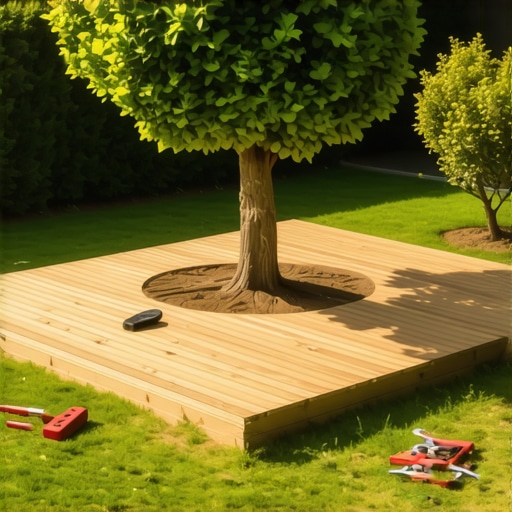
It was a warm Saturday morning when I finally decided to start my dream outdoor project—a deck that wraps around my beloved old oak tree. As I laid out the plans, I realized I had overlooked something crucial: How to build around a tree without damaging its roots. That lightbulb moment hit hard. I had underestimated the importance of preserving the tree’s health while creating a functional outdoor space, and I almost paid the price with a stressed, dying tree. If you’ve ever faced a similar dilemma—wanting to enjoy that scenic tree in your backyard but fearing you’ll harm it—you’re not alone.
Why Preserving Tree Roots Is a Must
Building a deck around a tree isn’t just about aesthetics; it’s about respecting nature’s design. Roots are the tree’s lifeline, anchoring it and providing essential nutrients and water. Damaging them can lead to stress, disease, or even death for your tree. Early in my project, I made the mistake of using traditional deck supports that penetrated too deeply into the soil, disrupting root growth. Not only did I risk harming the tree, but I also faced future instability in my deck structure. This mistake taught me that thoughtful planning and specialized techniques are key to harmonious outdoor living.
Is It Really Possible to Build Without Killing the Roots?
Absolutely. With the right approach, you can create a beautiful, sturdy deck that respects the tree’s roots. It involves understanding the root zone, choosing appropriate foundation methods, and consulting experts when needed. I found that floating deck designs or cantilevered supports can help distribute weight without invasive soil penetration. Curious about how to do this? I’ll walk you through practical steps to achieve a safe and durable deck without compromising your tree’s health. If you want to see inspiring transformation ideas, check out these custom composite decking ideas.
Ready to learn the tricks that saved my tree and created a stunning outdoor retreat? Let’s dive into the details that will keep your tree rooted and your deck solid.
,
Choose the Right Foundation Technique for Your Tree
Start by selecting a foundation approach that minimizes root intrusion. Floating decks are ideal—they rest on supports that don’t penetrate the ground, distributing weight evenly without harming roots. I once used traditional pier supports near my oak, which risked root damage. Switching to a floating design prevented that and made installation much smoother.
Use Post-Free Framing for Safety and Preservation
Implement post-free framing systems that attach to the perimeter without drilling into the soil beneath the canopy. These systems leverage adjustable brackets that sit on the ground, lifting the deck above the roots. During my project, I installed these brackets with a leveler, which allowed me to adjust height easily and avoided unnecessary soil disturbance.
Protect Roots During Excavation and Construction
Mark the root zone clearly before starting. Digging around roots can cause severe damage—think of it as cutting the roots’ lifelines. I used a hose to outline the drip line, then carefully excavated only what’s necessary for the support system. Applying mulch over exposed roots afterward kept them moist and protected from the elements.
Select Durable, Low-Maintenance Decking Materials
Opt for composite decking like those discussed in this guide. It resists rot, pests, and fading, reducing maintenance and ensuring longevity. I chose a dark gray composite board, which looks sleek but required extra attention to avoid heat build-up. Proper spacing between planks was essential to allow airflow and prevent warping.
Plan the Stairs for Safety and Accessibility
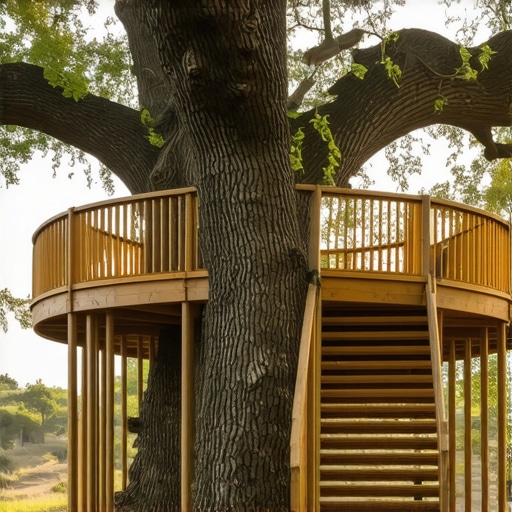
Design stairs with consistent rise and run—think of walking up a gentle slope rather than stairs that feel uneven. I used innovative stair methods to ensure comfort. When building stairs adjacent to the tree, I made sure they didn’t encroach on the root zone, preserving the tree’s health while maintaining easy access.
Secure the Deck and Ensure Long-Term Stability
Fasten all joists and support beams with corrosion-resistant hardware, like stainless steel screws, especially if your deck is near the coast—refer to this resource. Tighten fasteners properly; loose fittings can cause swaying or squeaking, which diminishes safety and comfort. During my build, I used the proper screw pattern and pre-drilled to prevent splitting and maintain structural integrity.
Adding Stairs That Enhance Your Design
Install stairs with seamless transitions—integrate them aesthetically with the deck design while ensuring they meet safety codes. I used design tips from this article to create a modern look that was both functional and visually appealing. Remember, well-designed stairs decrease trip hazards and make your outdoor space inviting.
When it comes to creating stunning outdoor living spaces, many homeowners think they understand the basics, but the reality is that misconceptions often lead to costly mistakes. One widespread myth is that choosing the most popular decking material automatically guarantees durability. In truth, selecting the right composite decking depends on understanding your climate, foot traffic, and maintenance preferences. For instance, while composite boards are low-maintenance, some types can become slippery when wet or retain heat, making thoughtful selection crucial. Additionally, many believe that building stairs is straightforward—simply measure and cut. However, overlooking detailed aspects like proper riser heights and secure railing connections can jeopardize safety and compliance. Advanced builders know that staircase design involves more, including considering code requirements and aesthetic flow.
What about the hidden nuances that even seasoned builders might miss?Keep It Working: The Tools That Make a Difference
Maintaining a durable, beautiful deck requires investing in the right tools. I swear by a high-quality digital torque wrench, like the TEKTON 1/2 Inch Drive Click Torque Wrench. This tool has saved me countless hours when tightening support beams and fasteners, ensuring optimal strength without over-tightening, which can damage composite materials. Additionally, a cordless screw gun with adjustable torque is indispensable for quick assembly and adjustments. I prefer models with brushless motors, like the DeWalt DCF887B, because they deliver consistent power and longer battery life, vital for lengthy projects.
For cutting composite decking, I rely on a fine-tooth carbide blade, such as the Dewalt DW4725. It’s essential to use blades designed for plastic composites to prevent chipping and melting. A carbide blade withstands the heat and provides a clean cut, keeping your deck looking profesionalesque.
Embrace Smart Maintenance for Longevity
Routine inspections are key to long-term performance. I recommend setting aside a monthly schedule to check fasteners, support posts, and protective coatings. A digital inspection mirror, like the Vim Tools LED Inspection Mirror, allows you to view hard-to-reach areas and catch early signs of wear, such as loose screws or minor cracks. Applying a protective sealant annually, especially around stair stringers and support posts, prevents moisture infiltration and rot.
Cleaning is equally crucial; I use a pressure washer with adjustable pressure, avoiding excessive force that can damage composite surfaces. Pair it with a gentle cleaner specifically formulated for capped composites—like Star brite’s Hard-Body Vinyl & Plastic Cleaner—to maintain vibrancy and prevent mold buildup. Regular cleaning and inspections will mean fewer surprises and more years of enjoyment from your outdoor investment.
Planning for Future Challenges and Trends
Looking ahead, technological advancements like IoT-enabled moisture sensors are becoming more accessible for outdoor structures. These sensors can alert you to potential water damage or high humidity levels that threaten your deck’s integrity. In addition, evolving composite materials are incorporating additives to improve scratch resistance and heat dissipation, making maintenance even easier. Staying updated with these innovations will ensure your deck remains both stunning and low-maintenance over the decades—visit the latest trends for 2025 to learn more.
How do I maintain my deck over time?
Consistent care is the foundation of preserving your deck’s beauty and structural integrity. Regularly check fasteners and support hardware, clean surfaces with appropriate cleaners, and apply protective coatings annually. Incorporate smart technology, such as moisture sensors, to monitor hidden issues before they escalate. Remember, the more proactive you are, the less you’ll spend on repairs or replacements down the line. Don’t hesitate to invest in quality tools now—like a precision torque wrench or a carbide blade—and your future self will thank you for the smooth, stunning outdoor living space that ages gracefully.
Lessons That Changed My Approach to Outdoor Creations
- Never underestimate the complexity of roots—what looks like soil is a vital, living network that sustains your tree. Protect it fiercely, or face unintended consequences.
- The magic of floating decks and post-free framing isn’t just convenience; it’s a game-changer in preserving mature trees while creating stunning outdoor spaces.
- Consulting experts early can save you from costly mistakes—I’ve learned that DIY isn’t always the best route when dealing with sensitive root zones.
- Thoughtful planning of stair placement and design can enhance safety and aesthetics while ensuring your tree stays happy and healthy.
- Regular tool upgrades and maintenance routines aren’t just chores—they’re investments in the longevity of your deck and peace of mind.
My Essential Tools for Beating DIY Challenges
- A precision digital torque wrench, like the DeWalt DCF887B, ensures fasteners are tight enough without damaging composite materials—crucial in my projects.
- Carbide blades, such as the Dewalt DW4725, make clean cuts on composite decking, minimizing chipping and preserving the material’s integrity.
- An inspection mirror, like the Vim Tools LED Inspection Mirror, helps me catch hidden issues early, saving time and preventing future repairs.
- A high-quality pressure washer paired with eco-friendly cleaning solutions keeps my deck looking fresh without harming the surface.
Keep Your Outdoor Haven Beautiful and Resilient
As I look back, I realize that continuous maintenance and embracing innovative materials have been my best allies in building an outdoor space that endures. Smart future-proofing, like adding moisture sensors, offers peace of mind and protects your investment. Remember, outdoor living is a journey—each step in proper build and maintenance adds decades of enjoyment. To see my favorite designs and ideas, check out this creative guide. Don’t hesitate—start planning your next outdoor masterpiece today!
Honing Your Skills: The Secrets Only Pros Know
- Build your confidence by understanding the foundation options—like floating decks—and how they can save your trees and your structure.
- Master support placement—using adjustable brackets ensures stability without soil disruption, a trick I wish I’d known from the start.
- Be meticulous during excavations—mark out the root zone carefully and limit digging to essentials. Cover exposed roots with mulch and stay vigilant.
- Choose composite materials wisely—look for ones with additives for heat dissipation and scratch resistance to maintain their beauty over time.
- Prioritize safety with stair design—smooth, consistent risers and stylish, secure railings make your deck inviting and compliant with safety standards.
Your Turn to Transform Your Outdoor Space
Building around a tree is an art that combines respect for nature and creative design. With patience and the right tools, you can craft an outdoor retreat that preserves your beloved tree and provides lasting enjoyment. Remember, every successful project begins with careful planning and a willingness to learn from experience. Ready to take the next step in your outdoor living journey? Share your thoughts or questions below—I’d love to hear about your progress or assist you in overcoming specific challenges.