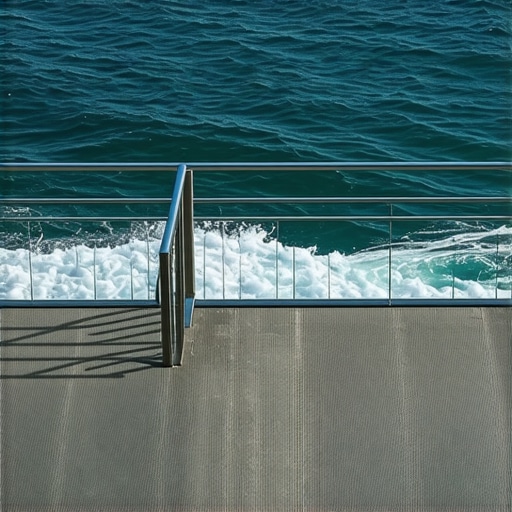
I remember the first summer I spent living by the coast, eager to enjoy my outdoor space. But within just a couple of seasons, I faced a nasty surprise: rusted, flaking railing posts that made my beautiful deck look neglected and unsafe. It was a lightbulb moment for me — I realized that choosing the right railing material isn’t just about aesthetics; it’s about durability, safety, and saving money in the long run.
Finding the Perfect Balance Between Beauty and Durability
Living near saltwater means dealing with an aggressive environment. Salt particles in the air cling to surfaces, accelerating corrosion. My initial mistake was believing that standard steel or even traditional wood would hold up without constant maintenance. Turns out, that’s a mistake I don’t want anyone else to make. Aluminum railings, especially those designed for coastal conditions, can withstand the salt air far better. They resist corrosion and require less upkeep, keeping your outdoor space looking fresh and functional year after year. If you’re tired of repainting or replacing rusted railings, it’s time to consider smarter options — and aluminum might be just what you need. Want more ideas on transforming your outdoor living space with durable materials? Check out this guide on expert deck-building tips.
,
Prepare Your Foundation Carefully
Start by clearing the area where you plan to build. Use stakes and string to mark the perimeter precisely. Dig footing holes below the frost line, ensuring they are deep enough for stability. For instance, I once spent a weekend excavating a hilly lot, which taught me the importance of level footings for long-lasting decks. Pour concrete into each footing and let them cure fully before proceeding.
Frame Your Deck with Precision
Lay out the ledger board securely against the house, ensuring it’s leveled using a laser level (see tips here). Attach the support beams to the footings with galvanized steel post anchors. Use double joists under each board butted end to prevent flexing and squeaks—a lesson learned when my first board sagged after a heavy rain. This extra support guarantees a stable surface for walking or lounging.
Install Deck Joists and Substrate
Fasten joists perpendicular to the support beams with high-quality galvanized screws or hidden fasteners. Maintain a uniform spacing of 16 inches on center to meet safety standards. During my project, I pre-drilled holes to prevent splitting and used Joist Tape (see how here) to protect against moisture. Ensure proper drainage gaps are left between boards to prevent water pooling and wood rot, especially important near coastal areas where salt accelerates corrosion.
Choosing Stairs That Combine Function and Style
Decide on the stair location early, considering accessibility and aesthetics. Use treated or composite stringers to support treads, and cut them with a fine saw, keeping edges clean to avoid splinters. During my first stair construction, I used a template to cut stringers, which saved me from uneven steps. For safer, more modern stairs, consider walkable riser heights—about 7 inches—ensuring a comfortable ascent and descent. For more stylish options, check the latest stair designs.
Secure and Finish for Longevity
Attach stair treads using stainless steel screws, which resist corrosion near saltwater environments. Avoid nails—they loosen over time, causing instability. Seal all fasteners with a waterproof coating or install hidden fasteners for a sleek look. I once neglected this step, and after heavy rain, the unsealed fasteners called attention to my oversight. Apply post caps and handrails last for added safety and style. Aluminum railings are best for coastal zones, resisting rust while complementing modern outdoor aesthetics. For additional safety measures, explore stair transition ideas to ensure seamless integration.
While many think choosing the right materials for your deck is straightforward, the truth is that there are nuanced pitfalls that even seasoned builders often overlook. One common myth is that composite decking is entirely maintenance-free. In reality, not all composites are created equal, and some require careful selection to prevent issues like color fading or mold buildup, which can undermine your outdoor aesthetic over time. An advanced mistake is believing that all deck stairs are universally suitable for every terrain or climate. For instance, connecting stairs seamlessly to a slope or uneven ground needs specialized framing or adjustable supports; otherwise, you risk stability problems or structural failure.
How Do Variations in Climate Affect Composite Material Performance?
Experts point out that exposure to extreme temperatures, UV radiation, and moisture can drastically impact composite deck longevity. A study published in the Journal of Composites Material explains that high-UHI environments accelerate material fatigue, leading to cracks or warping. This detail highlights the importance of consulting with a professional deck builder (learn more here) who understands climate-specific challenges and can recommend optimized composite products. Moreover, many individuals underestimate the intricacies of proper drainage around stairs and landings. Improper slope or sealing can trap moisture, speeding up deterioration—a mistake that’s costly to repair later. To elevate your project, check out top stair design ideas designed for longevity and style.
Essential Tools for Maintaining Your Outdoor Living Space
Maintaining a composite deck and related structures requires precision and the right equipment. I personally rely on a high-quality cordless oscillating tool for detailed cleaning around railings and stairs, as its versatility allows me to reach tight spots without damaging panels. My go-to choice is the Dremel Multi-Max, which I’ve found to be invaluable for removing stubborn grime, sanding uneven surfaces, or detailed trimming. For scrubbing, I prefer a deck brush with stiff synthetic bristles paired with a garden hose to keep mildew and moss at bay, especially in coastal climates where salt contributes to faster wear.
Power Washer: The Power of Precision Cleaning
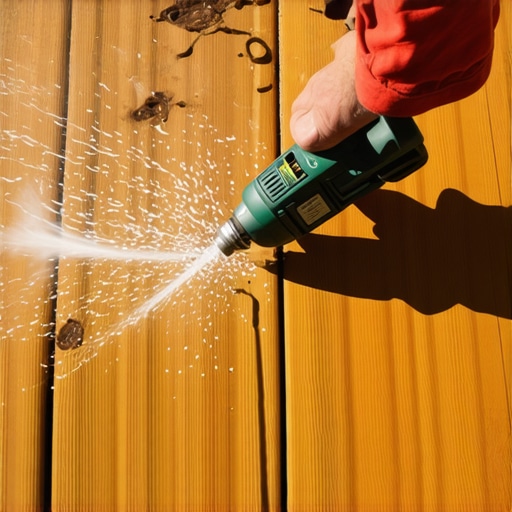
When it comes to deep cleaning, a variable-pressure power washer is indispensable. I recommend using one with a adjustable nozzle to prevent surface damage. My personal favorite is the Sun Joe SPX3000, which offers dual detergent tanks for detergents designed specifically for composites and wood. Regular power washing, scheduled biannually, helps remove salt residue and prevents mold buildup, extending your deck’s lifespan. Remember, always keep the nozzle at least 12 inches from the surface to avoid gouging the material—a mistake I learned early on! For detailed guidance on safe power washing techniques, consult this resource.
What I Keep Wrong About Coastal Durability
One of the biggest lightbulb moments I experienced was realizing that not all composite decking behaves the same under saltwater exposure. I underestimated how much climate-specific testing is necessary to select truly resilient materials.
Overestimating DIY Skills Can Cost You
I once thought that installing stairs myself was straightforward—until I encountered uneven risers and tricky landings. Now I know that precision tools and experience save time and prevent costly mistakes, especially in challenging environments.
The Myth of Maintenance-Free Railing
I believed aluminum railings required zero upkeep, but I learned that regular inspections and cleaning are essential to keep them looking their best, even in harsh coastal air. Knowledge here saves both money and frustration over the years.
Tools That Turn Challenges Into Wins
My toolkit evolved when I added a quality laser level and high-pressure cleaner. These tools made a tremendous difference—allowing me to achieve professional results and avoid common pitfalls during installation and upkeep.
Resources That Accelerate Your Outdoor Living Success
From trusted guides on deck-building tips to detailed stair design articles, investing in credible resources has drastically improved my projects. They’ve helped me foresee issues and elevate the final design.
Harnessing Passion for Every Outdoor Makeover
Looking back, the most valuable lesson is how embracing careful planning and continuous learning transforms outdoor spaces from simple decks into personalized retreats. Don’t hesitate to take proactive steps—your dream outdoor space is within reach.
What’s one unexpected challenge you faced when building or maintaining your outdoor living area? Share below—I’d love to hear your story!