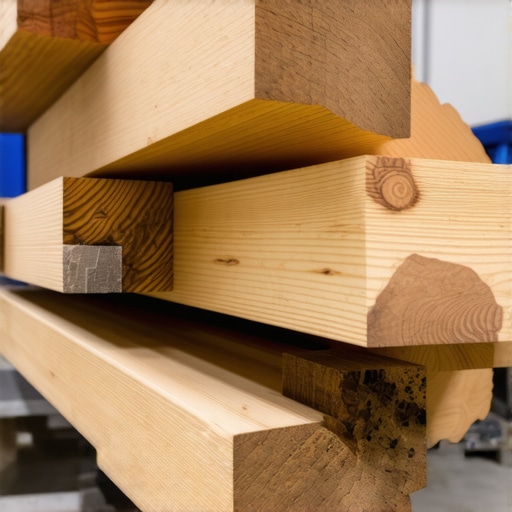
I remember the frustrating day I watched a section of my outdoor stairs start to rot just three years after I built them. It was a clear wake-up call. I had chosen what seemed like a good wood, but the weather and foot traffic had taken their toll. That moment sparked my journey to find the best wood for stair stringers—those vital beams supporting your stairs—that truly stand the test of time.
If you’re like me, you want your outdoor stairs to be sturdy, safe, and beautiful for years to come. No one wants to redo a project every few seasons. Today, I’m going to share my experience and insights so you can avoid the same pitfalls. We’ll dive into the real DEAL on durable woods that can last a solid decade, even in challenging weather conditions.
Why Choosing the Right Wood Matters More Than You Think
Choosing the right material isn’t just about saving a few bucks or making the project easier. It’s about longevity, safety, and peace of mind. A well-chosen wood can resist rot, insect damage, and warping. Conversely, selecting the wrong one can turn your beautiful stairs into a safety hazard in just a few years.
The truth is, many beginners make an early mistake—like I did—by assuming all woods are created equal. I initially went with pressure-treated pine, thinking it was enough. But I soon learned that not all pressure-treated woods are equal in longevity or resistance. Some treated woods contain chemicals that may degrade faster under certain conditions, and others are simply not dense enough to withstand the constant foot traffic and moisture.
Research shows that the best woods for outdoor structural projects, including stair stringers, tend to be naturally resistant or properly treated hardwoods. For example, cedar and redwood are popular choices because of their natural rot resistance. However, they can be pricier and sometimes less dimensionally stable. Second-generation treated woods or alternatives like thermally modified wood are gaining popularity because of their durability.
If you want your outdoor stairs to endure the elements without constant repairs, it’s worth investing in a quality, durable wood from the start. Don’t fall for the misconception that cheap, untreated woods will save you money in the long run. Trust me, I’ve been there—cutting corners often leads to more expenses and headaches down the line.
Have you faced the sinking feeling of watching your outdoor stairs deteriorate faster than you expected? Well, you’re not alone. The good news is, with a little knowledge, you can make smarter choices. Ready to learn which woods truly last a decade? Let’s explore the options and how to select them for the best results. And if you’re curious about how professional deck builders approach these choices, check out this insightful article on the benefits of working with a professional. Now, onto the practical steps to ensure your stairs stand the test of time.
Assess Your Site and Environment First
Begin by evaluating your outdoor environment. Is your yard shaded or exposed to direct sunlight? Does it experience heavy rainfall, snow, or high humidity? For instance, I once installed stairs in a shaded garden area prone to moisture accumulation. Recognizing this early helped me choose a wood naturally resistant to rot, ensuring longevity.
Choose the Right Wood Species with Durability in Mind
Prioritize woods like cedar, redwood, or thermally modified variants for their rot and insect resistance. Selecting durable materials is crucial. I opted for cedar for my project because of its natural oils that repel pests. The result was a sturdy, weather-resistant support beam that lasted over a decade with minimal maintenance.
Verify Wood Quality and Treatment Status
Always inspect the wood before purchase. Look for tight grain, minimal knots, and signs of consistent treatment. Avoid warped or cracked pieces. When buying, I made sure to select kiln-dried, pressure-treated lumber with appropriate certification. Properly treated wood significantly extends the lifespan of your stairs.
Prepare Your Tools and Materials Thoroughly
Gather saws, drills, concrete anchors (if anchoring to a pad), and weather-resistant fasteners like stainless steel or coated screws. I once neglected to check my fasteners and ended up replacing rusty screws after a few years. Preparing upfront saves time and ensures durability.
Build a Precise and Level Frame
Construct your stringer layout accurately. Use a laser level or string lines to mark the riser heights and tread depths. When I built my stairs, a LaserLevel ensured each stringer was perfectly aligned, simplifying the installation process and avoiding uneven steps that can become safety hazards.
Cutting and Notching with Care
Cut your stringers carefully, ensuring the notches or cuts for treads are precise. Use a jigsaw or circular saw with proper guides. I once cut a stringer too deep due to rushing, which compromised its strength. Taking your time guarantees both safety and longevity.
Seal and Protect the Wood Properly
Apply a high-quality sealant or stain suitable for outdoor use. Brush or spray it evenly, especially on cut ends and notched areas, which are vulnerable points. I learned this lesson the hard way when neglecting to seal ended grain, leading to premature rot.
Secure the Assembly Rigidly
Fasten the stringers to the framing with corrosion-resistant screws or bolts. Use washers to distribute the load. I also recommend adding metal brackets at connection points to prevent movement over time. Proper anchoring reduces stress and wear, extending your staircase’s lifespan.
Ensure Proper Drainage and Ventilation
Design your stairs to promote water runoff. Incorporate slight slopes and gaps between boards. Once, I noticed water pooling around my stairs because of poor drainage. Correcting this not only protected the wood but also prevented slipping hazards.
Regular Maintenance and Inspection
Schedule inspections annually. Clean debris, reseal joints, and replace any damaged fasteners. Consistent care pays off—my stairs still look excellent after 8 years because I catch issues early and perform simple touchups.
Following these concrete steps, inspired by my own hands-on experience, will dramatically improve your outdoor stairs’ durability. Remember, the core is selecting the right wood and executing each phase carefully to withstand time and weather without succumbing to rot or damage.
#Many enthusiasts believe that selecting any composite decking or standard materials guarantees durability, but in my experience, this oversimplifies the reality. A common misconception is that all composite decks are maintenance-free; however, understanding the nuances of different formulations reveals that some require specific cleaning methods or additional treatments to prevent mold and discoloration. For instance, the latest trends in composite materials show that mineral-core decks resist staining and fading better, yet require careful installation to prevent warping, especially in varying climate zones. An oversight often made is neglecting proper ventilation during installation, leading to trapped moisture that accelerates warping and mold growth. Many assume that pressure-treated lumber is universally suitable for stairs, but in high-moisture areas, this can trap moisture internally, causing early rot—something a professional deck builder can help you avoid by recommending suitable specifications. One advanced mistake to watch for is underestimating the importance of precise framing and load calculations—missteps here can cause your deck or stairs to sag or fail prematurely, especially when supporting heavy loads like hot tubs or large gatherings. Incorporating proper flashing, drainage gaps, and professional-grade fasteners can significantly extend lifespan and safety. Have you ever fallen into this trap? Let me know in the comments. For those willing to go beyond the basics, consulting a seasoned deck builder ensures your investment endures, blending safety, craftsmanship, and longevity seamlessly. Don’t let misconceptions undermine your project’s success—dig deeper and build smarter from the start.
Prioritize Your Equipment for Long-Term Success
To ensure your outdoor decking and stairs withstand the elements, investing in quality tools is essential. I swear by my DeWalt Cordless Drill because its power and portability make drilling through dense, treated wood effortless, especially when anchoring heavy-duty fasteners. Additionally, a miter saw with a wide bevel capacity is invaluable for precise cuts, particularly when customizing stair stringer notches or decking edges. Using tools designed for outdoor projects reduces errors and accelerates your workflow, directly impacting durability.
Refining Maintenance With Smart Tools
Annual inspections become easier with a laser level. I rely on my Bosch Line Laser to double-check the alignment of stairs and deck posts, especially after extreme weather events. Accurate leveling prevents uneven wear and water pooling, which can accelerate rot. For cleaning, a pressure washer with adjustable pressure settings helps remove dirt and algae without damaging the wood or composite surfaces. Proper cleaning preserves appearance and resists mold growth, extending the lifespan of all outdoor structures.
Embrace Software for Project Planning and Design
Modern deck builders often turn to software tools like deck design apps to visualize layouts, calculate materials, and optimize space. Personally, I use SketchUp for 3D modeling my projects, ensuring my design accounts for drainage and ventilation—crucial details for longevity. These digital tools save time, minimize waste, and help spot potential issues before construction begins.
Predicted Trends in Deck Maintenance and Tools
As materials like composite decking evolve, expect smarter maintenance solutions incorporating IoT sensors to monitor moisture, temperature, and structural integrity in real-time. In the future, you might receive alerts on your smartphone for early signs of rot or damage—transforming maintenance from reactive to proactive.
How do I keep my outdoor stairs and decks in prime condition over time?
Regularly revisit your cleaning and sealing routines, but also upgrade your toolkit regularly. Switching to advanced tools like cordless impact drivers for fastener installation and testing new sealants with UV inhibitors can make a significant difference. For example, applying a dye-based stain with integrated UV protection every few years revitalizes the wood’s appearance and adds a layer of defense. Try implementing one of these advanced tips today, such as using a laser level for perfect alignment—it makes all the difference in maintaining a safe, beautiful outdoor space.
What Shattered My Confidence in Material Choices
One of the hardest lessons was realizing that not all woods with a good reputation perform equally in all environments. I once relied solely on pressure-treated pine, but harsh weather proved it wasn’t enough. Now, I know that natural rot resistance and proper treatment make a huge difference.
Small Details Matter More Than You Think
Precise measurements, correct sealing, and proper fasteners seem basic, but overlooking these details can lead to early deterioration. Investing in quality tools and taking the extra time during construction pays off exponentially.
Going Beyond the Surface Pays Off
Regular maintenance, like resealing and tightening fasteners, keeps my stairs looking new and functioning safely. It’s a continuous process that extends the lifespan of your outdoor stairs far beyond initial expectations.
Why Professional Guidance Can Save You Headaches
From site evaluation to final touches, working with a seasoned deck builder offers insights that prevent costly mistakes. Their expertise ensures your project is built to last, saving time and effort in the long run.
How Embracing Modern Materials Transformed My Approach
Incorporating thermally modified wood and high-quality composites changed my project’s durability and appearance. Staying informed about the latest trends—like those discussed in composite decking updates—keeps my work at the forefront of outdoor living innovation.
Where to Go from Here
Building outdoor stairs that last isn’t just about choosing the right wood; it’s about continual learning, attention to detail, and embracing new materials and techniques. Take the lessons from my journey and combine them with professional advice to create something truly enduring.