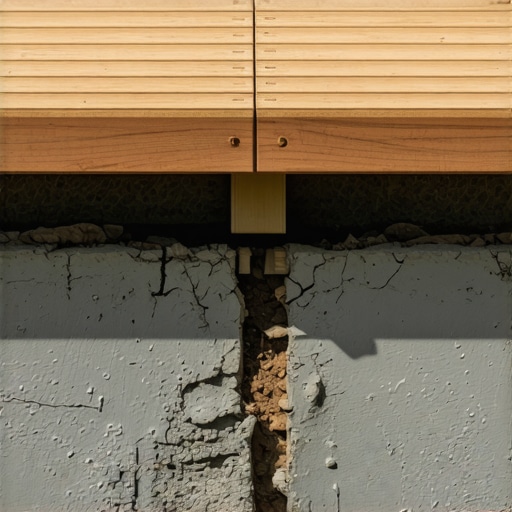
Ever stepped onto your deck and felt that familiar, unsettling wobble or noticed a gap forming between the house and the deck surface? I remember the first time I saw this happening at my own place—a small gap that suddenly felt like a chasm. That moment was a real eye-opener, and honestly, it left me wondering: Why is my deck pulling away, and is it something I can fix myself?
The Real Reason Your Deck Is Pulling Away
It’s a question I hear all the time—especially from homeowners who poured their hearts into creating a beautiful outdoor space. Turns out, the culprit is often a combination of factors that go beyond just poor construction. The most common reason? Water and moisture exposure. Over time, moisture seeps into the wood or composite, causing expansion, contraction, and eventually, structural shifts that lead to those unsettling gaps.
Additionally, inadequate footing or poor drainage can accelerate the problem. When the soil beneath your deck becomes saturated and begins to shift, it can cause the entire structure to settle or pull away from the house’s ledger board. Early on, I made the mistake of ignoring small gaps, assuming they were harmless. But that was a costly oversight. For the best insights on how to prevent and fix these issues, I recommend reading this guide on working with a professional deck builder.
Now, if you’re feeling concerned about the safety and longevity of your deck, you’re not alone. Knowing the root cause is the first step toward a lasting solution. So, what can you do about it? Rest assured, many problems are fixable—sometimes with just a few adjustments, other times with more extensive repairs. Let’s dive into those solutions next.
Does this sound familiar? Have you noticed your deck pulling away or become unstable? You’re not alone—many homeowners face this issue, and it’s a sign that some attention is needed. It’s essential to address it early before it turns into a safety hazard or costs a fortune. Keep reading, because I’ll share proven strategies and tips to help you restore your deck’s integrity and enjoy your outdoor space safely for years to come.Assess the Damage and Plan Your Approach
Start by inspecting your deck thoroughly, focusing on areas where gaps or wobbling are evident. Use a level to check if the deck is settling unevenly. If you notice loose or missing fasteners, or soft boards, make a detailed plan for repairs. Remember, safety is paramount—if the structure wobbles significantly or shows signs of critical failure, consider consulting a professional from this resource for expert guidance.
Remove and Replace Damaged or Failing Boards
Identify affected boards by tapping for soft spots or visual cracks. Using a power drill, remove the screws or nails holding these boards. Use a saw to cut out warped or split sections carefully. When installing new boards, cut them slightly longer than needed to facilitate scribing for a perfect fit. Then, secure the new boards with stainless steel screws, which resist corrosion and ensure durability, especially in coastal environments. Choosing the right composite decking is crucial to avoid future warping.
Strengthen the Foundation
Inspect the footings beneath your deck. If you notice signs of sinking or shifting, you may need to elevate or replace those footings. Use a concrete level and a marker to identify uneven points. For minor adjustments, plastic shims can be inserted under the posts, but for more serious issues, replace or reinforce footings with concrete piers. To prevent future problems, ensure drainage around the foundation is directed away from the deck by adding gravel or installing proper drainage systems, as discussed in this guide.
Secure the Ledger Board
The ledger board is often the culprit in pulling-away issues. Check for wood rot or loose flashing where the ledger attaches to your house. Tighten any loose bolts and replace rotten wood with rot-resistant materials like composite or cedar. Ensure proper flashing and sealing to keep water out, which prevents wood decay. For best practices, see this article. Proper ledger attachment is vital to the deck’s integrity and your safety.
Address Water Drainage Around Your Deck
Water exposure causes wood expansion, contraction, and eventual structural shifts. Sloping the ground away from your deck’s foundation ensures water runoff does not pool near posts or footings. Installing gutters or splash blocks can divert rainwater effectively. Also, consider sealing all wood surfaces with a high-quality, water-resistant finish to minimize moisture absorption, especially on composite decking that benefits from proper sealing and maintenance, as shown in this resource.
Replace or Upgrade to Durable Materials
If aging or damage prompted the pulling away, upgrading your decking materials can significantly improve longevity. Modern composite decking resists moisture, insects, and rot. When installing new boards, use a hidden fastener system to ensure a clean look and reduce pull-out points. For stairs, opt for sturdy, slip-resistant treads connected with secure risers. Explore innovative stair solutions to improve safety and aesthetics. Combining durable materials with proper construction techniques ensures your deck stays stable for years.
Implement Ongoing Maintenance and Inspection
Regularly check your deck for early signs of problems like loose fasteners, warping, or water damage. Tighten bolts, reseal surfaces annually, and clear debris from drainage pathways. Such routine actions prevent small issues from escalating into safety hazards. Establishing a seasonal inspection routine, as detailed in this guide, helps maintain your outdoor living space effectively.
Many homeowners assume that choosing the most affordable materials or DIY solutions guarantees long-term success in outdoor projects. However, such misconceptions can lead to costly mistakes, especially when it comes to deck builder expertise and composite decking durability. For example, a prevalent myth is that all composite decks are maintenance-free; in reality, some lower-quality options require regular sealing or drainage adjustments to prevent warping and staining.
Is Your Comfort and Safety Ensuring, or Possible Fool’s Gold?
It’s a common trap to underestimate the complexity involved in designing stairs or outdoor living spaces without considering proper load-bearing calculations or slip resistance. Experts emphasize that overlooking foundational codes or climate considerations can compromise safety and longevity. According to a study by the Architectural Institute of Plumbing, inadequate planning of drainage and airflow can accelerate deterioration, especially in exposed environments. Therefore, aligning your expectations with advanced knowledge—such as understanding hidden nuances in materials or design—is crucial for a lasting outdoor space. Don’t fall prey to superficial fixes; instead, invest in professional guidance and high-grade materials like those recommended on [this platform](https://deckdesignbuild.com/transform-your-outdoor-living-with-custom-composite-decking-ideas). Have you ever fallen into this trap? Let me know in the comments.
Maintaining a beautiful, durable outdoor living space requires not just knowledge but also the right tools and methods. As a DIY enthusiast and professional builder, I rely on specific equipment and software that ensure efficiency, precision, and long-term performance. Investing in quality tools pays dividends over time, minimizing repairs and maximizing enjoyment of your deck.
Invest in a Laser Level for Perfect Alignment
A laser level is indispensable for ensuring your deck is perfectly level, especially when working on large surfaces like composite decks or building stairs. I personally use the DeWalt DW089LG Green Laser Level because of its high visibility and short alignment times. Its accuracy within 1/8 inch over 100 feet makes it ideal for setting post heights, aligning joists, and confirming the overall levelness—crucial for safety and aesthetics. As the trend toward precision grows, tools like this will become standard for professional-quality outdoor projects.
Use a Cordless Impact Driver for Secure Fastening
When installing decking boards or securing stair stringers, a reliable impact driver saves time and effort. I prefer the Makita XDT16Z Impact Driver because of its ergonomic design and adjustable torque settings. Its high speed and power ensure screws and bolts are driven flush, reducing the risk of board warping or misalignment. Using impact drivers with specialized bits made for composite materials, like the Milwaukee Shockwave Impact Duty, helps prevent damage and ensures maximum hold—vital for long-lasting decks.
Implement Software for Design and Planning
Advanced design software, such as SketchUp with dedicated deck planning plugins, streamlines your project from concept to completion. These programs provide accurate measurements, material estimates, and visualization, helping you avoid costly miscalculations. For those planning multi-level decks or complex staircases, digital tools allow you to experiment with layout options before starting physical work, saving time, money, and stress.
Plan for Long-Term Success with Proper Maintenance
Tools aren’t just for construction; they’re essential for ongoing maintenance. A high-quality pressure washer, such as the Simpson PS3228 Power Shot, helps clean debris and buildup without damaging surfaces. Regular inspections with a detailed checklist—covering fasteners, joists, and sealants—are critical. Incorporating moisture meters into your toolkit, like the
What’s Next for Deck Maintenance?
The future of outdoor living suggests smart technology integration—think moisture sensors and automated watering systems—that actively monitor your deck’s health. As composite materials evolve, so will the tools needed to care for them, emphasizing durability and smart diagnostics. Staying informed and equipped with the latest equipment, like the innovative composite decking trends of 2025, will ensure your investment lasts for decades.
To get started on elevating your outdoor space, try utilizing a laser level for your next deck project. Its precision will make your work stand out and set a solid foundation for years of outdoor enjoyment.
The Hardest Lesson I Learned About Decks and Moisture Issues
One of the biggest surprises was realizing how much water exposure accelerates deck deterioration and causes structural shifts. Ignoring small gaps and forgetting to check drainage can lead to costly repairs. Regular inspections and proper sealing could have saved me from extensive replacements later on.
Why Overconfidence in DIY Can Backfire
I used to believe that small fixes and basic tools were enough. But the reality is, understanding load-bearing calculations, material nuances, and safety standards is crucial. Enlisting professional help or in-depth resources like expert guides made a difference.
Neglecting Water Drainage Is a False Economy
Failing to address water runoff around the deck, especially in climates with heavy rain, only worsened the problem. Adding gutters, proper grading, and water-resistant finishes are essential steps I wish I prioritized earlier—less costly than extensive structural repairs.
Switching to Durable Materials Saved My Deck
Moving from traditional wood to high-quality composite decking reduced moisture absorption, warping, and maintenance time. Choosing materials with excellent water resistance and sealing options, as discussed in trusted resources, proved invaluable.
Ongoing Vigilance Is the Best Prevention
Routine inspections, seasonal resealing, and quick repairs prevented further damage. Tools like moisture meters and laser levels helped me spot issues early. Investing in ongoing maintenance is the smartest move to extend your deck’s lifespan and safety—less hassle and money down the line.