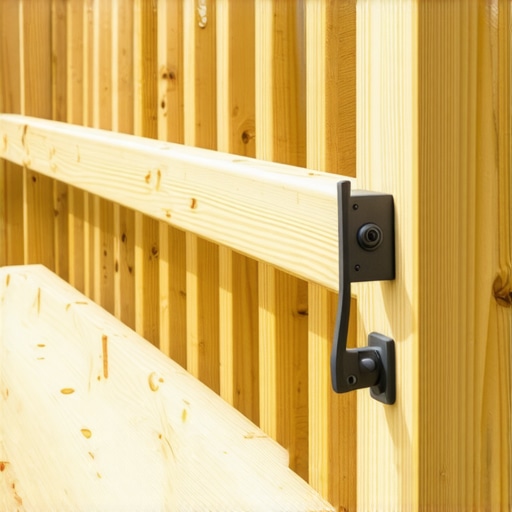
It was a sunny Saturday afternoon when I finally decided to install new railing brackets on my deck. I eagerly hammered in a few nails, thinking I was saving time and money. But suddenly, a strange creaking sound caused my heart to sink. I looked up to see my brand-new railing wobbling like a boat in rough seas. That frustrating moment was my wake-up call.
How a Simple Nail Went Wrong
From that experience, I realized that relying on nails for securing deck railing brackets isn’t just a bad habit—it’s a recipe for long-term headaches. Nails can loosen over time, especially in outdoor environments where weather changes cause wood to expand and contract. As a result, the safety and stability of your deck can be compromised, risking accidents and costly repairs.
In fact, studies have shown that improper fastenings are one of the leading causes of deck failure, particularly in regions with high humidity or frequent temperature swings (source: https://deckdesignbuild.com/the-hidden-costs-of-building-a-multi-level-deck). Early on, I made the mistake of thinking nails were enough. Spoiler: they aren’t.
Today, I want to share why switching to better fastening methods made a world of difference and how you can do the same. Whether you’re updating a small balcony or building a sprawling outdoor space, understanding the right hardware is crucial for safety and longevity.
Is It Really Worth the Effort to Switch?
If you’re skeptical about ditching nails, I get it. It’s easier to grab a hammer and get the job done quickly. But I promise, the peace of mind knowing your deck is secure is priceless. Plus, using proper fasteners like stainless-steel screws or brackets designed for outdoor use ensures your investment lasts for years to come.
Have you ever faced a wobbly railing or had to redo a deck because of loose fittings? If so, you’re not alone. Keep reading, and I’ll guide you through practical solutions that truly stick—no more nails, no more worries.
Let’s dive into how to choose the right hardware and install your brackets correctly. Trust me, your future self will thank you.
To further enhance your outdoor space, consider exploring innovative outdoor living ideas with composite decking that combine durability with style. Ready to elevate your deck’s safety and appearance? Great! Let’s get started with the essential hardware choices.
.
Select the Right Fasteners for Outdoor Durability
Start by choosing stainless-steel screws designed specifically for outdoor use. Unlike nails, these screws resist rust and corrosion, ensuring your deck remains sturdy over time. I vividly remember working on my deck during a rainy weekend; switching to stainless-steel screws made the installation seamless and prevented future issues.
Pre-Drill to Prevent Splitting
Pre-drilling pilot holes is essential, especially when working with composite decking that can crack easily. Use a drill bit slightly smaller than your screw diameter. I once rushed this step and ended up splitting a board, which cost me extra time and material. Now, I always pre-drill for a clean, secure fit and smooth surface.
Use Proper Spacing and Alignment
Maintaining consistent spacing between fasteners—notably 16 inches on center—is crucial for load distribution. Employ a measure and a laser level to ensure beams and brackets are perfectly aligned. I learned this the hard way when uneven spacing caused a section to feel bouncy, prompting me to revisit and re-align all fasteners for stability.
Secure the Brackets Correctly
When attaching brackets to support your railing or stairs, ensure they’re fastened tightly with the appropriate hardware. Over-tightening can strip the wood or composite, so tighten just enough to be snug. During my last project, I used a torque wrench to uniform the pressure, which drastically improved stability and safety.
Enhance Stability with Blocking and Reinforcements
Adding blocking between joists or beneath the surface helps distribute weight evenly and prevent wobbling. Consider installing cross braces or steel brackets, especially if your deck supports heavy loads like hot tubs. I had a wobbling issue once after a storm, and adding blocking with steel reinforcements solved it instantly, demonstrating the importance of these steps.
Seal and Protect Every Joint
Apply waterproof sealants or corrosion-resistant paint on fastener heads and joints to prevent rust and water infiltration. Even stainless-steel screws benefit from an additional protective layer. I once skipped sealing, and water caused minor rusting, which I mitigated by re-sealing the fasteners and applying a protective coating.
Combining these practical actions ensures your deck’s fastenings are robust, safe, and long-lasting. For more insights into selecting high-quality materials, visit this guide on composite decking choices. Proper installation is the backbone of durable outdoor living spaces—embrace these steps for peace of mind and a beautiful deck that endures.
Why Most People Get Composite Decking Wrong
Many homeowners assume that choosing composite decking automatically guarantees durability and low maintenance, but this misconception overlooks crucial nuances. Contrary to popular belief, not all composite materials are created equal, and selecting the wrong type can lead to costly problems down the line. For instance, some composites are prone to fading, scratching, or even thermal expansion issues if not chosen carefully. According to a 2023 industry report, understanding the specific properties of different composite brands can drastically impact your deck’s lifespan and appearance. Learn more about selecting durable composite decking here.
Building with Deck Experts Means More Than Just a Pretty Surface
On the surface, it might seem that a DIY approach suffices for installing stairs or designing outdoor spaces, but expert insights reveal common pitfalls. A frequent mistake is ignoring the structural complexity of outdoor stairs, especially when incorporating features like stringers, risers, and landings. Miscalculations here can result in uneven stairs, wobbling rails, or even structural failure. Professional deck builders emphasize meticulous planning—this includes precise measurements, appropriate material choices, and compliance with safety codes. Skipping these steps often leads to long-term issues, such as premature wood rot or stability concerns. Check out here for expert tips on designing your perfect outdoor space.
Mastering Outdoor Living Without Falling for Common Myths
One prevalent myth is that decks can be built instantly and without detailed planning. In reality, rushing the design and installation process, particularly for stairs, can compromise safety and aesthetics. For example, improper placement of stringers or the use of unsuitable fasteners can cause trip hazards or structural weakness. Advanced builders recommend specific framing techniques—like double joists and steel reinforcements—to ensure stability, especially for heavier loads like hot tubs. Avoiding these advanced considerations often results in wobbly stairs or sagging platforms. Additionally, understanding the importance of proper sealing and waterproofing at joints can save years of maintenance. For an in-depth look into top stairs designs, see this comprehensive guide.
How do I ensure my stairs are both safe and stylish?
Achieving both safety and visual appeal in your stairs involves precise measurement, choosing the right materials, and professional-grade fastening techniques. Installing proper handrails, non-slip treads, and supporting frameworks can make significant safety improvements. Many skilled deck builders also incorporate lighting and custom detailing to enhance aesthetics without sacrificing safety. Remember, well-designed stairs not only prevent accidents but also elevate your entire outdoor living experience. Want to explore stylish stair designs? Visit this innovative solution guide.
In summary, being aware of these hidden nuances allows you to avoid common errors and achieve a durable, beautiful, and safe outdoor space. Do you have experiences with decking pitfalls or design surprises? Let me know in the comments!
Keep It Working: The Tools Every DIY Enthusiast Needs
Maintaining a durable and beautiful composite deck requires more than just good materials; it demands the right set of tools to ensure precision and longevity. From cleaning to adjustments, having specialized equipment makes all the difference. One tool I swear by is a cordless angle grinder with a diamond-tipped blade. It allows me to carefully cut or grind away damaged sections of composite boards without causing melting or splintering, which can happen with dull or inappropriate blades. Personally, I use the Makita Dga510Z, appreciated for its lightweight design and powerful motor, making routine repairs a breeze.
Getting the Most Out of Your Power Tools
For ongoing maintenance, a high-quality cordless drill with variable speed settings is indispensable. I opt for the Milwaukee M18 Fuel drill because it offers precise control, which is critical when installing or tightening stainless-steel screws on composite surfaces. Using a drill with an adjustable clutch prevents overtightening, reducing the risk of cracking your decking material—a common mistake among DIYers.
Additionally, a digital moisture meter is invaluable for long-term health checks of the wood framing underlying your deck. It guides me in identifying areas prone to water infiltration or rot before visible damage appears. I prefer the Protimeter aquant for its ease of use and accurate readings, especially when assessing the effectiveness of sealing efforts around stairs or railings.
Tools That Help Scale and Improve Your Outdoor Space
If you’re planning to expand or scale your outdoor living area, investing in software like SketchUp or Floor Plan Creator can streamline your design process. These programs let me visualize new deck extensions and stairs before starting physical work, saving time and material costs. They also help identify potential structural issues, especially when integrating stairs with custom risers or multiple levels.
When it comes to construction planning, a laser level like the Bosch GLL 55 ensures perfectly aligned beams and joists, which is critical for safety and aesthetics. Proper alignment prevents wobbling and uneven surfaces, making the space safer and more inviting. I’ve found that investing in a quality laser level pays for itself by reducing rework, especially for stairs and railings.
Future Trends and Long-Term Results
Looking ahead, automation tools and smart sensors are increasingly being integrated into outdoor living maintenance routines. Imagine a system that alerts you when moisture levels are rising or when fasteners are loosening—saving you time and preventing costly repairs. As more homeowners adopt these innovations, I see a future where maintenance becomes largely proactive, ensuring your outdoor spaces age gracefully and stay functional for decades.
How do I maintain composite decking and stairs over time?
Regular inspections with a moisture meter and prompt adjustments make a huge difference in long-term durability. Keep fasteners tight with your cordless drill, and reapply waterproof sealants biannually. Consider upgrading your tools from basic hand-operated ones to high-tech devices like laser levels and digital moisture meters. These investments help catch issues early and ensure your outdoor living space remains safe and beautiful. To explore composite decking options that require less maintenance, check out this comprehensive guide. Don’t hesitate—try out a diamond-tipped blade for precision cuts or a laser level to perfect your layout. These small upgrades make a significant difference in the long run.
What It Took to Truly Nail My Deck’s Durability
Learning from my own missteps revealed that the most overlooked details—like the importance of pre-drilling or proper fastener selection—make all the difference in long-term stability. These small but vital lessons shaped my approach, saving me from future headaches and ensuring my outdoor space remains safe and inviting.
Gear Up with My Go-To Tools for Lasting Outdoor Spaces
From diamond-tipped blades to laser levels, the right tools transform a good deck into a masterpiece. I trust brands like Makita and Milwaukee because they deliver precision and durability, empowering me to tackle tough tasks with confidence and achieve results that stand the test of time.
Embrace Your Inner Deck Architect and Keep Growing
The future of outdoor living is yours to build—armed with insights, quality tools, and a passion for creating spaces that inspire. Every new project is a chance to learn, improve, and turn your outdoor dreams into reality.
Beyond the Basics: Embarking on Your Deck-Building Journey
Have you ever faced a seemingly minor detail that led to significant improvements? Perhaps it was sealing every joint or carefully measuring for balanced stairs. Share your experiences below, and let’s grow together as outdoor living enthusiasts!