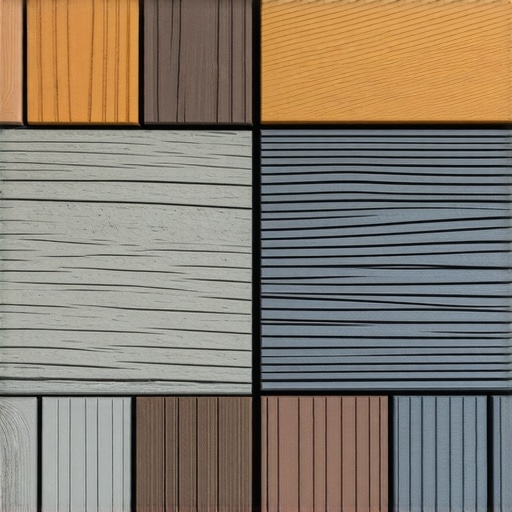
Just last summer, I watched in horror as a client’s beautiful new deck lost its luster after a well-intentioned attempt to clean it with bleach. The bright white streaks and warped edges were heartbreaking—an all-too-familiar scene for anyone who’s tried to maintain outdoor surfaces with harsh chemicals. That moment was a lightbulb for me: I realized how easy it is to damage capped composite decking without even knowing it, especially when using the wrong cleaning methods.
The Hidden Danger of Bleach on Composite Decks
Many homeowners and even some professionals overlook the fact that bleach is extremely harsh on modern decking materials. Despite its powerful stain-removing properties, bleach can ruin your deck’s appearance and longevity. I’ve learned this the hard way, making a costly mistake early in my career by using bleach during a routine cleaning. The result? Faded spots, loss of protective surface layers, and increased susceptibility to weathering. Since then, I’ve seen countless decks suffer similar fates, which is why I’m passionate about sharing what works — and what doesn’t.
If you’re wondering whether bleach is still the most effective DIY cleaner, I promise we’ll explore safer, proven alternatives that can keep your outdoor space looking stunning without risking damage. After all, a well-maintained deck not only boosts curb appeal but also extends the lifespan of your investment. So, are you tired of seeing dull or stained composite boards after cleaning? Let’s dive into what you should do instead.
Is Bleach Actually Worth the Hype?
Early on, I made the mistake of assuming that powerful cleaning agents were always better. I thought bleach’s ability to tackle mold and grime justified its harshness. But I discovered that the corrosive nature of bleach accelerates degradation, especially on capped composite surfaces designed to resist stains and scratches. An article from a reputable resource emphasizes that using aggressive chemicals can void warranties and lead to costly repairs down the line.
Have you ever faced similar frustration after cleaning your deck? If so, you’re not alone. Understanding the science behind composite materials can save you a lot of trouble — and money — in the long run. Up next, I’ll share the best practices for keeping your deck looking its best without risking damage from improper cleaning techniques. Stick around, because your outdoor oasis deserves the gentlest touch, not the harshest chemicals.
,
Prep the Deck Surface
Start by removing loose debris with a stiff-bristled broom. Think of your deck like a driveway; clearing the surface first prevents scratching when applying cleaners. I once neglected this step and ended up dragging dirt across the boards, leaving scratches that took months to fade. Next, use a garden hose or pressure washer on low setting to wet the surface, which helps loosen grime and prepares it for cleaning.
Choose the Right Cleaning Solution
Use Gentle, Eco-Friendly Cleaners
Opt for a soap or cleaner specifically designed for composite decking. A mixture of mild dish soap and warm water works well; avoid any product with bleach, acids, or strong solvents. I tried a commercial heavy-duty cleaner on a friend’s deck once, but it caused discoloration. Always test a small area first to ensure compatibility. For stubborn stains, consider a specialized composite cleaner like those found in composite decking solutions.
Scrub Without Scratching
Use a soft-bristle brush or sponge to scrub the surface gently. Think of it like washing delicate silk—firm enough to remove dirt, gentle enough to preserve the finish. I once used a wire brush by mistake, which left permanent scratches; it was a costly lesson. Work in small sections, applying cleaner and scrubbing in the direction of the grain to minimize damage. Rinse thoroughly with water to wash away residue and dirt.
Tackle Stains and Mold
For mold or mildew, a diluted vinegar solution—one part vinegar to three parts water—can be effective without harming the surface. Spray liberally, let it sit for 10 minutes, then scrub softly. A specific time I applied this was after a rainy spring; the vinegar killed the mold and restored the deck’s appearance without any bleaching or damage.
Dry and Inspect
After rinsing, let the deck air dry completely. This aids in spotting any remaining stains or areas that need touch-up. During a DIY project, I left my deck to dry overnight and noticed some spots I missed, which I cleaned the next day. Regular maintenance like this prolongs the lifespan of your composite material and keeps it looking brand new.
Additional Tips for Success
Never use metal brushes or abrasive pads—they can scratch the composite surface like sandpaper on plastic. Also, avoid high-pressure nozzles, which can gouge the material, similar to tearing a paper towel. For more innovative outdoor ideas, check out the latest trends. Regular cleaning every 1-2 years is enough to maintain the deck’s integrity and appearance, saving you money and hassle in the long run.
Many homeowners and even seasoned deck builders assume they have a clear grasp of outdoor living, but there are nuanced mistakes that can sabotage your project’s success. One common myth is that selecting the most attractive composite decking option automatically guarantees durability without considering environmental factors. In reality, not all composite materials perform equally across varying climates, and failing to choose an appropriate product can lead to premature warping or fading. An expert study from the 2025 trends guide highlights the importance of climate-specific composites that resist salt spray or extreme sunlight, particularly relevant for coastal or arid regions.
Another widespread misconception involves deck stairs. Many believe that standard stringers suffice, but overlooking proper load calculation or the integration of safety features can create hazards. For example, inadequate riser uniformity or improper support can cause stairs to feel bouncy or uneven, risking trips or falls._
Why do so many deck stairs fail inspections despite looking fine?
_ The answer often lies in neglecting precise framing and connection details. Building safe and stylish stairs isn’t just about aesthetics; it’s about structurally sound design that accounts for load distribution and slip resistance. According to structural engineers, small miscalculations in stringer spacing or stringer-to-tread attachments can significantly compromise safety over time—an oversight that can be avoided by consulting experienced professionals.
Let’s talk about often unnoticed but critical details in transition areas and seamless integration. Many underestimate the importance of maintaining consistent elevation and transition flow between decks and stairs, which affects both safety and visual harmony. A slight misalignment, if uncorrected, can cause uneven wear, trip hazards, or an uninviting appearance. Proceeding without expert guidance may lead to costly modifications later; therefore, engaging a skilled deck builder early can save time and resources, ensuring smooth transitions and long-lasting stability.
Beyond structural concerns, many overlook the environmental nuances—such as humidity, UV exposure, and soil conditions—that influence your deck’s lifespan. Selecting materials with the right protective coatings or drainage systems tailored to your locale can extend your deck’s beauty and integrity. An article on expert outdoor tips emphasizes the importance of site-specific assessments before construction, a step often skipped in DIY projects but crucial for durability.
In essence, successful outdoor living projects depend on attention to these critical, often overlooked elements. They require understanding the detailed nuances—beyond the obvious choices—that influence long-term performance and safety. Do you know of other common misconceptions in deck design? Share your experiences or questions below. Remember, consulting professionals not only elevates your project but also prevents costly mistakes in the future.
Equip Yourself for Lasting Outdoor Living
Maintaining a beautiful and durable deck over the years requires the right tools and a strategic approach. I personally rely on a combination of high-quality equipment and proven methods to ensure every project stands the test of time. One essential tool in my arsenal is a cordless oscillating multi-tool, such as the Dremel Multi-Max. Its versatility allows me to clean, sand, and make precise cuts in tight spaces, especially when replacing damaged sections or fitting new boards.
For cleaning, I prefer a pressure washer with adjustable settings, like the Sun Joe SPX3000. I set it to a low-pressure setting to gently remove dirt without damaging the composite surface. Overly aggressive power washing can gouge the material, so controlling pressure and maintaining a proper distance are critical. After cleaning, I follow up with a soft brush or sponge to get into crevices, ensuring thorough maintenance.
But equipment is just one part of the equation. I utilize specialized cleaners like composite-specific cleaning solutions that effectively loosen grime without stripping the protective cap. Regular inspections also help spot early signs of wear, such as warping or discoloration, so I can address issues before they escalate.
Future Trends in Deck Maintenance
Looking ahead, I believe automation and smart technology are poised to revolutionize outdoor maintenance. Imagine self-cleaning decks with embedded nano-coatings or robotic cleaners that patrol your space regularly. Already, some innovations involve UV-resistant coatings that reduce mold buildup, making routine upkeep easier and less time-consuming. Staying informed about these advancements will be essential for homeowners wanting to maximize their outdoor living investments.
How do I keep my deck functioning smoothly over time?
First, establishing a regular maintenance schedule—bi-annual cleaning and inspection—prevents minor issues from becoming major repairs. Second, investing in quality tools, like a reliable pressure washer and precision cutters, makes routine tasks more efficient and effective. Lastly, staying educated on new product innovations and techniques, such as advanced coatings or smart automation, keeps your deck in peak condition. For more ideas on elevating your outdoor space, check out this guide on current trends. Don’t hesitate to try the tip of using a multi-tool for corner repairs; it can dramatically improve your results and extend your deck’s lifespan.
Three Lessons That Changed My Approach to Outdoor Living
- Not all quick fixes are safe: I used to assume that strong chemical cleaners offered instant results, but I learned the hard way that they can cause long-term damage to composite decking. Patience and proper technique trump shortcuts, saving time and money.
- Every detail matters—more than I thought: From precise stair framing to the subtle choices in fasteners, I realized that the tiniest overlooked aspect can compromise safety and aesthetic. Meticulous planning and learning from experts have transformed my projects.
- Environmental factors should drive design decisions: Climate, soil, and UV exposure influence how a deck ages. Listening to professionals’ site assessments has helped me select materials and methods that stand the test of time, rather than relying solely on appearance or trends.
My Must-Explore Resources for Elevated Decks and Stairs
- Expert Deck Builder Insights: Recommendations from seasoned deck builders have been invaluable. They clarify complex structural requirements and inspire innovative ideas.
- Trend Reports and Future Ideas: The 2025 composite decking trends guide keeps me ahead in aesthetic and durability improvements, ensuring my outdoor projects stay modern and resilient.
- Safety and Design Best Practices: Insights on stair safety and seamless transitions have helped me create inviting, secure outdoor spaces that families will enjoy for years.
Keep Your Outdoor Dream Alive
Creating durable, eye-catching outdoor living areas isn’t just about picking the right materials—it’s about embracing continuous learning and meticulous attention to detail. Every project is a chance to improve, adapt, and reinvent your space—so don’t hold back from trying new ideas or consulting the pros. Are you ready to elevate your outdoor living experience to the next level? Share your plans or hurdles below; I love helping fellow enthusiasts turn visions into reality.