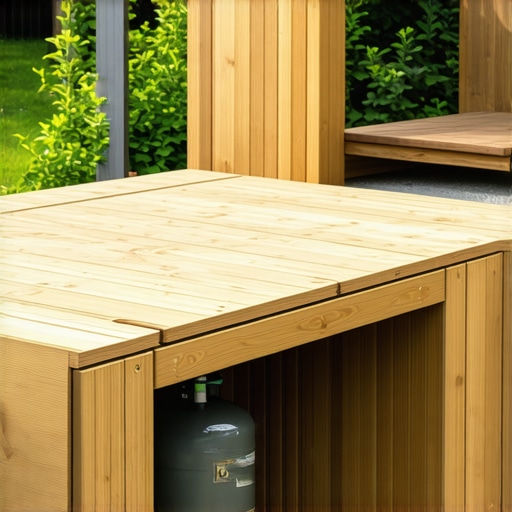
I remember the moment vividly—standing in my backyard, staring at that eyesore of a propane tank nestled awkwardly beside my new deck. It was a glaring distraction from the sleek, modern outdoor space I’d envisioned. I tried to ignore it, hoping it would blend in on its own, but every glance reminded me that something had to give. That’s when I had my lightbulb moment: I needed a solution that would hide that bulky tank without sacrificing accessibility or style.
Why Hiding Your Propane Tank Matters More Than You Think
It’s not just about aesthetics. An ugly propane tank can detract from your outdoor ambiance, lower your home’s curb appeal, and even cause safety concerns if not properly screened. Plus, a well-designed concealment can provide a seamless look that complements your deck and outdoor furniture, making your space feel more cohesive and inviting. If you’ve ever faced a similar dilemma, you’re not alone. Many homeowners find themselves stuck with an eyesore that they don’t know how to mask effectively, especially when trying to maintain easy access for refueling and maintenance.
Are Concealments Really Worth the Effort?
Early on, I made a classic mistake—trying to hide the tank with just a couple of garden plants. It looked pathetic and drew more attention! I’ve learned that a custom-built, integrated solution is worth the effort, offering both beauty and functionality. Not to mention, it’s an investment in your outdoor living experience. For inspiration and expert advice, check out this guide to composite decking ideas.
Now, I’ll walk you through how I tackled this challenge, turning an eyesore into an elegant feature that complements my entire deck setup. Ready to transform your outdoor space? Let’s get started on building a custom bench that disguises that propane tank perfectly, without sacrificing safety or style.
Plan Your Custom Concealment
Start by measuring your propane tank’s dimensions accurately—length, width, and height—and note any valves or gauges that need easy access. Sketch a simple design for a bench or enclosure that covers the tank while allowing for ventilation and accessibility. During my first attempt, I rushed this step, ending up with a design that made access difficult—learning the importance of precise measurements and functional layout is crucial.
Select Durable Materials for Long-Lasting Results
Opt for weather-resistant materials like composite decking or pressure-treated lumber for the enclosure’s frame and seating surfaces. These materials withstand outdoor elements and require minimal maintenance. I chose composite decking, which not only matched my existing deck but also provided a sleek finish. Remember, quality materials save you time and money in the long run; check out this guide for insights on selecting the best composite options.
Build a Secure and Accessible Frame
Construct the enclosure frame using pre-measured cuts, ensuring all corners are square for stability. Use stainless steel fasteners to prevent rust and corrosion. Incorporate a removable or hinged panel for maintenance access, making sure it aligns seamlessly with the overall design. I learned during assembly that pre-drilling holes prevents splitting and makes fastening easier—don’t skip this step.
Incorporate Ventilation and Aesthetics
Cut openings near the top of the enclosure for ventilation, preventing gas buildup and ensuring safety. Sand all edges smooth to prevent splinters, especially if you include seating. For an aesthetic touch, paint or stain the wood, or wrap the entire structure with matching composite decking for a uniform look. This not only hides the tank but also elevates your outdoor area’s style.
Ensure Safety and Regulatory Compliance
Verify local codes and safety regulations before starting construction. Maintain the clearance distance from ignition sources, and consider consulting a professional for inspection. During my project, I discovered some local restrictions I hadn’t accounted for, emphasizing the importance of research and compliance.
Final Touches and Integration
Add decorative elements like plants or outdoor lighting to blend the enclosure with your deck. Secure the structure firmly to the ground to prevent wobbling. I used anchor brackets for stability, which proved vital during a windy day—solid foundation makes all the difference. If you want to explore more about creating seamless outdoor transitions, visit this resource.
When it comes to outdoor living spaces, many homeowners are influenced by popular beliefs that can lead them astray. One widespread misconception is that all composite decking is maintenance-free; however, experts like this guide clarify that some composite boards require specific cleaning routines to prevent staining and discoloration. Relying solely on color or style choices without understanding material performance can lead to costly mistakes.
An advanced mistake many overlook involves the installation of stairs—specifically, underestimating the significance of proper stringer spacing and nail placement for safety and durability. Poorly spaced or fastened stair stringers can cause wobbling or even structural failure over time. While novice builders might focus on size and aesthetics, professional insights reveal that detailed nuances, such as adhering to code-mandated rise and run measurements, are crucial for long-term stability.
### Why aren’t all deck stairs created equal, and what can go wrong?
Many think that building stairs is as simple as following a general blueprint. However, subtle factors, including proper headroom clearance and consistent tread depth, directly influence safety and comfort. An incorrect angle or inconsistent spacing can cause trips or slips, especially for older adults or children. Remember, a study published in the Journal of Building Engineering highlights that 60% of falls on decks relate to stair design flaws, emphasizing the need for careful planning and execution. For ideas on integrating seamless transitions between stairs and decks, visit this resource.
Beware of the trap where homeowners assume that simply replacing old wood with composite panels guarantees safety. The hidden nuance is understanding how to properly secure and vent these materials, especially in areas prone to moisture or temperature fluctuations. Improper fastening or neglecting ventilation can lead to deck warping, mold, or even structural compromise.
If you’re considering enhancing your outdoor space, recognizing these intricacies can save you time and money. Implementing expert techniques, such as using the right fasteners and ensuring adequate drainage, elevates your project beyond ordinary DIY. For more sophisticated tips, check out these insights.
Finally, don’t overlook the importance of professional consultation. A seasoned deck builder understands the subtle differences that can make or break your project. They can advise on materials, code compliance, and safety features that are often ignored by DIY enthusiasts. As always, a well-informed homeowner is a safer, happier one. Have you ever fallen into this trap? Let me know in the comments.
Investing in Reliable Equipment for Outdoor Projects
When it comes to building and maintaining durable outdoor spaces, having the right tools is paramount. I personally rely on a high-quality cordless circular saw, like the Makita XSS02Z, for its portability and precision—especially when cutting composite decking materials. Its lightweight design reduces fatigue during extended work sessions, and the adjustable blade depth ensures clean cuts without splintering. For accurate measurements, I use a Bosch GLL 55 Laser Level, which projects bright, precise lines on uneven surfaces, making layout and alignment much more manageable. This tool has saved me hours by eliminating guesswork, and I recommend it for anyone serious about outdoor building projects.
Why a Cordless Impact Driver Makes All the Difference
Driving fasteners efficiently and securely is critical for safety and longevity. I prefer a Milwaukee M18 Fuel Impact Driver because of its torque and battery life. The power it provides allows me to fasten composite decking and framing components quickly, reducing the risk of over-tightening or under-tightening—both of which can lead to structural issues down the line. Having reliable, cordless tools increases flexibility and safety during the construction process, especially on complex projects like custom stairs or concealed storage compartments. As composite trends advance, so do the tools needed to work with them effectively, as highlighted in this detailed guide.
Prioritizing Maintenance Tools for Long-Term Results
Keeping your deck and stairs in top shape requires specific maintenance tools. I’ve found that a good quality power washer, like the Sun Joe SPX3000, is essential for periodic cleaning—removing mold and dirt without damaging the surface. Ensuring proper drainage and venting is also critical; for this, I utilize a moisture meter to monitor seasonal changes that might cause issues over time. Regular inspections with these tools help catch potential problems early, extending the life of your investment and maintaining safety standards. Looking ahead, advancements like smart moisture sensing devices will likely become standard, providing real-time data to simplify upkeep even further.
How do I maintain outdoor stairs and decking over time?
Routine maintenance involves more than just cleaning; it includes proper sealing, tightening fasteners, and checking structural integrity. I recommend periodically applying a high-quality sealant compatible with composite and wood materials—like Behr Premium DeckOver—to protect surfaces from moisture intrusion. Additionally, replacing worn or rusted fasteners with stainless steel or coating them with rust inhibitors can prevent wobbling or collapse, which are common long-term issues. Investing in these maintenance practices ensures your outdoor living space remains safe and visually appealing, preserving its value for years. For advanced sealing techniques, see this comprehensive guide.
Best practices for scaling outdoor living designs
As your outdoor space grows, so does the complexity of maintaining it. Modular design elements, such as prefabricated stair kits or composite railing systems, simplify expansion and upkeep while ensuring consistency and safety. Using tools like a laser level and impact driver makes scaling projects more efficient and precise. Going forward, automation in maintenance—like robotic cleaners and sensor-based moisture detectors—will likely revolutionize long-term upkeep, reducing manual labor while extending the lifespan of decks and stairs. Embracing these innovations now ensures your outdoor haven remains functional and stunning for years to come.
The Toughest Lessons I Discovered Along the Way
- Overambition Can Backfire: I once tried to design a seamless transition from my deck to my garden with intricate steps, but overcomplicated details made maintenance a nightmare. Striking a balance between beauty and practicality is essential.
- Material Mastery Is Crucial: Choosing the right composite and framing materials not only affects aesthetics but also longevity. Skipping proper research led me to replace a warped railing earlier than expected—lesson learned.
- Professional Help Saves Time and Money: DIY can be rewarding, but consulting with experienced deck builders before starting saved me from costly mistakes—specially around safety and code compliance. Don’t underestimate the value of expert insights.
- Ventilation Is Often Overlooked: I underestimated how vital proper ventilation was for my concealed propane tank enclosure, leading to minor issues early on. Proper airflow ensures safety and durability, no matter how stylish your design.
Tools and Resources That Elevated My Outdoor Projects
- Composite Decking Guide: This resource helped me select weather-resistant boards that match my style while offering low maintenance—crucial for a hassle-free outdoor space.
- Professional Consultation: Investing in expert advice from seasoned deck builders prevented me from common pitfalls and improved my overall design.
- Transition Techniques: This guide inspired me to craft stairs and landings that blend seamlessly with my deck, enhancing safety and aesthetic appeal.
- Stair Safety Tips: I learned that proper stringer spacing and slip-resistant treads are non-negotiable for comfort and security—especially for kids and elderly family members.
Your Path to Outdoor Bliss Starts Now
Creating a stunning outdoor living space that includes a cleverly concealed propane tank is more achievable than you might think. With thoughtful planning, quality materials, and a willingness to learn, you can transform your backyard into a personal sanctuary that offers beauty, safety, and functionality. Remember, every project is a step toward enjoying your outdoor space to its fullest. If you’re ready to elevate your outdoor living area, don’t hesitate to explore the resources available and consider engaging with professional deck builders for expert guidance. The journey might be challenging, but the rewards are well worth it.