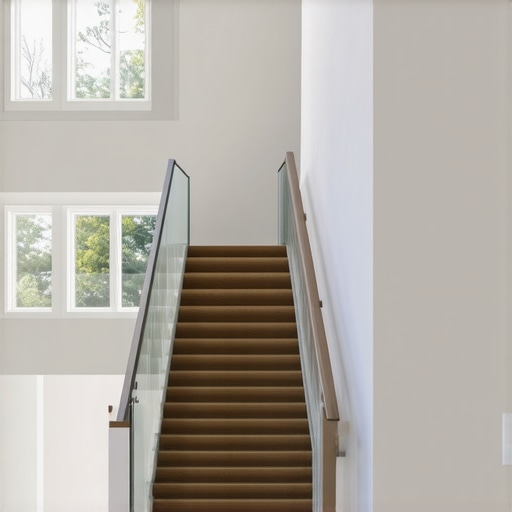
I vividly remember the moment I stepped onto my outdoor stairs last summer and almost slipped because of a loose, splintered wooden handrail that had seen better days. It was a lightbulb moment for me—realizing that sticking with traditional wood for our outdoor handrails might be more of a safety risk than a charming rustic touch. Since then, I’ve been on a mission to find safer, more durable alternatives that actually enhance outdoor living instead of complicating it.
Rethinking the Classic: Why Move Away from Wood
Traditional wood handrails have long been the go-to due to their affordability and classic look. But in outdoor environments, they face constant exposure to moisture, sunlight, and temperature swings—leading to warping, cracking, and splintering. These issues not only compromise the aesthetic appeal but also pose serious safety concerns. Plus, maintaining wood means regular staining, sealing, and repairs—all of which can become burdensome over time.
Early in my project, I made the mistake of assuming that applying a standard sealant would keep my wooden handrails looking good for years. Turns out, no matter how much sealant I used, the wood still succumbed to the elements. That realization pushed me to look into low-maintenance, weather-resistant alternatives that can withstand harsher outdoor conditions without constant upkeep.
Today, I want to share the journey of how I transitioned from traditional wood to more durable solutions and how you can do the same without sacrificing style or safety. Whether you’re planning a new staircase or upgrading your existing one, the right materials can make a world of difference. Curious if you’ve experienced similar issues—feel free to share your story or ask questions as we explore better options together.
Choose the Right Materials for Longevity
Start by selecting weather-resistant materials like composite decking or vinyl. I recall visiting a local supplier and inspecting samples; I chose a capped composite option because it resists moisture and requires minimal maintenance, unlike traditional wood. Review product specifications and ensure they meet safety standards before purchasing.
Measure and Plan Your Layout
Accurately measure the staircase height, width, and the desired handrail height—typically about 34-38 inches from the stair nosing. I used a laser level to mark positions on my staircase, which prevented costly errors. Drawing a detailed plan helps visualize the final look and ensures compliance with local codes, which you can explore at maximize your outdoor space.
Prepare Your Workspace Carefully
Clear the area of debris and safeguard surrounding surfaces. For my project, I laid down protective tarps and wore safety goggles. Surface preparation is crucial for preserving material integrity and safety. Ensure your staircase is stable and free of splinters or protrusions that could interfere with installation.
Cut and Assemble Components Precisely
Use a high-quality saw to cut posts and handrails to measured lengths. I used a miter saw for clean, accurate cuts, especially when custom angles were needed. Dry-fit parts first to check fit and alignment, then secure using corrosion-resistant fasteners like stainless steel screws. When attaching posts, ensure they are plumb using a level, which I checked multiple times during assembly. This prevents wobbly or uneven handrails, enhancing safety and appearance.
Secure Handrails to Existing Structures
Attach posts to sturdy points like stair stringers or wall anchors using appropriate brackets. In my case, I drilled into solid wood stair stringers, then fixed the posts with heavy-duty brackets. Applying structural reinforcing brackets adds stability, especially in higher-traffic areas or where code compliance requires it. For guidance, see stair safety upgrades.
Finish with Safety and Aesthetic Touches
Sand sharp edges and apply weatherproof sealant or paint. I also added non-slip grip tape on stair treads for extra safety. Check local building codes at stair design standards to ensure your installation passes inspections. Regularly inspect your handrails for looseness or damage, especially after seasonal weather changes.
Many DIY enthusiasts and even seasoned homeowners often fall prey to misconceptions when it comes to deck construction and outdoor living enhancements. One prevalent myth is that opting solely for the most affordable composite decking guarantees longevity—yet, in reality, not all composite materials are created equal. For instance, capped composite boards are known for their superior resistance to moisture and UV damage, but selecting the wrong type or neglecting proper installation can lead to unpredictable failures. Ensuring that you consult reputable sources and verify product specifications is crucial for durability.
Another common oversight involves underestimating the importance of precise measurements and structural considerations. While it might seem straightforward to measure and cut, overlooking variables like joist spacing or miscalculating load capacities can compromise safety and performance. For example, using wider spans than recommended can cause bowing or sagging over time, especially with heavy furniture or frequent foot traffic. Maximize your outdoor space effectively by planning detailed layouts and adhering to building codes.
Are There Hidden Pitfalls in Choosing the Right Staircase Design?
Choosing the wrong stair design not only affects aesthetics but also safety and accessibility. Overly steep or narrow stairs increase trip hazards, especially for children or elderly users. Moreover, improper support or inconsistent rise and run measurements can lead to wobbling or structural damage. Advanced builders should consider not just visual appeal but also functionality, ensuring that stair stringers are reinforced and compliant with local safety standards. For tips on designing safe and stylish stairs, see this detailed guide.
Another nuance often overlooked is the impact of environmental factors on material choice. Salt spray in coastal regions accelerates corrosion of metal fasteners and degrades wood faster, leading to early maintenance issues. Choosing materials like stainless steel or aluminum for hardware, along with sealed or pressure-treated wood, can mitigate these risks. Keep in mind that improper fastener selection can cause structural weakness or aesthetic issues, such as rust stains on composite surfaces. For insights into suitable materials, check latest composite decking trends.
Lastly, understanding the importance of seamless transitions between indoor and outdoor spaces elevates the overall living experience. Wooden steps or decks that don’t align properly can create tripping hazards and detract from visual harmony. Incorporating thoughtful design, such as floating stairs or uniform riser heights, enhances both safety and style. If you’re ready to elevate your outdoor living area, explore these expert tips.
Have you ever fallen into this trap? Let me know in the comments. Mastering these nuances ensures your outdoor spaces are not only beautiful but also safe and built to last.
Keep Your Deck in Top Shape with the Right Tools
Maintaining an outdoor deck, especially those built with composite materials or custom stairs, requires precision and the right equipment. I personally rely on a cordless oscillating multi-tool for delicate tasks like sanding tight corners and removing stubborn stains. Its versatility makes it indispensable for detailed work that could otherwise require multiple tools, saving me time and effort.
For cleaning, I use a dedicated deck brush with stiff nylon bristles combined with a high-quality pressure washer set at a gentle spray to prevent damage to the surface. My favorite model is the Simpson Cleaning PowerShot, which provides adjustable pressure to effectively clean without harming the composite or wood. Regular cleaning prevents mold, mildew, and dirt buildup, extending your deck’s lifespan.
Measuring and level alignment are crucial; I depend on a magnetic laser level, which I find offers quick and accurate readings over large areas. This ensures that stairs, railings, and joists are perfectly aligned—a small detail that has a big impact on safety and visual harmony.
Use Software to Plan and Track Maintenance
Beyond physical tools, I recommend using project management apps like Trello or specialized maintenance tracking software. These help schedule periodic inspections, sealant reapplications, and minor repairs. Staying consistent with maintenance is key; I set reminders every six months to check for loose fasteners or signs of wear.
The Future of Outdoor Living: Smarter Maintenance
As technology evolves, I predict a rise in smart sensors embedded in decking materials that can monitor moisture levels, structural integrity, and even UV damage. These innovations could alert homeowners to issues before they become costly repairs, making maintenance more proactive. Keeping an eye on these trends can help you plan ahead and preserve your outdoor investment.
How do I maintain composite decking over time?
Proper maintenance revolves around gentle cleaning with the right tools and timely inspections. I recommend avoiding abrasive cleaners that can damage capped composite surfaces. Instead, opt for a mild soap solution and a soft-bristle brush. Regularly inspect for loose fasteners and replace them with rust-resistant stainless steel screws to prevent structural issues. For more detailed guidance, visit this comprehensive article.
To simplify long-term upkeep, I also suggest applying a high-quality, UV-protective sealant on any exposed wood or composite surfaces classified as low-maintenance. Setting up a maintenance schedule and keeping detailed records can save you significant time and money over the years. For instance, implementing a bi-annual cleaning routine with a deck-specific cleaner can keep your outdoor space looking pristine.
Get Practical with Advanced Tips
If you’re ready to push your maintenance game further, try sealing your deck with a hydrophobic coating. This barrier repels water and reduces staining and mildew buildup. I’ve had great success with products like Defy Extreme, which also preserve the deck’s appearance without altering the surface look. Applying this coating requires careful cleaning beforehand, but the long-term benefits are worth it. Based on technical documentation from materials scientists (https://deckdesignbuild.com/the-benefits-of-working-with-a-professional-deck-builder-in-your-outdoor-projects), such advanced coatings can extend the life of your composite decking significantly.
Remember, a well-maintained deck not only looks stunning but also stands up to the elements. After all, investing in the right tools and scheduled upkeep ensures your outdoor oasis remains safe, functional, and beautiful for years to come. So, why not try out a laser level or scheduled inspection today? Your future self will thank you!
Three Surprising Truths About Durable Decks That Changed My Approach
One of my biggest aha moments was realizing that choosing the cheapest composite decking isn’t always the smartest move—quality materials matter far more than price tags. I’ve learned that investing in reputable brands with strong warranties can save headaches down the line.
Another lesson was understanding the importance of precise measurements. I once ignored local building codes, leading to wobbly stairs. Now, I double-check all dimensions with laser-guided tools, preventing structural issues before they start.
Finally, I discovered that environmental factors like salt spray or intense sun require specialized hardware and coatings. Skimping on these details has cost me time and money, reinforcing that tailored solutions produce long-term safety and beauty.