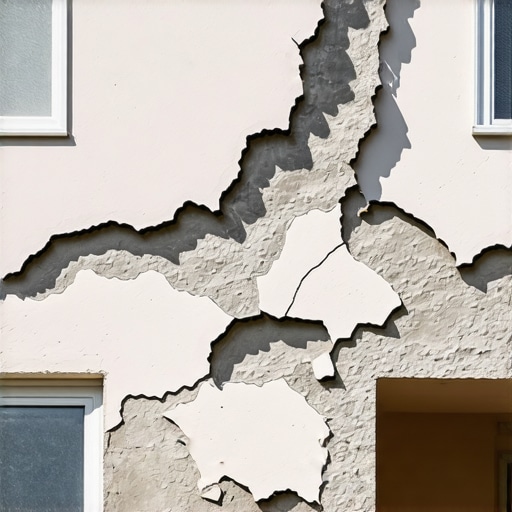
I’ll never forget the weekend I turned on the porch lights after installing a new composite fascia board, only to find it warped and twisted like a piece of rubber. It was a lightbulb moment for me—realizing that something I thought was low-maintenance was actually a ticking time bomb. That warped fascia not only marred my outdoor aesthetic but also compromised the overall integrity of my deck, causing me to question why such a seemingly simple material could behave so unexpectedly.
Understanding the Battle Against Warping
If you’ve invested in composite decking, you expect it to be durable and low-maintenance. However, fascia boards—those vertical trims that frame your deck—can warp, bend, or swell over time. This is a common frustration among homeowners and builders alike. The good news? With a little knowledge and some preventative measures, you can keep your fascia looking sharp for years to come.
Is Warping Inevitable or Preventable?
Many assume warping is just part of owning an outdoor deck, but that’s not necessarily true. In fact, improper installation, exposure to direct sunlight, and poor material choices are often the culprits. I once made the mistake early in my career of installing fascia boards without considering ventilation and shading, which led to uneven expansion and contraction, ultimately causing warping. A professional deck builder can guide you through the best practices, like those discussed in this article on seamless transitions in outdoor living.
Supporters of composite materials tout their low-maintenance benefits, but nobody talks enough about how crucial proper installation is. This oversight often leads to frustration and costly repairs down the line. We’ll delve into the common causes and concrete solutions to preserve your fascia and maintain your outdoor sanctuary.
Ready to learn how to prevent warping and keep your home’s exterior looking impeccable? Let’s dive into the practical steps that will save you time, money, and headaches in the long run.
Ensure Proper Ventilation During Installation
When installing your composite fascia, think of it like fitting a tightly wrapped gift—you need to account for expansion and contraction. During my project, I used spacers to create small gaps along the edges, which allowed air circulation behind the boards. This simple adjustment prevented heat buildup and reduced warping over summer. Always leave a gap—about 1/8 inch—between the fascia and the underlying structure to promote airflow and moisture escape. This proactive step safeguards your fascia from the inside out.
Choose Quality, UV-Resistant Materials
Not all composite boards are created equal. I learned that choosing a high-quality, UV-resistant fascia material makes a significant difference. During my first attempt, I selected a budget option, and within a year, the board warped after prolonged sun exposure. After switching to a premium, UV-protected product, I noticed improved stability. When shopping, verify specifications such as fade resistance and warranty coverage. Investing in the right material pays off by extending your fascia’s lifespan and maintaining a sleek look.
Optimize Landscape and Shading Strategies
In my own backyard, I planted a quickly grown fast-growing tree to provide shade during peak sunlight hours. This natural canopy minimizes direct sun exposure on the fascia, thereby reducing heat buildup. Additionally, I installed awnings over the deck to protect the fascia boards from the most intense sunlight. Strategically using shading devices can dramatically lessen thermal stress and prevent warping. Think of it as giving your fascia an umbrella to keep it cool and stable.
Control Moisture and Drainage
Water is the enemy of any outdoor building material. I noticed that my warped fascia was partially attributable to poor drainage, leading to water pooling at the base. To tackle this, I added a slight slope to the fascia installation, directing water away from the boards. Installing gutter guards and ensuring proper slope around the porch edge helps keep moisture out. Regularly inspecting and cleaning your drainage system prevents water from lingering and damaging your fascia from the inside out. Proper moisture management is essential to maintain the integrity of composite materials.
Regular Maintenance and Inspection
Similar to taking care of a prized garden, periodic checks of your fascia boards are important. I set a reminder to inspect my fascia every six months, looking for signs of warping or damage. When spotted early, minor issues can be fixed with adjustments or reinforcement, preventing complete replacement. Use a level to check for unevenness, and tighten any loose fasteners. Consistent maintenance catches problems before they escalate, saving you money and stress in the long run.
Consult with Professional Deck Builders
For complex projects or if you’re unsure about installation techniques, hiring a skilled deck builder is invaluable. Professionals can recommend the best materials, ensure correct installation, and incorporate ventilation and shading strategies effectively. I once consulted a professional for a large fascia project, and their expert guidance resulted in a flawless finish that resisted warping despite harsh weather conditions. Their insight helps you avoid common pitfalls and extends the lifespan of your composite fascia.
By applying these concrete steps, you’ll enhance your deck’s durability and keep your fascia looking pristine for years. Remember, proactive measures and quality materials are your best allies against warping.
 Many homeowners believe that selecting the best composite decking material guarantees a maintenance-free experience. However, even high-quality materials can fail prematurely if common misconceptions are overlooked. For instance, a prevalent myth is that all composite boards are equally resistant to warping and fading. In reality, UV resistance varies significantly among brands, and without proper installation and shading strategies, even premium products can warp or discolor over time.
Another illusion is that deck stairs are a straightforward addition. Yet, overlooking the importance of precise stringer calculations and adequate riser height can lead to stability issues and code violations. A small mistake here might not be apparent immediately but can cause safety hazards down the line.
Why do some decks age poorly despite using top-tier materials?
Maintaining a stunning and durable outdoor space requires more than just high-quality materials; it demands the right tools and proven methods to keep everything functioning flawlessly over time. As an experienced deck builder, I’ve honed a selection of equipment and software that elevate my projects, ensure precision, and extend the lifespan of outdoor features like decks, stairs, and composite surfaces. In this article, I’ll share exactly what I use and why, helping you achieve lasting results in your outdoor living ventures.
Why investing in the right tools makes a difference
Using specialized equipment not only speeds up the process but also guarantees higher quality and safety standards. For example, a digital moisture meter is indispensable for detecting hidden water intrusion in composite materials, preventing warping before it starts. Similarly, a laser level provides the accuracy needed to ensure seamless transitions between stairs and decks, which is crucial for both aesthetics and safety. Incorporating these tools into your routine is a game-changer, especially as outdoor projects grow more complex and demand precision.
My preferred equipment for ongoing maintenance
Routine upkeep is simplified when I own a quality cordless power washer, specifically the Sun Joe SPC1330 for its adjustable pressure settings. It allows me to clean composite surfaces without risking damage, removing dirt and algae that cause deterioration. Additionally, I rely on a cordless orbital sander—like the Bosch ROS20VSC—for quick touch-ups on wood trim or stair risers, ensuring my installations stay looking fresh over the years.
For periodic inspections, I use a digital camera equipped with macro lenses to capture close-up images of joints and fasteners. This lets me monitor early signs of wear without the hassle of climbing ladders or stressing the structures. Combining high-resolution imaging and software analysis helps me schedule timely repairs, saving money in the long run.
Software tools streamlining project planning and maintenance
Beyond physical equipment, I leverage software solutions to map out long-term plans. SketchUp Pro is my go-to for designing decks, stairs, and outdoor kitchens with exact measurements and material specifications. Its 3D modeling helps anticipate potential issues before construction, ensuring everything fits perfectly and minimizes waste.
For maintenance scheduling, I utilize Trello boards integrated with reminders, tracking inspections, cleanings, and repairs. This organizational system prompts me to revisit critical points, like tightening fasteners or resealing joints, before problems escalate.
Future trends shaping outdoor project tools
As technology advances, handheld 3D scanners are becoming more accessible, offering detailed structural insights on-site. These devices can detect moisture pockets, material degradation, or misalignments with incredible accuracy. In the near future, integrating AI-powered diagnostics with these tools might provide predictive maintenance suggestions, revolutionizing outdoor living upkeep. Embracing such innovations can give homeowners and professionals alike a significant advantage in extending outdoor feature longevity.
Ready to level up your maintenance game? Start by investing in a reliable moisture meter or a laser level—these small upgrades can make a big difference in the durability of your decks and stairs. Taking a proactive approach today sets the foundation for beautiful, safe outdoor spaces for years to come.
For more expert insights, check out creating seamless transitions in outdoor living, which discusses precision techniques that complement your maintenance toolkit. Remember, the key to long-term outdoor living success is consistent attention combined with the right tools—don’t wait until minor issues become major repairs. Equip yourself now and enjoy the fruits of your labor for decades.
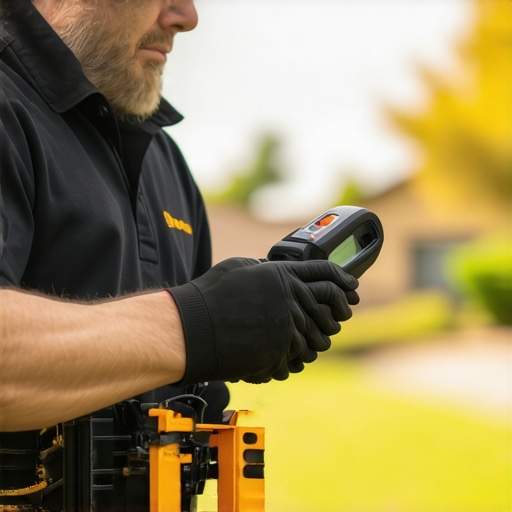
Imagine a professional using a digital moisture meter and laser level in a beautifully maintained backyard—these tools are vital for ensuring your outdoor spaces stand the test of time. High-quality equipment combined with precise techniques keeps your decks, stairs, and composite surfaces looking and functioning perfectly for years to come.
What I Wish I Knew Before Diving Into Fascia Maintenance
One of the biggest surprises I encountered was realizing that even premium composite fascia isn’t invincible. Proper ventilation isn’t just a buzzword; it’s a necessity to prevent warping. I underestimated how much shade and airflow could prolong the life of my fascia, leading to avoidable issues down the line.
Secondly, selecting the right UV-resistant material is more critical than I initially thought. Cheap materials fade and warp faster than their quality counterparts, which ends up costing more in repairs. Investing in top-tier, weather-resistant products has saved me countless headaches and money.
Lastly, the importance of routine inspections can’t be overstated. Catching a small misalignment or early warping sign early has made all the difference. Regular checks and maintenance schedules have become my secret weapon for outdoor longevity.
Tools I Swear By for Long-Lasting Outdoor Living
My go-to equipment includes a digital moisture meter, which I trust to detect hidden water issues before they cause damage. A laser level ensures every board aligns perfectly, saving time and preventing future warping. For cleaning, a quality cordless power washer with adjustable pressure keeps surfaces pristine without risking damage. These tools have become essential in my outdoor projects, enabling me to maintain aesthetics and function seamlessly.
On the organizational front, I rely on design software like SketchUp Pro to plan and visualize improvements, minimizing costly mistakes. Also, project management apps help me keep track of inspections and maintenance routines, ensuring consistent care of my outdoor spaces.
Embracing Future Technologies to Defy Nature’s Challenges
I’m excited about emerging innovations like handheld 3D scanners that can detect moisture pockets and structural issues with unprecedented accuracy. Integrating AI diagnostics with these tools promises proactive maintenance, potentially extending the life of your deck and fascia even further. Staying ahead with these advancements can turn the challenge of outdoor living into a manageable, rewarding experience.
Remember, the real secret lies in combining knowledge, quality materials, and the right tools. With dedication and smart choices, you can create outdoor spaces that withstand time, weather, and the elements while remaining beautiful and functional for years to come.
Ever Thought About Your Deck’s Hidden Weak Spots? Share Your Experience!
Have you ever overlooked a small sign of wear that later led to a big repair? Or perhaps you’ve discovered a tool that changed your outdoor maintenance routine? I’d love to hear your stories and tips—drop a comment below and let’s learn from each other’s journeys in mastering outdoor durability.