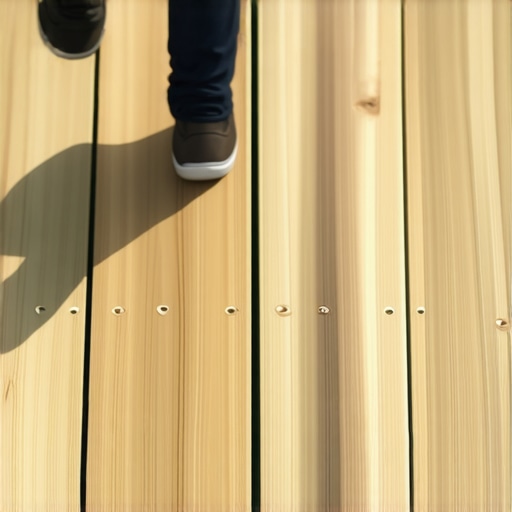
I remember the exact moment when I stepped onto my deck, expecting a peaceful moment outdoors, only to be greeted by that relentless squeak, squeak, squeak with each step. It’s like an unwelcome song that plays every time you walk—irritating, distracting, and downright frustrating. Honestly, I felt like I was back in a noisy office—only this time, I was supposed to be relaxing. Have you ever experienced that nagging noise turning your outdoor sanctuary into a source of annoyance? If so, you’re not alone. That squeak might seem minor, but over time, it can become a daily aggravation that hampers your outdoor enjoyment.
Why Squeaky Decks Ruin Your Outdoor Vibe—and How to Fix It
After countless restless nights and a few failed attempts with duct tape and quick fixes, I discovered something surprising: most squeaks are caused by simple issues that can be corrected without calling in a professional. The key is understanding what’s happening underneath your decking boards. Typically, squeaks happen because of loose nails, warping boards, or movement between the joists and the deck surface. Addressing these can dramatically reduce or eliminate the noise and restore the calm you deserve in your outdoor space. Did you know that improperly secured decking is one of the most common reasons for squeaks and creaks? In fact, studies show that a well-maintained deck can last about 10-15 years longer—and provide much more comfort—if squeaks are promptly tackled. Early on, I made the mistake of ignoring loose fasteners, thinking they were harmless. That only led to worsened noises and more stressful repairs later. Trust me, resolving these issues sooner rather than later pays off in comfort and peace of mind. Now, let’s dive into the specific steps that allowed me to silence my squeaky deck for good. Whether your deck is wooden or composite, the principles are similar, and you’ll find plenty of tricks that work—some of which you might never have thought of. Ready to reclaim your outdoor oasis? Stick around, because in the next sections, I’ll guide you through the exact techniques I used to make my deck quiet again.
Secure Loose Boards Thoroughly
Begin by inspecting each decking board for looseness. I grabbed my cordless drill and a box of stainless-steel decking screws—these are vital because they resist corrosion in outdoor environments. As I walked along, I noticed some boards lifting slightly. I marked these with a piece of chalk and started temporarily fixing one to demonstrate. I removed the affected board, drilled pilot holes into the underlying joist at every support point, and then drove in the screws. This process pulls the board tight against the joist, eliminating movement that causes squeaks. This first step, although simple, often yields immediate silence—saving you from ongoing frustration. For detailed guidance on securing boards effectively, check out expert tips at outdoor living ideas.
Tighten and Replace Fasteners
Next, I examined the fasteners—nails and screws—that hold the deck together. Nails tend to loosen over time, especially in exposed conditions, leading to creaks. I used a nail puller to remove any popping nails, then replaced them with corrosion-resistant screws—specifically designed for deck construction. For stubborn nails, a hammer and a nail setter helped sink them deeper, but I rarely rely on nails now. Screws provide a firm, secure grip, reducing movement. When working on composite decks, especially, using the correct fasteners is crucial; see expert insights at furniture tips. If your deck has multiple loose spots, this step alone can significantly diminish squeaks.
Address Warping and Gaps
Sometimes, squeaks stem from warped or swollen boards, often caused by moisture ingress or temperature fluctuations. I identified a few slightly bowed boards and decided to replace them. Using a circular saw, I carefully cut out the warped sections, ensuring minimal damage to surrounding boards. Before installing new ones, I checked the framing for stability—if the joists are loose, squeaks can persist even after replacing boards. I recommend a thorough inspection of your entire deck’s structure, especially if you notice uneven surfaces or gaps. For creative solutions on making your deck look seamless, explore custom composite ideas. Once new boards were cut to fit, I secured them tightly using the same screw method, ensuring no movement occurs when walking.
Use Lubricants and Anti-Squeak Products Thoughtfully
In some cases, tiny creaks come from the joints or between boards. I applied a spray-on deck lubricator or silicone-based lubricant along these seams. A light spray, followed by gentle movement of the boards, helped distribute the lubricant evenly. However, I was cautious not to overdo it—excess lubricant can attract dirt or degrade the material over time. For areas with persistent squeaks, I sometimes added plastic shims or pads between the joists and boards to absorb movement. These simple tricks complement the hardware fixes and gradually restore peace and quiet to your outdoor space. For further guidance on maximizing comfort, consider reading outdoor space ideas.
Regular Maintenance Prevents Future Noise
Finally, I established a routine check-up schedule. Every season, I walk the deck, tighten loose screws, and replace any compromised boards. This proactive approach regularizes squeak management before it worsens, saving time and effort later. This maintenance isn’t just about noise; it prolongs the lifespan of your deck, especially if you use quality materials like composite decking, which can last 25 years with proper care. For more on latest deck material trends, see decking trends 2025. Remember, addressing squeaks quickly transforms your outdoor experience from irritation to relaxation, letting you enjoy all the beauty your deck offers without distraction.When considering a composite deck, many believe that it requires less maintenance or that all products are created equal. However, these assumptions can lead to costly mistakes and disappointing results. One prevalent myth is that all composite decking holds up equally well in extreme weather conditions. In reality, the quality and composition of the material can vary significantly between brands, affecting durability and color stability. Opting for a lower-priced option without researching the manufacturer’s specifications often results in boards that warp, fade, or develop mold faster than expected. This is where understanding the nuanced differences in material formulations becomes crucial. According to industry experts, selecting products with UV-resistant caps and proven certifications ensures longevity and maintains their appearance over time.
What Advanced Deck Builders Know About Material Compatibility and Long-Term Performance
Many skilled professionals scrutinize the underlying structure and installation methods more than the superficial appeal. They realize that improper joist spacing or neglecting climate-specific considerations can cause premature wear, regardless of composite quality. Additionally, installing correctly designed outdoor stairs with the proper load-bearing capacity is essential; overlooking these details can compromise safety and longevity. An often-overlooked aspect is ensuring that the fasteners used are compatible with composite materials—using traditional nails or incompatible screws can lead to unsightly popping and increased maintenance. Experts recommend stainless steel or coated screws specifically designed for composite decks, which greatly reduce this issue. Studies have shown that when these nuances are addressed, composite decks outperform traditional wood in both aesthetics and durability, especially in humid or salt-spray environments. For example, latest trends in composite decking emphasize the importance of material selection and proper installation techniques. Remember, a beautifully built deck is as much about what you put into the planning and execution as it is about choosing the right materials. When you avoid these common pitfalls, you significantly extend your outdoor living space’s lifespan and comfort. Have you ever fallen into this trap? Let me know in the comments.
Keep Your Deck Working Its Best
Maintaining a high-quality composite deck requires the right tools and a proactive approach. Over the years, I’ve found that investing in specific equipment can make routine maintenance more efficient and effective. One essential tool I rely on is a cordless drill paired with a set of high-torque stainless steel driver bits. These allow me to tighten loose fasteners quickly without stripping screws or damaging the deck surface, ensuring longevity and safety. For inspecting the structural integrity of the decking and stairs, a digital moisture meter comes in handy. It helps me identify areas where moisture might be seeping in, which can lead to warping or mold if unchecked. Regularly checking for moisture is especially vital in climates with high humidity or significant rainfall, as composite materials are designed to withstand exposure but still need monitoring.
Another piece of equipment I recommend is a power washer with adjustable pressure settings. When cleaning the deck surface, using a gentle but effective pressure prevents damage while removing dirt, algae, or debris. I prefer models that have a wide spray pattern and variable pressure control, allowing me to target specific spots without risking the composite surface. Additionally, investing in a quality deck brush with synthetic bristles helps in scrubbing stubborn grime without scratching the material, especially around the boards’ edges and grooves.
How can I maintain my composite deck over time?
Many homeowners overlook the importance of periodic inspections and timely repairs. Creating a maintenance schedule—such as quarterly checks for loose fasteners, cracks, or discoloration—can extend your deck’s lifespan significantly. Applying a protective silicone-based spray or specialized composite deck sealant annually also adds an extra layer of defense against UV damage and staining. Remember, prevention is always better than repair. For example, regularly cleaning your deck with eco-friendly solutions prevents buildup of mold or mildew, which can compromise the deck’s appearance and durability. As composite decking technology advances, newer coatings and treatments offer even better resistance and easier maintenance. Stay ahead of potential issues by keeping your tools sharp and your cleaning routine consistent. For more on how to keep your outdoor space pristine and functional, explore modern design tips.
Your Toolbox for Lifelong Outdoor Comfort
To truly ensure your deck remains a sanctuary, consider adding a laser level for precise positioning when installing accessories or future components. Laser levels significantly reduce installation errors and help maintain a high level of craftsmanship, especially when expanding or modifying your deck. Moreover, a quality set of safety equipment—including gloves, eye protection, and ear protection—should always be part of your routine, particularly when using power tools or cleaning devices. Embracing these tools and habits will make maintenance less of a chore and more of an opportunity to enjoy your outdoor living space. As industry experts highlight, integrating advanced tools into your routine ensures not only aesthetics but also structural safety and durability in the long run. I recommend trying out a laser level for your next project—it’s a game-changer in achieving perfectly aligned stairs and railings, which are vital for safety and visual appeal. For deep dives into structural accuracy, see innovative outdoor ideas.
Over time, I realized that the true secret to a stunning outdoor retreat isn’t just in the design or materials but in the everyday details we often overlook. Silencing those persistent squeaks transformed my deck from a source of irritation into a haven of peace, boosting not only its lifespan but also my enjoyment. It’s a reminder that small, deliberate actions—like using the right fasteners or considering moisture management—hold the power to elevate your entire outdoor experience. Investing in these nuanced improvements pays dividends in comfort, durability, and that elusive sense of tranquility we all seek outside.
Lessons Hidden in the Details of Squeaky Decks
- Fasteners matter more than you think: Choosing corrosion-resistant, properly installed screws prevents looseness and squeaks that creep in over years of weather exposure.
- Structural health is a silent guardian: Regular inspections for moisture, warping, and loose framing save you from costly repairs and ongoing noise issues.
- Materials aren’t created equal: Innovative composite formulations with UV-resistant caps and proper fastener compatibility significantly extend your deck’s life and aesthetic appeal.
- Proactive maintenance beats reactive fixes: Establishing seasonal routines ensures your outdoor sanctuary remains silent and inviting for years to come.
- Beyond hardware—think design: Proper joist spacing, seamless transitions, and smart layout choices prevent future squeaks and enhance safety, especially on stairs and high-traffic areas.
Tools and resources that truly make a difference
- High-torque stainless-steel driver bits: Essential for ensuring fasteners stay tight without damaging your deck surface. I trust this over generic bits for durability and reliability.
- Moisture meters: Regularly checking moisture levels helps identify hidden issues before they escalate. It’s a game-changer in humid climates.
- Adjustable pressure washers: Gentle yet effective cleaning tools keep your composite decking looking fresh without risking damage—a necessity I swear by.
- Expert literature and guides: Dive into trusted resources like advanced installation techniques or maintenance schedules available through industry-leading websites to stay ahead of problems and trends.
Keep Your Deck Dreams Alive and Vibrant
Don’t let squeaks and wear diminish your outdoor oasis. By embracing a proactive attitude—armed with the right tools, knowledge, and mindset—you can enjoy a deck that remains stylish, safe, and whisper-quiet. Remember, great outdoor spaces aren’t built overnight but nurtured through ongoing care and attention. So, take the first step today, and your future self will thank you for turning that squeaky frustration into a symphony of serenity.
What are your go-to methods for maintaining your deck’s peace and beauty? Share your experiences below and help others create their perfect outdoor sanctuary!
,