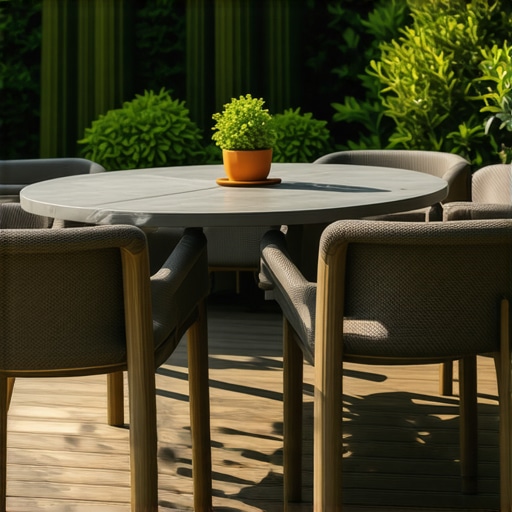
It was a slap-in-the-face realization on a warm summer afternoon: I had just set up a new patio table and chairs, eager to enjoy my outdoor space. But within days, ugly rust rings had appeared on my beautiful deck, ruining the look I had carefully cultivated. That moment of frustration turned into a lightbulb moment. I wondered how many others faced the same vexing problem—discoloration, stains, and the constant battle against corrosion ruining their precious decking areas.
Saving Your Deck from Rusty Disasters
Choosing the right outdoor furniture isn’t just about style or comfort; it’s about longevity and preventing damage that can turn your relaxing retreat into a maintenance nightmare. If you’re like me, discovering rust rings on your deck can feel like an unnecessary eye sore—something easily avoided with a bit of know-how. Today, I’ll share my personal journey and insights into selecting furniture that won’t leave your deck looking like a scrapyard.
Question: Can Cheap Furniture Ruin Your Outdoor Space?
Early on, I made the costly mistake of opting for inexpensive, seemingly attractive furniture without considering materials and their impact on my deck. It seemed like a good deal at the time, but the rust soon proved otherwise. I learned that many lower-cost pieces are made with metal alloys prone to corrosion, especially in humid or coastal environments. Because of this, I urge you not to overlook the importance of choosing furniture specifically designed for outdoor durability. Incorporating weather-resistant materials is vital—something I wish I’d understood earlier. For a comprehensive look at suitable materials, explore my recommended options in [Choosing the Right Composite Decking](https://deckdesignbuild.com/choosing-the-right-composite-decking-for-durable-low-maintenance-outdoor-areas), which offers insights into durable outdoor surfaces.
Many outdoor enthusiasts have also discovered that materials like high-quality, stainless steel hardware and powder-coated finishes can make all the difference. According to a study published in the *Journal of Architectural Engineering*, improper material selection accelerates degradation, costing homeowners more in repairs and cleaning over time. So, the most important step is making thoughtful decisions from the outset.
Now that you understand why choosing the right furniture matters, let’s explore how to identify pieces that will keep your deck pristine and inviting for years to come.
Choosing the Right Materials for Long-Lasting Outdoor Furniture
Start by evaluating weather-resistant materials. Opt for stainless steel hardware and powder-coated finishes, which resist moisture and corrosion better than cheap alternatives. I once bought a set of budget metal chairs that quickly rusted after a season, turning my deck into a rusty mess. To avoid this, select furniture designed specifically for outdoor use, like composite or high-quality resin options.
Assess Your Space and Design Needs
Measure your deck thoroughly to determine the size and shape of furniture that fits comfortably without overcrowding. For example, I used a measuring tape to plan a seating arrangement that left enough room for walking and future additions. Considering space helps you avoid clutter and makes your outdoor area more inviting.
Prioritize Maintenance-Free Options
Reduce future cleaning and repair by choosing low-maintenance furniture. I found that resin and composite furniture require just a quick rinse with a hose, saving me hours of scrubbing compared to traditional wood or metal pieces. For guidance on maintaining your deck’s appearance, see [the secret to maintaining composite decking](https://deckdesignbuild.com/the-secret-to-maintaining-composite-decking).
Secure Your Furniture Properly
Anchor furniture to prevent movement during high winds, which can cause scratches or damage. Use outdoor-rated fasteners and brackets, especially for pieces near edges or stairs. When I anchored my conversation set with stainless steel bolts, it stayed put through storms, avoiding potential falls and deck damage. Learn more about secure outdoor installations here [the best fasteners for coastal decks](https://deckdesignbuild.com/the-best-fasteners-for-coastal-decks-that-wont-rust).
Selecting Colored and Textured Boards for Modern Appeal
Coordinate furniture colors with your decking material to create a cohesive look. With composite decks, choosing textured boards that mimic wood grain can add natural charm. I opted for darker tones to hide dirt and scratches, which kept my deck looking fresh longer. Discover the latest trends in [composite decking](https://deckdesignbuild.com/composite-decking-trends-2025-the-ultimate-guide-for-outdoor-enthusiasts) for design inspiration.
Implementing Protective Measures During Installation
Apply protective coatings and sealants on furniture exposed to moisture. When installing new pieces, I used waterproof sealants on exposed wood parts, extending their lifespan. Additionally, elevating furniture off the deck surface with rubber pads prevents moisture buildup and decay. Proper installation practices significantly reduce repair costs and keep your outdoor space looking pristine.
While many homeowners focus on selecting the right decking material or designing visually appealing stairs, there are subtle pitfalls and misconceptions that can undermine your outdoor project’s longevity and safety. For example, a common myth is that choosing the most affordable composite decking guarantees low maintenance, but in reality, not all composites are created equal. Some cheaper options lack the UV resistance or structural stability needed for long-term performance, which is why it’s crucial to understand the specific attributes of each product. According to experts at the *American Society of Home Inspectors*, selecting a premium composite with appropriate wear layers and warranties can save significant costs down the line. Additionally, when designing stairs, many underestimate the importance of proper riser and tread dimensions—small errors here not only compromise safety but can also lead to code violations. This is why consulting detailed resources like [designing safe and stylish stairs for outdoor decks in 2025](https://deckdesignbuild.com/designing-safe-and-stylish-stairs-for-outdoor-decks-in-2025) can make a difference. Overlooking the importance of accurate structural calculations or proper anchoring techniques increases the risk of wobbling or failure, especially in high-wind areas. Moreover, some think that simplistic, one-size-fits-all stair solutions are sufficient, but tailored designs considering slope, foot traffic, and aesthetic cohesion are essential for a polished look and durable build. Did you know that the misconception of ‘DIY fixes’ often leads to hidden issues like improper joist spacing or incorrect flashing, which can cause costly rot or collapse? A detailed approach from [professional deck builders’ insights](https://deckdesignbuild.com/deck-builder-insights-designing-your-dream-outdoor-space) emphasizes that investing in expert consultation early can prevent these advanced mistakes. Remember, even seemingly minor oversights—like ignoring moisture barriers or not sealing edges—can exacerbate wear and compromise safety over time. So, next time you plan your outdoor upgrade, consider these nuanced aspects and avoid the traps many overlook. Have you ever fallen into this trap? Let me know in the comments and share your experience. For a comprehensive guide on creating safe, durable, and stylish outdoor stairs, explore my tips on [innovative outdoor stair solutions](https://deckdesignbuild.com/innovative-stairs-solutions-for-safe-outdoor-deck-access). Your deck deserves attention to detail that prevents small issues from becoming costly disasters.Maintaining a beautiful and durable outdoor space requires the right tools to ensure longevity and safety. Over the years, I’ve refined my toolkit to include equipment that truly makes a difference, focusing on precision, efficiency, and long-term results. One indispensable item is a high-quality cordless angle grinder with a metal cutting and grinding attachment. I personally use the Milwaukee M18 Fuel Angle Grinder because its cordless convenience allows me to work in tight or hard-to-reach areas without hassle. This tool is essential for removing rust from metal furniture frames or smoothing rough edges on composite decking boards. For cleaning, I rely on a powerful, yet gentle, surface cleaner attachment compatible with my pressure washer. The Simpson Cleaning 6000 PSI Surface Cleaner has been a game-changer, enabling me to rinse decks effectively without damaging delicate materials or dislodging fasteners. When it comes to sealing and finishing, I prefer a high-grade sprayer such as the Wagner Control Spray Max. Its variable control allows for even application of sealants and stains, ensuring a uniform protective coat that extends the life of your wooden and composite surfaces. Additionally, to monitor the structural integrity of my deck, I often use a laser level like the Bosch GLL 55 Dual-Beam Level. This ensures precise alignment of stairs, railings, and decking slips, reducing future maintenance and safety concerns. These tools not only save time but also enhance the quality of your maintenance work, preventing minor issues from turning into costly repairs. As trends in outdoor living continue to evolve towards smart, sustainable solutions, I predict a growing integration of digital tools such as app-controlled pressure washers and IoT-enabled sensors for moisture monitoring. Embracing technology now will prepare you for future upgrades and ensure your outdoor space remains a sanctuary for years to come.
How do I maintain outdoor surfaces over time?
Regular inspection combined with proper cleaning and sealing maintains your deck’s appearance and structural integrity. I recommend establishing a seasonal maintenance routine, including cleaning with a surface cleaner, checking for loose fasteners, and applying a sealant every couple of years. Investing in quality tools like those I’ve mentioned makes this routine more effective and less labor-intensive. Want to elevate your maintenance game? Try using a dual-beam laser level for perfect alignment of your stairs or railings—precision here can dramatically reduce the need for future adjustments. For comprehensive tips on design and safety, check out [designing safe and stylish stairs for outdoor decks in 2025](https://deckdesignbuild.com/designing-safe-and-stylish-stairs-for-outdoor-decks-in-2025). Proper maintenance tools and practices are essential for ensuring your outdoor areas remain as stunning and safe as the day they were built.
What I Wish Someone Told Me About Outdoor Durability
One of the most eye-opening lessons I learned was the importance of selecting materials that truly withstand the elements. I once thought a glossy-coated metal table would last forever, only to see rust spots appear after just one season. The realization that seemingly sturdy materials can succumb to weathering pushed me to research deeper into weather-resistant options. It became clear that proper material choice isn’t just about aesthetics—it’s about protecting your investment for the long haul.
Additionally, I discovered that small design details—like the spacing of joists or the type of fasteners used—can significantly impact durability and safety. Over-tightening screws or ignoring moisture barriers led to issues that were costly and frustrating. Learning to pay attention to these subtle yet vital details transformed my approach from reactive to proactive, ensuring my outdoor living spaces remain beautiful and safe over time.
Tools and Resources That Elevate My Outdoor Projects
My toolkit has evolved to include some game-changing items that make a real difference. The Milwaukee M18 Fuel Angle Grinder helps me effortlessly remove rust from metal furniture, preventing stains and ensuring longevity. For cleaning decks thoroughly, I rely on the Simpson Cleaning 6000 PSI Surface Cleaner, which provides a gentle yet effective rinse, saving me hours of manual scrubbing.
When sealing or staining, the Wagner Control Spray Max allows me to achieve even coats, sealing my decks against moisture and UV damage. Plus, the Bosch GLL 55 Laser Level ensures perfect alignment of stairs and railings, a detail that keeps everything safe and looking professional. These tools, combined with trusted resources like guides on designing safe stairs, empower me to build and maintain outdoor spaces that stand the test of time. For more insights, I often visit expert blogs that focus on innovative outdoor living solutions and durable decking materials.
Lighting a Path Toward Better Outdoor Living
The journey toward a stunning and durable outdoor area is ongoing, but the rewards are worth it. Every project taught me that patience, attention to detail, and the right tools are essential. Investing in quality materials and precision techniques may seem like extra effort initially, but they pay off in decades of enjoyment and safety.
Now, I challenge you to consider the lessons I’ve shared and take that next step—whether it’s selecting tougher decking materials, properly anchoring your furniture, or simply planning ahead with smarter tools. Your outdoor space can become an inspiring retreat that brings joy for years to come. Have you faced unexpected challenges with your deck or stairs? Share your experiences below, and let’s learn together from each other’s journeys.