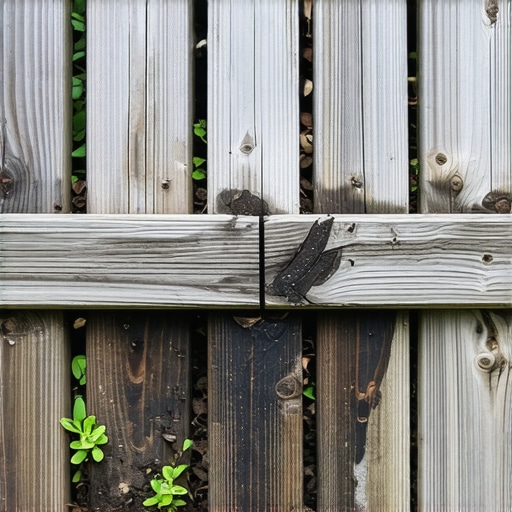
I remember the exact moment I noticed the rot at the base of my stair stringers. The wood looked suddenly soft, almost like it was melting away, and I felt that sickening realization that I might have overlooked a crucial detail during installation. That lightbulb moment hit me hard—decay wasn’t just a cosmetic issue; it threatened the safety and longevity of my entire outdoor staircase.
As a passionate DIYer and outdoor living enthusiast, I’ve faced my fair share of setbacks with deck projects. But figuring out why my stair stringers were rotting at their bases opened my eyes to the importance of proper footing and moisture management. Today, I want to share what I’ve learned from personal experience and expert insights so you can protect your stairs from the same fate.
Why Your Stair Stringers Are Rotting at the Base and How to Prevent It
Rotting at the base of stringers isn’t just an annoyance—it’s a warning sign of deeper issues that can compromise safety and cost you more in repairs down the line. The main culprit? Moisture exposure. When water seeps into unprotected wood, especially at the ground contact point, it triggers decay and pests that love damp environments. Poor ventilation and inadequate drainage only worsen the problem.
Early on in my project, I made a critical mistake by not installing a proper landing pad or using pressure-treated wood rated for ground contact. This oversight allowed moisture to wade into the wood, accelerating rot. I learned the hard way that understanding the environment and selecting the right materials make all the difference.
According to the Forest Products Laboratory, improper maintenance of deck and stair components leads to increased decay rates, shortening lifespan significantly (source: [USDA Forest Service](https://www.fs.usda.gov)). They emphasize the importance of reliable drainage and moisture barriers—lessons I wish I had embraced from the start.
If you’ve encountered similar problems or are worried about future rot issues, you’re not alone. So, what can you do to avoid ending up fixing rotted stairs every few years? Let’s get into practical strategies and expert tips to safeguard your outdoor stairs from the elements and ensure they remain safe and beautiful for years to come.
Select Appropriate Materials from the Start
Begin by choosing pressure-treated lumber rated for ground contact or composite alternatives designed to resist moisture, like capped composite decking. When I rebuilt my stairs, I opted for composite stringers, which are less prone to rot and require less maintenance.
Ensure Proper Ground Leveling and Drainage
Make sure the ground beneath your stairs slopes away from the structure to prevent water pooling. I used gravel and a slight slope to facilitate drainage during my project, which significantly reduced moisture accumulation at the base. Think of it as giving water a clear path to escape, not a puddle to settle in.
Install a Solid, Elevated Base
Place the stringers on concrete pads or pressure-treated risers that lift them above the soil. This creates a barrier between wood and moisture. During my build, I used a level to ensure a consistent height, which prevented water from collecting at any point. This method is like creating a little island for your stairs, keeping them dry.
Apply Effective Moisture Barriers
Seal the bottom of the stringers with a bituminous paint or a dedicated wood preservative to block moisture ingress. I painted the base with a waterproof sealant, which is similar to adding a raincoat to the wood. For added protection, I also installed a plastic skirt around the base to deflect splashback.
Improve Ventilation and Airflow
Allow air to circulate freely around the stringers by avoiding soil-tight contact. Use spacer blocks or metal hangers to lift the wood off the ground slightly. When I set up my stairs, I left a small gap between the ground and the bottom of the stringers, which facilitated drying after rain and reduced rot risk.
Implement Excellent Drainage Solutions
Incorporate drainage channels or weep holes to direct water away from the base. During my project, I created small gaps in the gravel bed to promote runoff, similar to how a driveway slopes to drain water effectively. This minimizes prolonged moisture contact that accelerates decay.
Regular Inspection and Maintenance
Schedule routine checks for signs of wear, decay, or pests at the base. I set a calendar reminder every spring to inspect my stairs, ensuring early detection of problems. Treat any detected rot immediately with preservative or consider replacing affected sections before structural compromise occurs.
By following these actionable steps, you transform your outdoor stairs into resilient structures that withstand moisture and time. Remember, the key lies in proper material selection, drainage, and proactive maintenance, making your outdoor space safer and more durable in the long run. For innovative ideas on customizing your stairs, explore these solutions for safe outdoor stairs.
Many outdoor living enthusiasts believe that selecting composite decking is a straightforward decision—pick the color you like, and install it. However, this oversimplification can lead to costly mistakes and missed opportunities for long-term durability and safety. Let’s dig deeper into what most people get wrong about composite decking and outdoor stairs to help you make smarter choices.
One widespread myth is that all composite materials are equally durable. In reality, many assume that capped composite boards are invincible, but not all brands or formulations are created equal. According to a recent study by the Sustainable Materials Institute, the quality of the cap and core layers significantly impacts resistance to fading, staining, and scratching. Therefore, understanding the specific composition and choosing a reputable brand, such as those highlighted in [these trends for 2025](https://deckdesignbuild.com/composite-decking-trends-2025-the-ultimate-guide-for-outdoor-enthusiasts), can save you headaches later.
Another mistake is neglecting proper installation details that impact long-term performance. For example, many installers overlook the importance of correct spacing between boards, which is critical for expansion and contraction—especially in climates with fluctuating temperatures. Without accounting for this, boards can warp or buckle over time, and the gaps can trap debris or moisture, accelerating decay.
Let’s address a common trap: assuming that pressure-treated wood is always more affordable than composite. While initial costs appear lower, the ongoing maintenance and replacement costs of wood often outweigh the upfront savings. Moreover, improper material choices can compromise safety, particularly in stairs where slips and trips are risks. To see how a skilled [deck builder](https://deckdesignbuild.com/how-a-skilled-deck-builder-can-turn-your-garden-into-a-private-oasis) can elevate your project, consider consulting professionals who understand these nuances.
Have you ever fallen into this trap? Let me know in the comments.
When it comes to building stairs, many overlook the importance of exact measurements and structural reinforcement. A minor miscalculation in rise or run can lead to unstable stairs that wobble or feel awkward to use. Advanced builders are mindful of code-compliant dimensions and load calculations, often referencing [designing safe and stylish stairs](https://deckdesignbuild.com/designing-safe-and-stylish-stairs-for-outdoor-decks-in-2025) to ensure both safety and aesthetic appeal.
Furthermore, the importance of moisture management in stair stringers cannot be overstated. Using materials with proper sealing and elevating them adequately above ground can prevent rotting—a hidden nuance that many beginners ignore. Regular inspections and maintenance become indispensable in preserving the integrity of your deck and stairs over decades.
In summary, understanding these nuanced aspects of composite decking and outdoor stair construction helps you avoid costly mistakes and safety hazards. Do your research on materials, pay attention to installation details, and consider consulting expert guides like [maximizing outdoor space](https://deckdesignbuild.com/maximizing-outdoor-space-inspiring-deck-and-stair-ideas-for-every-budget) to fine-tune your project. Being informed makes all the difference in creating a durable, beautiful outdoor oasis.Maintaining your outdoor living space requires not only the right mindset but also the proper tools and methods to ensure longevity. From inspection to cleaning and minor repairs, selecting specialized equipment can save you time, money, and frustration. I personally rely on a few key tools that have proven invaluable in my projects.
First, a **laser level** is indispensable when ensuring your deck’s structure remains true over time. Unlike traditional bubble levels, laser levels provide perfectly aligned horizontal and vertical lines over large areas, simplifying post height adjustments and ensuring your stairs remain even after years of exposure. I use the **DEWALT DW089LG** model because of its reliability and precision, particularly when setting complex staircase angles or rechecking existing structures.
Next, a **rotary hammer with masonry bits** is essential for installing concrete pads or securing wooden supports on uneven ground. I prefer the **Bosch RH228VC** because it offers adjustable speed control and excellent vibration reduction. Properly anchoring your base prevents moisture infiltration and rotting, especially when elevating structures above the ground.
For cleaning, a **pressure washer** with adjustable nozzles, like the **Sun Joe SPX3000**, allows for deep cleaning without damaging composite surfaces. Applying a **wood-safe cleaning solution** afterward, such as **Oxivir TB**—a hospital-grade disinfectant safe for outdoor use—helps maintain the appearance and hygiene of your deck and stairs.
A **digital moisture meter** helps monitor the wood’s moisture content, alerting you when it’s time for sealing or re-coating. I recommend the **Lignomat Moisture Meter**, which offers quick readings and precise measurements, enabling proactive maintenance and avoiding rot issues.
Lastly, a **sliding miter saw** is fantastic for making clean, exact cuts when fitting new boards or trimming components. I opt for a **Bosch GCM12SD** because of its smooth glide system and accurate bevel adjustments, which keep your joints tight and structurally sound.
Looking ahead, I believe the trend toward **smart outdoor maintenance** will accelerate, with RFID-tagged components and IoT-enabled sensors monitoring structural health in real time. This technological shift could reduce guesswork and extend the life of your decks.
How do I maintain my outdoor stairs as they age? Regular inspections—at least biannually—are critical. Use your moisture meter to check for hidden decay, and reapply waterproof sealants every 3-5 years. Keep the drainage systems clear, and promptly address any signs of wear or loosened fasteners. Incorporate these advanced tools into your routine, and you’ll see a significant difference in your deck’s durability.
Three Surprising Truths I Discovered About Outdoor Stairs and Composite Decks
One of the most valuable lessons I learned was that the smallest detail, like proper ground leveling, can make or break your project—avoiding rot begins with the ground up. Another revelation was how crucial it is to select materials rated for ground contact; skipping this leads to unnecessary decay, even when you think you’ve done everything right. Lastly, I realized that regular inspections and proactive maintenance significantly extend your stairs’ lifespan, saving you time and money in the long run. These lessons reshaped my approach and can do the same for you if you’re committed to durable outdoor living.
My Go-To Gear and Resources for Building and Maintaining Outdoors
I rely heavily on a high-quality laser level, like the DEWALT DW089LG, for precise measurements that keep my stairs even and safe. For cleaning and sealing, a pressure washer combined with a trusted waterproof sealant helps maintain the beauty and integrity of composite decks. When inspecting moisture levels, the Lignomat Moisture Meter offers quick, accurate readings—crucial for early rot detection. For planning future projects or upgrades, I turn to expert guides such as these solutions for safe outdoor stairs and stay updated through trusted industry trends. These tools and resources form the backbone of my outdoor maintenance toolkit and can empower you to build smarter and maintain longer-lasting outdoor spaces.
Your Next Step Toward Resilient, Beautiful Outdoor Living
Investing in your outdoor space is an act of love—not just for your home but for your well-being. Every step you take toward understanding proper materials, installation techniques, and maintenance practices counts toward creating a safe and inviting environment that endures. I encourage you to start now; the satisfaction of a well-built, rot-resistant staircase is worth every effort. Remember, you’re capable of transforming your outdoor area into a stunning oasis that stands the test of time. Now, tell me—what’s the first change you’re planning to make to boost your stairs’ durability? Drop your thoughts below and let’s grow together in this journey toward outdoor excellence.