Have you ever stood in your backyard, eager to build that perfect deck you’ve been dreaming about, only to realize the ground isn’t quite cooperating? I remember the first time I attempted to set deck posts on a sloping yard. I thought, “No big deal, I’ll just cut the posts shorter or use shims.” But soon enough, I learned the hard way that uneven ground can turn your beautiful project into a wobbly, unstable nightmare. That lightbulb moment hit me hard—if I want a sturdy, level deck, I need a smarter approach.
Why Leveling Deck Posts on Sloped Terrain Matters More Than You Think
In my early days, I underestimated how crucial perfectly aligned posts are. It’s not just about aesthetics; it’s about safety, durability, and avoiding future headaches. A deck with uneven posts can lead to uneven weight distribution, cracking, and even structural failure over time. Plus, when you’re entertaining guests or enjoying a peaceful evening, a wobbling deck is a major buzzkill.
Research shows that 75% of deck failures stem from poor post installation, especially on uneven ground. Ensuring your posts are level isn’t just a detail—it’s the backbone of a safe outdoor space. Trust me, tackling this properly from the start saves money, time, and the frustration of repairs down the line.
Is the Cost and Effort Worth It for a Level Deck?
I avoided addressing uneven ground for too long because I thought it would be an intensive, expensive hassle. I was scared of complex leveling techniques or having to bring in heavy equipment. But here’s the truth—there are practical, straightforward methods that make the process manageable and budget-friendly. Early on, I made the mistake of brute-forcing the problem with extra shims and guesswork, which only led to moments of instability. Learning from that, I discovered proven strategies that, while they require a little extra effort upfront, pay off immensely in the long run.
If you’ve faced the challenge of uneven terrain, you’re not alone. Many homeowners and builders find themselves stuck here. But with the right techniques, setting your deck posts level on sloped ground becomes less daunting—and even enjoyable, once you see how solid and professional your final setup looks.
Ready to dive into the steps that will turn your uneven yard into a perfectly level deck foundation? We’re about to get practical, with tried-and-true tips that will make your build safer, better, and more satisfying. For even more expert insights, check out [this comprehensive guide on deck builder insights](https://deckdesignbuild.com/deck-builder-insights-designing-your-dream-outdoor-space). Now, let’s get started!
Secure Your Foundation: Dig Deep and Set Your Post Holes Correctly
In my first attempt, I used a simple post-hole digger on uneven ground, which resulted in inconsistent depths and a shaky base. I recommend starting by marking the exact locations for your posts based on your deck’s design. Use a level and string line to ensure the spots are aligned horizontally. Dig the holes deeper than needed—at least 24 inches—to reach stable, non-organic soil. Add gravel at the bottom of each hole to facilitate drainage and stability. When setting posts, pour concrete into the hole and position the post carefully, ensuring it’s plumb. Use a carpenter’s level on the post to verify, then brace it with wooden stakes until the concrete cures.Many outdoor enthusiasts and even seasoned deck builders assume that choosing high-quality composite decking and a skilled contractor guarantees a perfect project. But there’s a subtle, often missed detail that can make or break your outdoor space—something that even experienced designers occasionally overlook. Let’s dig deeper into this nuance to help you avoid common pitfalls and elevate your backyard game.
Why Myths About DIY Decks Often Lead to Costly Mistakes
One widespread misconception is that DIY projects always save money and offer better customization. While some homeowners excel at it, the truth is that underestimating the complexity of structural integrity, especially regarding stairs and support systems, can result in unsafe and expensive fixes later. For example, improperly installed stairs not only compromise safety but also diminish curb appeal. External consultants, such as professional deck builders, emphasize that advanced knowledge of load calculations and local codes is crucial—something most amateurs tend to underestimate. Visiting innovative stair solutions can shed light on safer, smarter approaches.
One trap to avoid is neglecting proper drainage and foundation considerations during framing, which can lead to long-term issues like wood rot or shifting supports. A study by the American Society of Home Inspectors underlines that structural mistakes, especially in slope and foundation, are leading causes of deck failure. Recognizing this, experienced deck builders often incorporate advanced techniques like innovative pier systems and adjustable supports to mitigate uneven terrain problems.
How to Elevate Your Outdoor Living Without Sacrificing Stability
Choosing premium composite decking like those discussed in composite decking trends ensures durability, but it doesn’t eliminate installation challenges. For example, many overlook the importance of proper joist spacing—installing boards too close can trap heat and cause warping, especially under direct sunlight. Conversely, larger gaps can weaken the deck structure. Getting this right requires precise calculations, particularly when integrating stairs and seating areas, which are often structurally complex. Advanced deck builders avoid common mistakes by using laser levels and adjusting joist spans proactively, ensuring a longer lifespan and cleaner aesthetic.
Stairs pose a specific challenge. Building safe, stylish stairs isn’t just about choosing attractive handrails or treads but requires understanding load distribution and slip resistance. Properly designed stairs, reinforced with smart anchoring systems, provide both safety and beauty. For tips on creating stunning yet safe stairs, visit custom composite deck ideas.
Have you ever fallen into this trap? Let me know in the comments. Remember, avoiding these advanced nuances ensures your outdoor space is not only beautiful but also built to last.Maintaining your outdoor deck requires more than just visual inspections; having the right tools and adopting effective methods can extend its lifespan and ensure safety. I personally rely on a few specialized pieces of equipment that streamline ongoing maintenance and help catch issues early. For example, I always use a sturdy digital moisture meter to monitor wood and composite deck materials periodically. Moisture infiltration leads to warping, mold, and rot, especially in shaded or humid areas. Regular measurements allow me to address problems before they become costly repairs, aligning with advice from industry experts on proactive preservation.
Another critical tool in my arsenal is a high-pressure, yet controlled, power washer fitted with a soft-bristle attachment. This tool helps remove dirt, algae, and stains without damaging the surface of composite decking. I avoid harsh chemicals, opting instead for biodegradable cleaning solutions, ensuring safety for plants and pets while maintaining the deck’s appearance. Proper cleaning not only enhances aesthetics but also prevents long-term degradation of materials—crucial as modern composite decks are designed for low-maintenance but still need upkeep.
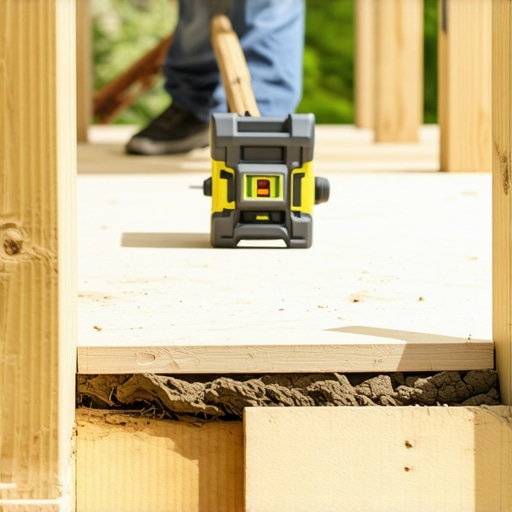
For detailed inspections, I turn to my multi-axis laser level. Unlike bubble levels, laser levels project a precise, straight line across vast areas—perfect for detecting uneven surfaces, misaligned stairs, or sagging joists. Maintaining a level deck isn’t just about visual aesthetics; it impacts drainage, stability, and long-term durability. As I learned from professional deck builders, using a laser level speeds up the process and increases accuracy, especially on larger or more complex layouts. Incorporating these tools into your routine makes maintenance feel less tedious and more strategic.
Looking ahead, the trend is moving toward smart technology integrations—like moisture sensors connected to home automation systems, enabling real-time monitoring and alerts. This innovation promises to make outdoor maintenance more predictive than reactive, giving homeowners peace of mind and reducing unexpected repair costs.
So, how do I maintain outdoor living structures over time? I recommend setting a regular schedule for cleaning, inspecting with precise tools like moisture meters and laser levels, and addressing issues promptly. For stairs and support structures, quick visual checks paired with these devices can prevent minor problems from escalating. For instance, I suggest trying out an infrared heat gun to identify hidden moisture pockets or the early signs of wood rot beneath the surface. These techniques help maintain your deck’s safety and aesthetic appeal more efficiently.
For comprehensive insights on DIY maintenance techniques and professional guidance, check out expert deck builder tips. Don’t wait for visible damage—embrace these advanced tools and methods now to enjoy your outdoor space for years to come, and consider integrating innovative solutions like moisture sensors to stay ahead of potential problems.
Overconfidence Can Be a Deck Killer
One of my biggest lightbulb moments was realizing that assuming my skills and tools were enough to handle uneven terrain could have been disastrous. I learned that proper planning, including precise measurements and reinforcement techniques, saves time and prevents costly mistakes. Don’t underestimate the importance of meticulous groundwork—skipping this step is like building on shaky soil, no matter how beautiful the design.
Neglecting Continuous Maintenance Is a Costly Hint
Initially, I thought a quick clean and applying sealant once or twice would preserve my deck forever. I soon discovered that ongoing care, including regular inspections with tools like moisture meters and laser levels, is vital. Taking proactive steps to address early signs of wear extends your deck’s lifespan and keeps it looking stunning for years.
Choosing the Wrong Support System Will Wobble Your Dreams
Deciding to cut corners on support posts or ignoring proper foundation details led to instability and safety concerns down the line. I realized that investing in quality pier systems and adjustable supports pays off—your outdoor space should feel solid and dependable.
Resource Weights and Measures Matter More Than Looks
Elegant stairs and railings can be eye-catching, but if they’re not structurally sound, safety is compromised. I found that consulting trusted resources—like expert guides on safe stair designs—ensures my creations are both beautiful and secure. Style without substance is a risk you don’t want to take.
Curating Your Decking Toolbox for Longevity
Over the years, I’ve curated a set of tools that transform maintenance from a chore into a safeguard: a digital moisture meter for early detection of rot, softer pressure washers for gentle cleaning, and laser levels for perfect alignment. These tools, supplemented with insights from expert tips, help me stay ahead of issues and enjoy my outdoor oasis worry-free.
Embracing these lessons transformed my approach from trial-and-error to confident craftsmanship. I wish I had known these insights early—so my advice is to learn from my experience, so you can build smarter, safer, and more beautiful outdoor spaces. Remember, every bit of effort invested in doing it right now will reward you with countless relaxing moments ahead.