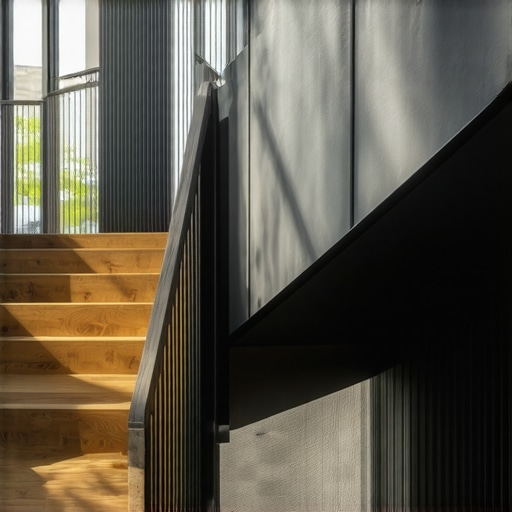
It was a sunny Saturday morning when I stepped out onto my deck and realized something was off. The faded, splintering wood railing looked more tired than inviting, and just the thought of sanding, staining, and constantly maintaining it made me groan inwardly. That moment was a lightbulb for me—it became clear I needed a better solution, not just for durability but for peace of mind. So, today, let me share why I decided to move away from traditional wood railings and how it can benefit you too.
Rethinking Outdoor Safety and Aesthetics
For years, I believed that a classic wood railing was the ideal choice—timeless, charming, easy to customize. But, as time went on, I faced one recurring issue: constant upkeep. The weather was relentless, turning my beautiful railing into a weathered eyesore. Additionally, splinters, rot, and the looming concern of maintenance costs started to outweigh the nostalgic charm.
Research shows that composite decking and railing materials can last up to 25 years with little to no maintenance, compared to traditional wood which deteriorates much faster. This realization guided my transition and can do the same for you if you’re tired of ongoing repairs and safety concerns.
Is Traditional Railing Still Worth It in 2025?
One mistake I made early on was underestimating the importance of investing in quality materials from the start. I initially opted for budget wood, thinking it would save me money—only to spend more on repairs later. That experience taught me a crucial lesson: choosing the right materials from the beginning saves both time and money in the long run.
If you’re feeling overwhelmed by the options or skeptical about switching to alternatives like composite decking, you’re not alone. But trust me, the decision to ditch traditional wood railings opened up a world of possibilities—easier maintenance, enhanced safety, and a sleek modern look. Curious about the latest trends in outdoor design? Check out our comprehensive [guide to composite decking trends for 2025](https://deckdesignbuild.com/composite-decking-trends-2025-the-ultimate-guide-for-outdoor-enthusiasts) and see what’s shaping the future.
Now, let’s explore the specific benefits and practical steps that can help you make an informed choice. Whether you’re dreaming of a low-maintenance upgrade or a safer, more stylish deck, moving away from traditional wood might just be the breakthrough you need.
Select the Right Material for Your Deck
Start by assessing your needs and budget. Instead of traditional wood, opt for capped composite decking, which offers durability and low maintenance. Visit https://deckdesignbuild.com/choosing-the-right-composite-decking-for-durable-low-maintenance-outdoor-areas to compare brands and features. When I replaced my old wooden planks, I chose a composite that mimicked hardwood, which not only looked great but also resisted fading and staining.
Prepare Your Existing Structure for New Boards
Remove the old decking boards carefully, checking for weak or rotten joists that need reinforcement. Think of your deck frame as the skeleton; if it’s compromised, the whole structure risks failure. I used a pry bar and saw to detach the boards, then inspected the joists, tightening loose connections and replacing any damaged lumber. Proper preparation ensures a smooth installation and longevity.
Install a Vapor Barrier for Protection
Lay down a smart drainage solution by installing a vapor barrier or a drainage gap between the joists and the new composite boards. This acts like a raincoat for your deck, preventing moisture from causing rot over time. I used weather-resistant foam tape along the joist edges, which is an easy step that pays off by extending your deck’s lifespan. For detailed guidance, visit https://deckdesignbuild.com/the-drainage-gap-that-keeps-debris-from-rotting-your-ledger.
Measure and Cut Boards Precisely
Use a circular saw with a fine-tooth blade to cut the composite boards, ensuring clean edges. Measure twice, cut once—accuracy is key for tight seams and a professional look. I lined up the boards on a sawhorse and marked cut lines with a pencil, then trimmed carefully, which resulted in a seamless appearance. Silicone spacers can help maintain a consistent gap between boards for expansion.
Secure Boards with Specialized Fasteners
Fasten the boards using corrosion-resistant screws designed for composite decking. These fasteners prevent creaking and popping over time. I pre-drilled holes to avoid splitting, then used an impact driver with a depth set to ensure flush fastening. This technique creates a flat surface, perfect for adding furniture or a rug, and enhances safety.
Finish with Aesthetic Touches and Transition Elements
Add trim or fascia boards to cover the raw edges, giving your deck a polished look. Consider integrating lights or planter boxes for additional appeal. I installed LED strips along the stair risers for subtle illumination, which increased safety for evening gatherings. For ideas on stunning outdoor upgrades, check https://deckdesignbuild.com/transform-your-outdoor-living-with-custom-composite-decking-ideas or https://deckdesignbuild.com/innovative-outdoor-living-ideas-with-composite-decking-in-2025
Many homeowners assume that selecting a deck material is as simple as choosing the most affordable or traditional option. However, this overlooks crucial nuances that can impact your outdoor space over time. For instance, a prevalent myth is that all composite decking brands age equally; in reality, the quality and warranties vary significantly, affecting durability and appearance. As an expert, I’ve observed that relying solely on aesthetics without considering venting and drainage can lead to premature wear, especially with capped composites that aren’t properly installed to allow moisture escape. One mistake I see often is neglecting the importance of proper joist spacing, which can cause warping or bamboo-like cracking in composite boards, undermining safety and aesthetics. Advanced deck builders understand that strategic detailing—like incorporating purposeful stair transitions and seamless edging—is paramount for a cohesive design, not just an aesthetic afterthought. In terms of stairs, many think standard riser heights suffice, but precise calculations reduce trip hazards and ensure ADA compliance, aligning safety with style. Research by professionals like the International Association of Certified Home Inspectors emphasizes that overlooking proper fastener choices or untreated framing can lead to costly repairs down the line. Always consult seasoned experts or detailed guides when planning your outdoor upgrades, as small details often make the biggest difference in longevity and visual appeal. Want to elevate your outdoor living space seamlessly? Explore our [transformative outdoor living ideas](https://deckdesignbuild.com/transform-your-outdoor-living-with-custom-composite-decking-ideas) and avoid these pitfalls. Have you ever fallen into this trap? Let me know in the comments.Maintaining your outdoor deck and surrounding structures requires precision, the right equipment, and a good plan. Over time, tools that are reliable and specific to the task make all the difference in ensuring long-term durability and safety. One tool I personally recommend for deck maintenance is a cordless impact driver, like the Milwaukee M18 series. Its power and compact design allow me to tighten or replace fasteners easily, preventing rust and degradation over years of exposure. Additionally, a high-quality silicone gun—such as the Newborn 931-B—is invaluable for applying sealants around stairs and joints, creating a weatherproof barrier that protects against moisture infiltration. For cleaning, I swear by a deck-specific cleaner like the Thompson’s WaterSeal Deck cleaner combined with a soft-bristle power brush attachment on my drill; this combo effectively removes dirt and mold without damaging the composite surface. If you’re working on stairs, a precision saw like the Makita LS1019L cuts perfect riser and tread pieces, making installation smoother and safer. As composite decking technology evolves towards more advanced cap layers, reputable tools that provide accuracy will become increasingly critical to avoid damaging the material, especially in intricate cuts or detail work. Looking ahead, I believe the trend in outdoor maintenance tools will shift towards smart, connected devices that monitor wear and moisture levels, alerting homeowners when intervention is needed. For now, investing in durable, precise tools—matched to your project scope—will yield the best, long-term results.
How do I maintain my deck tools over time?
Regular cleaning, lubrication, and battery upkeep are essential. For example, cleaning your impact driver after intense use prevents dust buildup that can wear out mechanisms. Using corrosion-resistant fasteners and storing your tools in a dry environment prolong their lifespan. I also recommend updating your toolset when new models offer enhanced ergonomics or battery efficiency, which saves time and reduces fatigue during projects. To get the most out of your equipment, consider reading technical documentation from manufacturers, like the detailed guide on fastening composite decks provided by FastenMaster, which emphasizes the importance of using the correct fasteners to avoid damaging the material. Remember, the right tools paired with consistent maintenance can make all the difference in creating a beautiful, safe outdoor space that stands the test of time. Try integrating a calibration session for your impact driver every few months and notice how much easier future projects become. For more advanced tips on deck care, explore our guide on preparing your deck for long-term success. Proper maintenance isn’t just about tools; it’s about safeguarding your investment for years to come.
Insider Wisdom: Lessons the Hard Way in Outdoor Living
One profound lesson I learned is that rushing the selection of materials can lead to costly regrets down the line; patience and research save both time and money. I also discovered that overlooking proper drainage and venting can cause composite decking to warp prematurely, despite its reputation for low maintenance. The most unexpected insight? Even the most durable materials need thoughtful installation—skimping on joist spacing or fastener quality dramatically shortens their lifespan. Lastly, resisting the temptation of short-term savings by choosing the cheapest options often results in endless repairs, which are much more expensive in the long run. These realizations taught me the importance of investing in quality and proper techniques from the start, ensuring my outdoor space remains safe and stunning for years to come.
My Essential Toolkit for Building and Maintaining a Long-Lasting Deck
Having reliable tools makes all the difference. I vouch for a cordless impact driver like the Milwaukee M18 series; it’s powerful enough to handle stubborn fasteners and corrosion-resistant screws for composite decking. A quality silicone gun, such as the Newborn 931-B, helps create weatherproof seals around joints and railings. For cleaning, a deck-specific cleaner like Thompson’s WaterSeal combined with a soft-bristle power brush keeps my deck looking fresh without damage. Precise saws, like the Makita LS1019L, ensure clean cuts for perfect fittings. Investing in these tools, paired with proper maintenance—regular cleaning, lubrication, and battery care—has extended my equipment’s lifespan and made installation smoother. Want to upgrade your toolkit? Check out our guide on [preparing your deck for long-term success](https://deckdesignbuild.com/how-to-prepare-your-deck-for-long-term-performance) to ensure your next project shines.
The Power of Action: Elevate Your Outdoor Living Now
Your outdoor space has incredible potential, and with the right choices and tools, you can create a durable, stylish retreat that lasts for decades. Transitioning from traditional wood to composite decking might seem like a big step, but the benefits in safety, aesthetics, and low maintenance make it worth it. Don’t wait for costly repairs or safety concerns—take action today, embrace quality materials, and start planning your upgrade. Remember, your outdoor space isn’t just an extension of your home; it’s a sanctuary. Ready to build the deck of your dreams? Share your plans or questions below, and let’s turn your vision into reality!