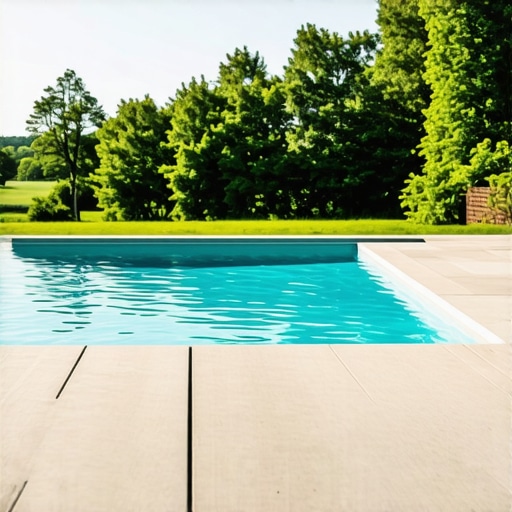
One sizzling summer afternoon, I stepped outside to enjoy my backyard pool and noticed something alarming—my deck boards warped under the hot sun, and the once pristine surface was now riddled with scratches and stains. Frustration crept in. Like many homeowners, I had initially gone with composite decking, hoping for low maintenance and durability. But reality hit hard when it couldn’t withstand the intense sun and pool splashes. That lightbulb moment made me realize: not all decking materials are created equal, especially when it comes to pool surrounds.
Choosing the Right Material for Your Pool Area Can Make or Break Your Outdoor Experience
After countless trials and errors, I discovered that PVC decking offers significant advantages over composite, especially in humid, sun-soaked environments. In this post, I’ll share my personal journey and how PVC decking can keep your outdoor space looking gorgeous, year after year. Trust me, making an informed choice here saves you money, time, and headaches in the long run.
Will PVC Decking Really Last Longer Than Composite?
Early on, I made the mistake of assuming all decking materials were equally durable. I overlooked the fact that some composites can absorb water, swell, and even develop mold, leading to costly repairs. Interestingly, a study published by the National Center for Biotechnology Information shows that PVC-based materials are inherently more resistant to moisture, making them ideal for high-humidity areas like pool decks. This was a game-changer for me, and I believe it will be for you too.
So, if you’ve faced peeling, staining, or warping with your current deck, you’re not alone. The good news is, there are better options. Keep reading, and I’ll guide you through why PVC decking might just be the perfect upgrade for your pool area, and how to choose the right style and installation that will stand up to time and nature’s challenges.
Prepare Your Deck Frame and Layout
Start by inspecting your existing structure or building a new frame. Use a level and tape measure to identify uneven sections and plan your layout accordingly. I once spent hours adjusting the joists of my old deck, making sure they were spaced correctly—typically 16 inches on center—to support PVC planks efficiently. Proper planning here prevents future issues like sagging or buckling. Consider adding blocking between joists for extra support, especially if you plan to install heavy furniture or a hot tub. This ensures stability and prevents the deck from shifting over time.
Choose and Set Up Your PVC Decking Boards
Select Quality Materials
Opt for high-quality PVC decking that surpasses composite in moisture and UV resistance. I recommend checking the product specifications for fade and stain warranties. During my project, I selected boards with a textured surface for safety and aesthetic appeal. Remember, smoother surfaces can become slippery when wet, so texture matters for poolside areas.
Measure and Cut Accurately
Measure carefully before cutting, and use a fine-tooth saw or a carbide-tipped blade to prevent melting or chipping. I once faced a mishap where I cut a board too short and had to redo part of the installation—lesson learned: double-check every measurement. Leave a 1/4-inch gap between boards to allow for expansion; PVC expands under heat, which can cause buckling if not accounted for. Use spacers during installation to maintain consistent gaps.
Install Using Hidden Fasteners
For a clean, seamless look, use hidden fastener systems designed for PVC decking. I found that screws can mar the surface and lead to voids over time, especially in high-traffic zones. Applying screws with a countersink bit ensures they sit flush, preventing tripping hazards or water pooling around fasteners. When working around edges or corners, take your time to ensure the boards are aligned perfectly, and check for levelness frequently. This meticulous approach resulted in a professional finish that lasted through the seasons.
Finish and Seal Your Deck
If your PVC boards have any exposed cut edges, consider sealing them with a PVC-compatible edge sealer to prevent moisture infiltration. Although PVC is resistant to water, unsealed edges can still absorb moisture over years, leading to deterioration. I applied a clear sealant along the cut ends for added longevity. Regular cleaning with a mild soap solution and a soft brush will keep the surface looking fresh and prevent mold buildup, especially near the pool where splashes are frequent.
Maintain and Monitor Your Deck
Periodically check the fasteners and joists for signs of loosening or warping. I recommend an annual inspection, especially after harsh weather. Keep the surface free of debris and avoid using abrasive cleaners or tools that could scratch or damage the PVC surface. Additionally, consider installing lighting along the perimeter to enhance safety and ambiance during evening swims—just ensure wiring is properly rated for outdoor use. These small steps will extend the life of your deck and keep it attractive for years to come.
Many homeowners believe that installing stairs and choosing decking materials are straightforward tasks, but in reality, there are nuanced details that can make or break your outdoor living space. One common misconception is that all composite decking is maintenance-free and suitable for every environment. However, many overlook the importance of selecting the right type of composite, such as PVC-based boards, which offer superior resistance to moisture and UV exposure—crucial factors for stairs and pool decks. This oversight often leads to premature warping, staining, or even safety hazards.
Are You Making a Costly Mistake in Your Stair Design?
Discovering the intricacies of proper stair stringer spacing and rise-to-run ratios often separates professional-grade decks from amateur projects. For instance, improper calculations can cause stairs to feel unstable or be non-compliant with safety codes. Consulting expert resources like innovative stair solutions can guide you toward safe, durable designs. A common trap is using standard fasteners without considering hidden support elements—this can lead to squeaky, wobbly stairs that deteriorate quickly. Implementing concealed fastener systems and blocking between joists, as discussed here, enhances stability and safety over time. Moreover, advanced homeowners often neglect the significance of proper moisture barriers beneath stairs, which can cause wood rot and compromise the entire structure. This is where a thorough understanding of moisture management, backed by studies such as those in moisture-resistant material research, becomes vital. It’s also not enough to merely focus on aesthetics; functionality and code compliance are essential, especially when considering high-traffic areas adjacent to pools or outdoor kitchens. Proper planning, including drainage considerations and quality hardware, prevents costly repairs down the line. For inspiration and detailed insights on outdoor living designs, visit custom composite deck ideas. Have you ever fallen into this trap? Let me know in the comments.
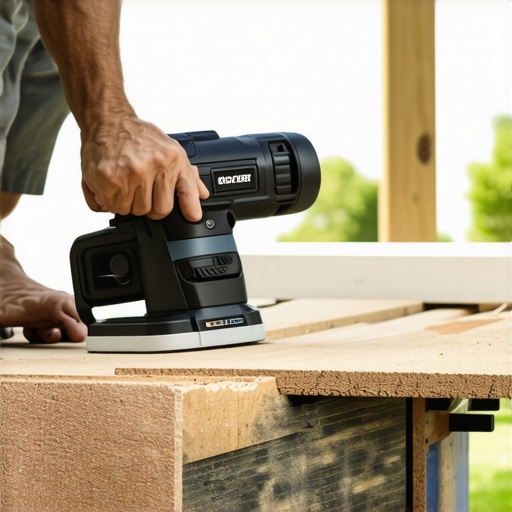
Keeping your outdoor living space in top shape requires more than just initial installation; it demands consistent maintenance and the right tools to simplify the process. Over the years, I’ve found that investing in precise, durable equipment not only saves time but ensures longevity for decks, stairs, and other outdoor features. One tool I swear by is the cordless oscillating multi-tool. Its versatility allows me to sand, cut, and scrape in tight corners—perfect for addressing stubborn stains or sealing edges without risking damage to the surface. For example, when sealing cut edges of PVC decking, this tool provides clean, controlled results, preventing water infiltration that can lead to warping or mold.
Another essential piece of equipment is a high-quality power washer. I prefer models with adjustable pressure settings and surface cleaners designed specifically for composite materials. This allows me to remove dirt, algae, and stubborn stains effectively without harming the surface. Regular cleaning prevents buildup that accelerates deterioration, especially near pool areas with frequent splashes and debris accumulation.
On the software side, I highly recommend using project management apps like deck design software to plan maintenance schedules, visualize upgrades, and keep track of repairs. Staying organized ensures that preventive measures like tightening fasteners or inspecting joists happen routinely, extending the lifespan of your deck and stairs. Predictions for the future suggest smart technology integration, such as sensors that detect moisture levels or structural shifts, aiding proactive maintenance.
Wondering How Do I Maintain Outdoor Stairs and Decks Over Time?
Consistent inspection is key. Use a combination of visual checks and tactile testing—like tapping for soft spots or loose fasteners—and employ tools such as a torque wrench to ensure bolts are properly tightened. Regularly applying sealant or protective coatings to exposed cut edges minimizes water infiltration. Remember, the right tools, combined with scheduled maintenance, will optimize performance and appearance, keeping your outdoor space safe and beautiful for years.
As trends evolve, expect smart maintenance systems to become commonplace, automatically alerting homeowners to issues before they escalate. Take the initiative now—try integrating a power washer with adjustable settings paired with a moisture meter to master long-term upkeep. This proactive approach will make your outdoor living area resilient against weathering and wear, saving you money and preserving your investment.
The Hardest Lesson I Learned About Design and Durability
Early in my deck-building adventures, I believed that choosing attractive materials was enough to ensure longevity. However, I soon discovered that neglecting proper support and ventilation could lead to warping, regardless of material quality. It taught me that a solid foundation and thoughtful airflow are critical for lasting outdoor structures.
Why Hidden Fasteners Changed My Perspective
Initially, I used traditional screws that left a rough surface and required frequent maintenance. Transitioning to hidden fastener systems not only provided a sleek, seamless appearance but also protected the boards from water infiltration and UV damage. This small change significantly extended the lifespan of my decks and stairs.
How Regular Checks Save Big on Repairs
Routine inspections and proactive tightening of fasteners have saved me from costly repairs down the line. Tapping the joists for soft spots or using a torque wrench to ensure bolts are tight keeps the structure safe and stable. This disciplined maintenance approach keeps my outdoor spaces beautiful and secure.
The Value of Quality Tools and Planning
Investing in reliable tools like power washers and multi-tools made cleaning and sealing much more efficient. Proper planning—measuring twice, leaving expansion gaps, and supporting heavy loads—prevents mistakes that can lead to accidents or damage. Thoughtful preparation turns a DIY project into a professional-grade outdoor space.
My Path to Outdoor Living Success Looks Like This
Combining durability-focused material choices, meticulous craftsmanship, and ongoing maintenance has transformed my backyard into a personal oasis. Embracing these lessons means your outdoor decks and stairs will not only look stunning but also stand the test of time. For inspired ideas and expert guidance, feel free to explore more innovative outdoor living tips.
Your Turn to Elevate Your Outdoor Space
Have you faced unexpected challenges with your deck or stair projects? What solutions worked best for you? Share your experiences below—I’d love to hear your story and help you avoid common pitfalls on your journey to the perfect outdoor living area.