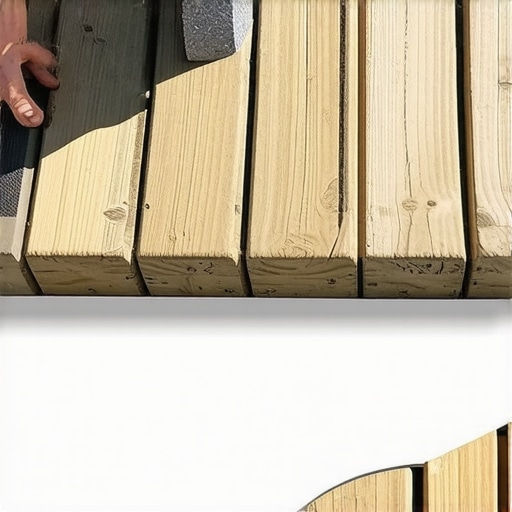
I remember the cold, slick mornings when I’d inch my way down the deck stairs, praying I wouldn’t slip and send myself tumbling into the bushes. That lightbulb moment hit me hard—slippery stairs aren’t just inconvenient; they’re downright dangerous. If you’ve ever felt that anxiety, you’re not alone. Many outdoor enthusiasts face the same challenge, especially as weather turns unpredictable. But here’s the good news: restoring traction on your deck stair treads is entirely doable, and I’ll show you how from my own experience.
Why Slippery Deck Stairs Pose a Growing Concern
Outdoor living spaces are meant to be safe retreats, not hazards waiting to happen. When stair treads become slick, especially in damp weather or after moss growth, every step feels like a gamble. According to the Consumer Product Safety Commission, thousands of injuries annually stem from slips on outdoor stairs—many of which could be prevented with proper grip restoration techniques. Given this risk, it’s crucial to address the problem early, before an accident occurs.
Is It Really Worth the Effort to Fix Slippery Stairs?
Believe me, I took my time before tackling this issue. I thought about replacing my entire deck or installing new stairs altogether, but that felt overwhelming and expensive. Early on, I made the mistake of just adding some outdoor rugs or coatings that wore out quickly. The real breakthrough came when I focused on improving the stair treads themselves. Restoring good grip isn’t just about safety; it enhances the visual appeal and overall enjoyment of your outdoor space. If you’re thinking, “Is this really worth my time?”—trust me, it is.
Now that we’ve established why this matters, let’s dive into some practical solutions that will make your stairs as safe and inviting as the rest of your backyard. Ready to step up your outdoor game? Let’s go!
Assess the Damage and Prepare
Start by inspecting your stairs thoroughly. Look for moss, algae, or slick residues. Remove loose debris and scrub the surface with a stiff brush and a mixture of vinegar and water to eliminate slippery growths. Wear gloves and eye protection to stay safe during this cleaning process. I did this first on a rainy Saturday, realizing just how slick the moss had become—using a garden hose afterwards helped rinse off stubborn dirt.
Choose the Right Anti-Slip Solution
Select a durable, weather-resistant non-slip coating or tape designed for outdoor stairs. For my project, I opted for a textured, paint-on anti-slip coating that bonds well to composite decking, providing excellent grip without altering the aesthetic. Check product reviews, and ensure the product is compatible with your deck material. I applied this with a roller, working in narrow sections to prevent overspreading, which made the process precise and less messy.
Applying the Non-Slip Coating Effectively
Ensure the surface is completely dry before applying the solution. Use a fine brush or roller to spread the coating evenly across each step, paying extra attention to the edges where slips often occur. Allow sufficient drying time as specified on the product’s instructions. I learned the hard way, rushing to finish before a rainstorm, which caused streaks and uneven texture—so patience really pays off here.
Install Grip-Enhancing Treads or Tape
Add textured grip strips or adhesive tape to the high-traffic areas of each step. These products are straightforward to install and provide immediate traction. For my stairs, I measured and cut peel-and-stick anti-slip tape to fit each step precisely, pressing firmly to ensure adhesion. These strips can be replaced easily once worn out, making maintenance simple. This hands-on step transformed my stairs’ safety profile almost instantly, especially after a slick morning of rain.
Maintain and Reassess Regularly
Consistently keep your stairs clean by removing moss, leaves, and mud, which can exacerbate slipperiness over time. Reapply your non-slip treatments every couple of seasons or sooner if you notice wear. I schedule a quick check every spring and fall, making sure that my safety measures are intact—think of it as tuning up your car to keep everything running smoothly.
Consult Experts When Needed
If unsure about selecting the right products or how to properly prepare your stairs, consider consulting a professional. A skilled deck builder can assess your specific situation and recommend solutions tailored to your outdoor space. They might also suggest upgrading to stair solutions that incorporate non-slip features in the design itself. I found that outside input saved me time and ensured the durability of my improvements.
Many homeowners and DIY enthusiasts assume that choosing the right composite decking or designing an outdoor space is straightforward, but there’s more nuance beneath the surface. A common misconception is that all composite decking is equal; in reality, not all products withstand climate variables or foot traffic equally, as highlighted in the latest composite decking trends. Overlooking this can lead to costly replacements or safety issues.
Another mistake is underestimating the importance of properly integrated stair design. Many ignore the small details, like slip-resistant treads or appropriate riser heights, which dramatically impact safety and aesthetics. This oversight is a hidden trap that can ruin a well-planned deck. Incorporating seamless transitions and well-crafted stairs can elevate your project.
Conventional wisdom often suggests that a DIY approach saves money, but without expert guidance, this can backfire. Mistakes such as improper joist spacing or inadequate flashing often go unnoticed until they cause significant damage. A professional deck builder can prevent these pitfalls, ensuring longevity and safety.
Advanced enthusiasts should also consider the nuances of climate-specific materials. For example, studies indicate that mineral core composite boards can outperform traditional options in cold climates, reducing warping and splitting (see reasons here). Failing to select appropriate products suits the environment can lead to a costly overhaul.
Those aiming for longevity must understand that maintenance doesn’t end after installation. Regular cleaning, proper sealing, and paying attention to drainage are vital. A common oversight is neglecting to install effective under-deck drainage, which can cause rot and decay over time. Investing in hidden gutter systems can save you money and hassle.
Finally, remember that aesthetics matter—not just function. Incorporating features like built-in lighting or varied textures can greatly enhance your outdoor living experience. However, these should be planned meticulously, with attention to safety and durability.
Let me ask you—have you ever fallen into this trap of underestimating the complexity of deck building? Share your stories or questions below! Proper planning and expert knowledge can make your outdoor space a true extension of your home rather than a risky afterthought.Maintaining your deck, especially when it involves composite decking and outdoor stairs, requires the right set of tools to ensure safety, durability, and appearance. One of my go-to equipment is a high-quality power washer with adjustable PSI settings. I prefer models like the Sun Joe SPX3000 because they allow me to gently clean surfaces without damaging the composite material. Regular cleaning prevents moss and algae buildup, which can compromise grip and safety. Additionally, a cordless electric drill with variable speed control is indispensable for fastening and tightening deck screws efficiently, especially when installing anti-slip tapes or securing new joist supports. For measuring and leveling, I rely on a laser level tool, such as the DeWalt DW088K, which ensures precision in deck orientation and stair riser heights, key factors highlighted in designing safe outdoor stairs.
The Hardest Lesson I Learned About Deck Builder and Safety
One time, I underestimated the importance of thorough surface prep before applying anti-slip coatings, which resulted in uneven grip and a rushed redo. That experience taught me patience is key—and that safety depends on attention to detail rather than quick fixes.
3 Myths About Exterior Stair Safety That Held Me Back
I used to believe that installing a simple non-slip strip was enough, but I discovered that combining textures, proper cleaning, and regular maintenance creates a truly safe environment. Busting these myths helped me protect my family and friends better.
What Experts Won’t Tell You About Composite Decking and Long-Term Durability
Many overlook climate-specific material choices, like mineral core composites for colder regions, which significantly extend lifespan. Learning these insider insights saved me from costly replacements down the line and enhanced the aesthetic and safety of my outdoor space.
My Essential Toolkit for Safe and Stylish Outdoors
From high-quality power washers to laser level tools, these are the devices I trust to keep my deck stairs in top condition. Investing in the right equipment makes maintenance simpler and results more professional-looking, inspiring confidence in every project.
Your Next Step Begins With Confidence
Revamping outdoor stairs isn’t just about aesthetics—it’s a vital safety measure that transforms your outdoor living. Embrace the learning curve, gather the right tools, and watch your space become both beautiful and secure.