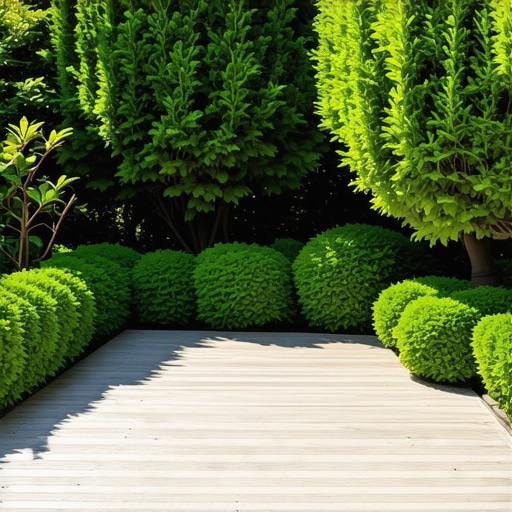
It was an almost perfect summer evening when I realized my latest garden project had turned into a sap-slick nightmare. I had planted those gorgeous, leafy privacy bushes hoping they’d shield my deck from nosy neighbors and add a splash of greenery. Instead, I ended up with sticky, sap-dripping branches that coated my furniture and stained my deck boards, turning my tranquil outdoor retreat into a sticky mess. That lightbulb moment made me rethink my plant choices, and I knew I wasn’t alone in this struggle.
Choosing the Right Greenery for a Clean, Private Outdoor Space
Many homeowners face the dilemma of balancing privacy with maintenance hassle. Decks are prime spots for outdoor relaxation, but the wrong plants can create more problems than they solve. Thankfully, there are plant options that offer lush privacy without the messy aftermath. Today, I’ll share my journey to find low-maintenance, sap-free plants that harmonize beauty with practicality. Here’s how a seasoned deck builder can help enhance your outdoor privacy.
Is It Really Possible to Find Privacy Plants That Won’t Drop Mess?
Early on, I made the mistake of assuming all fast-growing greenery would serve my privacy needs. I underestimated how much cleanup those pesky sap-producing plants would demand. According to horticulture experts, many deciduous trees and shrubs produce significant sap in certain seasons, leading to sticky situations. The key is selecting plants that grow densely but don’t produce messy substances. So, if you’re tired of battling sticky sap and endless pruning, you’re in for a welcome surprise.
Now that we’ve acknowledged the common pitfalls and set the stage, let’s dive into some of the best plant options that can give you privacy without the sticky aftermath. Ready? Let’s turn your deck into a private oasis that stays clean and beautiful.
Identify Plants That Grow Dense Without Producing Mess
Start by researching evergreen shrubs like boxwoods or hollies that provide year-round privacy without sap or fruit mess. I recall planting a row of boxwoods last spring, carefully spacing them to ensure dense coverage as they matured. Watching them fill in over months, I avoided the sticky fall cleanup associated with deciduous trees. The dense foliage created an effective privacy barrier, and I didn’t have to deal with sap dripping or leaf litter falling every season.
Select Plants Suitable for Your Climate and Yard Conditions
Assess your local climate zones and soil type to choose plants that thrive naturally. For instance, I tested soil pH and drainage in my yard before choosing drought-tolerant plants like junipers, which require minimal watering and pruning. This strategic choice prevented future messes and reduced maintenance time, making it easier to sustain a clean outdoor space.
Use Height and Planting Techniques for Privacy
Plant taller shrubs or small trees along the property line, ensuring they’re pruned to maintain shape without excessive shedding. I installed a trellis for climbing plants like clematis or jade vines, which added height without mess. Proper spacing and pruning prevented overlap and unwanted debris, keeping my deck tidy and private. For stairs or elevation changes, consider integrating these plants into landscape beds, aligning with [creating seamless transitions in outdoor living](https://deckdesignbuild.com/creating-seamless-transitions-stairs-as-key-elements-in-outdoor-living) to ensure safety and aesthetic appeal.
Implement Regular Maintenance Schedules
Set a routine for pruning and debris removal, which keeps plants healthy and minimizes fallen leaves or twigs. I dedicated a Saturday each month for trimming, making sure my greenery remained neat and mess-free. This proactive approach saved me from sudden cleanups and maintained the aesthetic appeal of my private outdoor space.
Incorporate Functional Design Elements
Adding features like lattice panels or privacy screens can enhance coverage and reduce plant maintenance. I experimented with custom-built lattice walls, which not only provided additional privacy but also supported climbing plants. Integrating design elements smartly aligns with [outdoor living ideas](https://deckdesignbuild.com/innovative-outdoor-living-ideas-with-composite-decking-in-2025) that balance beauty and practicality, all while keeping maintenance manageable.
Many homeowners enter outdoor renovations with misconceptions that can lead to costly mistakes. One prevalent myth is that all composite decking is entirely maintenance-free; however, experts highlight that capping technology significantly impacts longevity and appearance, as detailed in [decking trends for 2025](https://deckdesignbuild.com/composite-decking-trends-2025-the-ultimate-guide-for-outdoor-enthusiasts). A common trap is believing that standard stairs suffice; in reality, designing stairs with proper riser height and graspable handrails not only enhances safety but also elevates aesthetic appeal, as explained in [outdoor stairs design](https://deckdesignbuild.com/designing-safe-and-stylish-stairs-for-outdoor-decks-in-2025). Conversely, some assume that hiring a professional is unnecessary for small projects—yet, a skilled deck builder can identify subtle flaws and suggest improvements that amateurs often overlook, making your outdoor space more durable and beautiful, as covered in [working with a deck builder](https://deckdesignbuild.com/the-benefits-of-working-with-a-professional-deck-builder-in-your-outdoor-projects). An advanced misconception is that lighter-colored decks reflect heat better; while this might seem logical, studies show that material composition and surface texture play more decisive roles in temperature regulation, as highlighted in [capped-polymer composite benefits](https://deckdesignbuild.com/the-real-difference-between-cheap-and-premium-composite). Overlooking these nuances can lead to unintended consequences, like uneven wear or increased maintenance. Not addressing these hidden details might turn your outdoor oasis into a recurring maintenance nightmare. To avoid these pitfalls, I recommend consulting with experienced professionals early in your planning stages. They can help optimize your design for durability, safety, and style—transforming your yard into a true extension of your home. Remember, excellent outdoor living is as much about understanding these details as it is about choosing the right materials. Have you ever fallen into this trap? Let me know in the comments, and if you’re ready to elevate your outdoor space, feel free to reach out to us for expert guidance.
How Do I Maintain My Deck and Stairs Over Time?
Long-term outdoor success depends heavily on using the right tools and adopting disciplined maintenance routines. I personally swear by a few specialized equipment pieces that ensure my deck and stairs stay durable and safe. First, a high-quality oscillating multi-tool is indispensable for precise sanding and detail work, especially in tight corners or crevices where debris and moisture tend to accumulate. Pair that with a power washer equipped with adjustable pressure settings; I set mine to prevent surface damage while effectively removing grime, mold, and algae. Regularly, I apply a UV-protective sealant using a foam roller to shield the deck surface from sun damage, extending its lifespan and keeping color vibrant.
For ongoing monitoring, I use a digital moisture meter to detect hidden leaks in joist areas or under the fascia, which can cause rot if overlooked. Installing an under-deck drainage system, like a hidden gutter, reduces standing water and minimizes maintenance needs, as highlighted in our guide on under-deck drainage.
Looking ahead, advancements in smart sensors may bring IoT-based moisture detection directly to homeowners, making maintenance even more proactive. For now, staying vigilant with basic tools is vital. I recommend incorporating a routine inspection schedule, perhaps bi-annual, alongside your seasonal cleanings, to catch potential issues early.
Recommended Tools for Outdoor Maintenance
Beyond the basics, I find that investing in a good cordless leaf blower helps me clear debris swiftly after storms, preventing buildup that can accelerate decay. A set of durable, rust-resistant fasteners ensures the structural integrity remains uncompromised over years of exposure. For cleaning composite surfaces, a soft-bristle brush combined with specialized cleaning solutions designed for decking prevents scratches and preserves appearance, as outlined in deck cleaning tips. Always follow manufacturer recommendations for maintenance to safeguard warranties and extend the life of your investment.
Scaling Up Your Outdoor Maintenance Efforts
As your outdoor living area grows, so does the complexity of maintenance. I suggest investing in a compatible robotic lawn mower or a smart irrigation controller to automate routine tasks. For larger decks or multiple stairs, consider hiring a professional periodically to inspect for subtle issues that DIY might overlook—such as hidden framing rot or structural wear. Collaborating with an experienced deck builder can preempt costly repairs and keep your space looking spectacular for years to come. Try adopting these advanced tools and methods today; your outdoor space will thank you with prolonged beauty and reduced hassle.
What Hidden Lessons About Outdoor Privacy Surprised Me Most
One of the biggest revelations was realizing that not all plants promising privacy are worth the mess. I once believed I could plant any quick-growing shrub to shield my yard, only to be met with sticky sap and relentless pruning. This taught me that choosing the right greenery involves understanding not just growth habits but also seasonal outputs. Additionally, I learned that incorporating evergreen plants can provide lush privacy without sacrificing cleanliness year-round, turning maintenance into a manageable routine. Finally, I discovered that strategic placement and regular pruning are essential tools—transforming a potential mess into a picture-perfect retreat without unnecessary effort.
Tools and Resources That Elevated My Outdoor Living Game
Over time, I found that investing in quality tools like quality pruning shears and moisture meters made a noticeable difference in plant health and cleanliness—saving me from costly repairs down the line. A durable garden hose with a good spray nozzle helped keep foliage tidy, while consulting experts through trusted sources like professional deck builder insights gave me confidence in my choices. Also, books such as “The Well-Tended Yard” offered practical tips on plant care and maintenance routines, making the process more enjoyable. These resources and tools have been invaluable in creating a low-maintenance, attractive outdoor space that aligns with my lifestyle, and I highly recommend exploring such options to refine your privacy solutions.
Your Next Step Toward a Cleaner, Private Outdoor Sanctuary
Building an outdoor space that balances beauty with ease doesn’t have to be overwhelming. The key lies in selecting the right plants, leveraging expert insights, and establishing sustainable routines—transforming your yard into the private oasis you envision. Remember, every small effort adds up to a remarkable outdoor experience. So, why wait? Dive into your project now, and feel free to reach out for personalized guidance. Your perfect outdoor retreat is within reach—start today and enjoy a cleaner, more private outdoor living space that truly feels like your sanctuary.