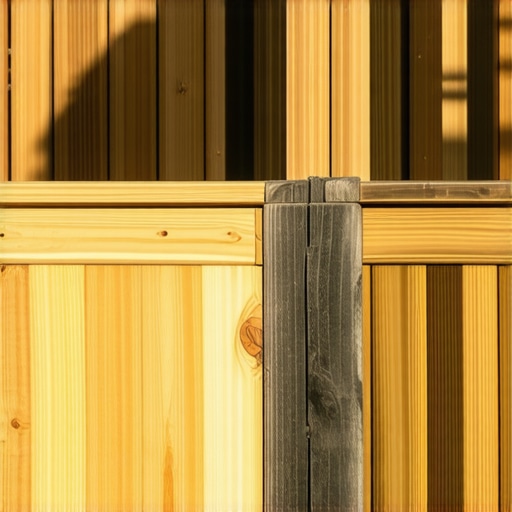
The moment I stepped onto my recently finished deck, I was hit with an unexpected realization—those classic pressure-treated railings I’d initially thought were a no-brainer felt outdated, and honestly, a bit of a headache waiting to happen. I had always relied on pressure-treated wood because everyone swore by its durability and affordability, but after a few seasons of minor cracks, wobbly posts, and constant maintenance, I started questioning everything. That lightbulb moment prompted me to rethink my entire approach to outdoor railings, and I want to share the journey that led me to skip pressure-treated options this time around.
Breaking Free from Old Habits: Why Change Felt Necessary
Pressure-treated wood has been the go-to for decades—its resistance to rot and pests makes it seem like a safe bet. But as I delved deeper into alternative materials and professional insights, I found that what’s hidden beneath the surface might surprise you. The truth is, pressure-treated lumber isn’t as maintenance-free as it appears, especially when it comes to outdoor railings. Constant sealing, painting, and checkups can become a relentless chore—something I’ve experienced firsthand.
My early mistake was trusting the hype without considering longevity and safety. I installed pressure-treated posts with the assumption they’d last forever, but I overlooked the fact that the chemicals used can sometimes cause issues like warping or unforeseen structural problems over time. An insightful article from [Deck Design Build](https://deckdesignbuild.com/the-hidden-cost-of-using-cheap-plywood-for-deck-stair-forms) highlights costs that often go unnoticed, reminding me that instant savings can turn into long-term expenses.
So, what’s the alternative? I’ve turned my attention to composite materials that offer a blend of durability, low maintenance, and safety, making them an excellent choice for railing construction. These modern materials resist weathering, don’t require frequent sealing, and come in a variety of styles—helping you design your deck to be both beautiful and safe.
Are you tired of replacing or repairing your railings every few years? Do the thought of constant upkeep drain your outdoor enjoyment? If so, I believe you’ll find value in exploring options that truly stand the test of time and weather, which I’ll unpack in the upcoming sections.
Discovering these facts has been eye-opening, and I’m excited to guide you through the decision-making process in choosing the best railing options for your outdoor space, based on what I’ve learned from personal experience and industry insights. Let’s dive into the core reasons to skip pressure-treated wood for your railings and explore high-quality alternatives that can elevate your deck’s safety and style.
Choosing the Right Materials for Your Railing
Start by selecting low-maintenance composite materials, like capped polymer or wood-plastic composites, which resist weathering and decay. Visit this guide to compare options and pick a product that matches your aesthetic and durability needs.
Plan Your Layout and Measurements
Measure your deck perimeter precisely, accounting for any curves or angles. Use a laser level for accuracy to ensure your posts will be perfectly vertical, avoiding wobbly railings down the line. Take notes and mark locations before cutting any materials to prevent costly mistakes.
Prepare the Foundation Posts
Install precast concrete footings or pressure-treated posts into concrete footings, ensuring a stable base. Even if you’re avoiding pressure-treated wood for the railing, use it for posts if needed, but keep them well sealed. Deeply set the posts—at least 36 inches—to prevent shifting over time. Grip them firmly with concrete, and allow curing for full strength before attaching the railing panels.
Secure Post-to-Base Connections
Use galvanized or stainless steel hardware to anchor posts securely to the footing. For a cleaner look and added stability, consider hidden fasteners that insert into pre-drilled holes, preventing wobble. When attaching posts to concrete, use impact anchors or epoxies designed for outdoor use, avoiding any hardware that could rust or loosen.
Apply Sealant and Protective Coatings
After installation, seal all cut ends of the composite boards with a manufacturer-approved sealant. This practice prevents moisture ingress, which can cause warping or mold growth over time. Regular maintenance—cleaning with mild soap and water—will preserve the appearance and integrity of your railing.
Install the Railing Panels
Attach the composite panels to your posts using the recommended fasteners, ensuring they are flush and level. Use a spacing gauge to maintain uniform gaps for aesthetic consistency and safety. When fitting the panels, avoid overtightening fasteners which could cause warping or cracking.
Finish with Style and Safety
Add handrails or caps if desired, securing them with stainless steel hardware. For a more seamless look, consider installing fascia boards over the post bases, hiding any hardware and boosting the visual appeal. Finally, double-check all connections for tightness—a loose railing compromises safety and will wobble over time.
While many DIY enthusiasts and even seasoned contractors focus on the surface-level aspects of deck building, there’s a wealth of nuanced details that can make or break your project’s success. A common misconception is that choosing the right materials alone guarantees durability. However, the intricacies of installation techniques, material compatibility, and subtle design choices often determine longevity and safety. For instance, many assume that composite decking simply ‘doesn’t warpth’ or ‘never needs maintenance,’ but in reality, specific brands and installation methods greatly influence performance over time. Experts like noted decking specialist Mark Clement emphasize that trusting the brand alone without understanding proper fastening and ventilation can lead to early deterioration.
Are There Advanced Mistakes Even Experts Often Overlook?
One mistake I see frequently is underestimating the importance of proper drainage and vapor barriers, especially in climates prone to humidity or freezing temperatures. Improper setup can trap moisture beneath the deck, accelerating rot and mold growth—issues that are often dismissed as minor or inevitable by less experienced builders. For example, the use of inappropriate fasteners or failing to align drainage slopes can cause water pooling—leading to structural compromise years down the line. To avoid this, always consider the subtle yet critical details like the airflow beneath your deck, the choice of stainless steel fasteners to prevent rust, and accurate spacing for expansion and contraction. Discovering these nuances has transformed my approach, and I highly recommend diving into guides such as the comprehensive [deck-design/build insights](https://deckdesignbuild.com/innovative-stairs-solutions-for-safe-outdoor-deck-access) to further refine your skills. Remember, successful outdoor projects hinge on mastering the details most overlook. Have you ever fallen into this trap? Let me know in the comments.Maintaining a deck built with composite decking and sturdy stairs requires the right set of tools and consistent routine. One indispensable tool I recommend is a high-quality cordless drill fitted with variable-speed settings and a selection of stainless steel fasteners. This combo ensures quick, precise fastening without damaging the material or causing unnecessary stress on the boards, especially when installing hidden fasteners or fascia boards. I personally rely on a DeWalt XR cordless drill because of its reliable battery life and ergonomic design, which makes extended work sessions less taxing. Additionally, a laser level is crucial for maintaining perfectly straight railings and stairs, saving you from hours of rework.
For routine maintenance, I swear by a stiff-bristled brush attached to a long handle for cleaning between deck boards and around stair stringers. Regular sweeping removes debris that can trap moisture and cause mold or discoloration over time. When it comes to deep cleaning, a mixture of gentle soap and warm water applied with a microfiber pad works wonders without degrading the finish—especially important when maintaining composite surfaces. I avoid high-pressure washers because they can damage the protective layer on composite materials and force water into hidden spaces, potentially leading to long-term issues.
Prediction indicates that smart maintenance tools, such as app-controlled pressure washers or sensor-assisted moisture detectors, will become standard in deck upkeep by 2025. These innovations will allow homeowners to identify problem areas early and schedule cleaning or repairs proactively, extending the life of outdoor structures.
How do I maintain my deck over time? The most effective approach involves a combination of regular inspections, timely cleaning, and using the right hardware and protective products. For example, applying a high-quality sealant to fascia boards and any cut ends of composite planks can prevent moisture ingress, which is vital in humid or variable climates. Furthermore, replacing worn fasteners with corrosion-resistant, stainless-steel options, as recommended in expert guides like those from [The Hidden Cost of Using Cheap Plywood for Deck Stair Forms](https://deckdesignbuild.com/the-hidden-cost-of-using-cheap-plywood-for-deck-stair-forms), ensures the integrity of your structure remains intact.
Don’t wait until you notice a wobble or discoloration to take action. Incorporate RFID moisture detectors or regular visual checks into your routine to catch issues early. Try out a laser level for your next big project or maintenance session—it’s a game-changer for ensuring safety and aesthetics. Remember, a well-maintained deck isn’t just about looks; it’s an investment in your outdoor lifestyle and safety. Are you ready to upgrade your maintenance toolkit and start enjoying your outdoor space worry-free? Explore more about innovative outdoor living solutions with composite decking at [this guide](https://deckdesignbuild.com/innovative-outdoor-living-ideas-with-composite-decking-in-2025).
Lessons Only Experience Can Teach
- Switching from pressure-treated wood taught me that what’s marketed as maintenance-free often isn’t. It’s a reminder that real durability comes from selecting the right materials, like capped composite, and understanding their installation nuances.
- I learned the hard way that overlooking drainage and vapor barriers can lead to premature decking issues, regardless of the material quality. Proper ventilation and attention to detail matter more than I initially thought.
- My biggest revelation was that even the best composite decking requires consistent, simple maintenance—like cleaning and inspecting fasteners—to truly perform its best long-term. Small routines prevent big repairs.
- Choosing unseen components—like stainless steel fasteners and proper flashing—has a profound impact. These details aren’t glamorous but are vital for a lasting outdoor space.
My Go-To Resources for Deck Building Wisdom
- Choosing the right composite decking — This guide helped me compare brands and find options that resist weather and wear, saving time and money.
- Designing your perfect outdoor space — A resource filled with expert tips on layout and aesthetic choices, transforming a simple deck into a personal oasis.
- Innovative outdoor living ideas — Staying ahead of trends keeps my projects fresh and functional, ensuring longevity and enjoyment.
- Expert tips on outdoor transformation — This has been invaluable for elevating the style and safety of my decks, especially when blending materials and features.
Empower Your Outdoor Vision Today
Building a deck that withstands the test of time without constant upkeep may seem daunting, but with the right insights and a cautious approach, it’s entirely within your reach. Embrace these lessons, utilize trusted resources, and take confident steps toward creating your ideal outdoor sanctuary. Remember, excellence is in the details and the choices you make now. Are you ready to turn your outdoor space into a perennial haven that truly lasts? Share your plans or questions below, and let’s build something extraordinary together!