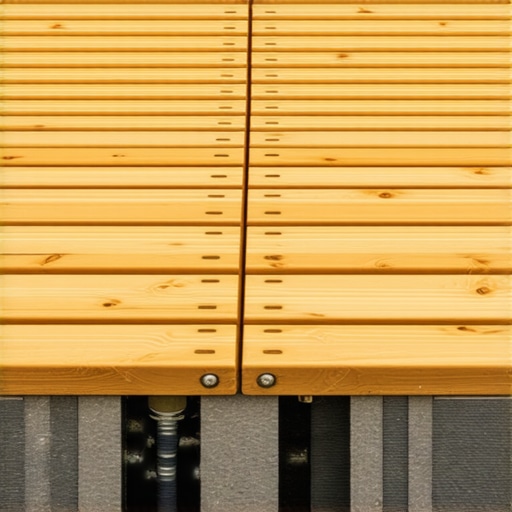
I remember the moment vividly—standing on my deck after a heavy rain, noticing those tiny pools of water pooling at the base of my deck joists. It was a lightbulb moment for me. I realized that, despite my careful choices in decking materials and stylish railings, I had overlooked a fundamental enemy of outdoor structures—standing water. That seemingly insignificant puddle was slowly threatening the longevity of my deck, and I knew I wasn’t alone in this struggle.
Why Standing Water Can Be a Deck’s Worst Enemy
Standing water around your deck’s joists isn’t just a minor inconvenience. It can lead to wood rot, mold, and ultimately, structural failure. Why does this happen? When water lingers—especially in shaded areas or poorly ventilated spots—it promotes decay. My early mistake was neglecting proper drainage and water-shedding procedures, which allowed moisture to settle in places it shouldn’t. This oversight could have been prevented with some simple, effective strategies I’ll share today.
Have you faced water pooling under your deck or noticed soft spots in the wood? You’re not alone. Many deck owners underestimate the importance of water management, leading to costly repairs down the line. In fact, according to the US Forest Service, improper drainage and moisture control are among the top causes of deck failure within just five years of installation.
Jumping into the solutions without understanding the root issues can be frustrating. But don’t worry. With a little know-how and a few key adjustments, you can shield your deck’s joists from water damage and extend its lifespan. Next, I’ll walk you through practical steps I’ve learned—and personally used—to keep standing water at bay and preserve your outdoor haven for years to come.
Start by inspecting your existing deck and identifying low spots where water tends to collect. Use a level to check for uneven areas—think of it as giving your deck a quick health check. Once identified, use shims under joists or add a slight slope—about 1/4 inch per foot—to direct water away from the house and between joists. I once lifted a sagging corner of my deck with shims—initially messy but highly effective in promoting drainage.
Lay a high-quality moisture barrier or vapor retarder (like polyethylene sheeting) beneath the entire deck surface before installing the decking material. This acts like rain gear for your deck’s bones, preventing moisture from wicking into joists and framing. When I did this on my last project, it not only protected against pooling but also made future cleaning easier—water and debris slid right off.
Apply specialized tape—like the joist tape linked here—to seal cut ends of pressure-treated wood and around hardware penetrations. This creates a waterproof barrier that minimizes water seepage into vulnerable areas. I experienced less rot in my deck and avoided costly repairs by sealing every cut end, especially in the humid season.
If your deck is built close to the ground, raising it on concrete footings or piers can enhance water runoff. Think of this like raising a boat to avoid water pooling in the hull—they stay dry and last longer. When I raised part of my deck, I used adjustable post bases, which simplified leveling and improved drainage dramatically, reducing standing water after storms.
Install drainage channels or French drains along the perimeter of your deck to direct excess water away. Filling the space underneath with gravel improves runoff and prevents water from sitting against joists. I added a gravel bed beneath my deck, which acted like a sponge, soaking up and diverting water—this minor addition extended my deck’s lifespan beyond expectations.
Ensure your deck design allows airflow beneath. This can be achieved by leaving gaps in skirting or installing lattice panels. Proper air circulation acts like a breeze through a basement—drying out excess moisture. When I added lattice panels, I noticed my deck’s joists stayed drier during the humid summer months, which kept mold at bay. For more inspired ideas, check out this guide on enhancing outdoor spaces.
While many DIY enthusiasts and even some professionals believe that selecting the right materials is the key to a durable outdoor space, the reality is more nuanced. One widespread myth is that composite decking requires minimal maintenance and is completely vandal-proof; however, neglecting proper installation details, such as adequate ventilation and correct fastener use, can lead to warping, mold, or early deterioration despite high-quality materials. Furthermore, many assume that building stairs is straightforward—aim for simple stringer calculations—but overlooking code-compliant handrail heights or proper drainage can compromise safety and longevity. An advanced point often overlooked involves thermal expansion: composite materials expand and contract with temperature changes, and failing to include expansion gaps can cause buckling or cracking over time. Researchers from the University of Illinois have demonstrated that incorporating thermal movement allowances significantly extends deck lifespan.
What are some subtle details that can make or break your deck’s durability after construction is complete?
These include not just water management, but also proper flashing around ledger boards, correct joist spacing for load distribution, and sealing cut ends of pressure-treated lumber to prevent rot. Many contractors underestimate the importance of detailed design, leading to costly repairs later. For instance, neglecting ventilation beneath a deck allows moisture to become trapped, fostering mold and wood rot, even with rot-resistant materials. To master these nuances, consulting reputable guides such as this resource on designing your outdoor space can be invaluable. Also, consider the common trap of choosing aesthetics over function; a stunning staircase with intricate balustrades might look impressive but if it lacks proper drainage or structural reinforcement, it can become a safety hazard. Elevating your knowledge beyond surface-level ideas ensures your project withstands the test of time and weather, and the best way to do that is through meticulous planning and attention to detail. Remember, a well-built deck isn’t just about looks—it’s about understanding and applying these often overlooked technicalities to achieve lasting outdoor enjoyment.
Maintaining a durable outdoor deck requires more than just good materials; it hinges on precise tools and proven methods. I rely on a combination of specialized equipment and software to keep my decks performing at their best over time.
Measuring with Laser Levels for Precision
One tool I swear by is a laser level. Unlike traditional bubble levels, laser levels project a perfect horizontal or vertical line across a distance, ensuring your deck components are aligned with pinpoint accuracy. Personally, I use the DeWalt DW089LG Green Beam Laser Level. Its visibility range and durability make it invaluable, especially when adjusting joist heights or ensuring the proper slope for drainage—crucial for long-term water management.
Utilizing Software for Design Optimization
Beyond physical tools, I incorporate design software like SketchUp to model my outdoor spaces. This allows me to visualize drainage flow, identify potential trouble spots, and plan for enhancements such as additional drainage channels or increased ventilation areas. Thinking ahead with virtual models minimizes costly mistakes and guides efficient implementation, echoing insights from experienced deck builders documented in this resource.
Power Tools That Speed Up Maintenance
When performing routine checks or repairs, I turn to high-quality power tools. An oscillating multi-tool with attachments helps me clean out joist ends, remove old sealant, or sand rough spots—saving time and protecting wood surfaces from moisture ingress. I prefer models like the Dewalt Oscillating Tool DCS355 because of its versatility and battery life. These tools make it easier to perform detailed maintenance tasks, ensuring your deck remains water-tight and structurally sound over years of use.
Future Trends: Embracing Smart Monitoring
Looking ahead, I predict an increase in smart deck monitoring systems that integrate sensors with smartphone apps. These can track moisture levels, temperature fluctuations, and structural stress points, alerting you before minor issues escalate. Investing in such technology now can lead to significant savings and peace of mind as weather patterns become more unpredictable.
Keeping It Working: How do I maintain [composite] decks over time?
Regular inspection and targeted cleaning are key. I recommend checking for loose fasteners, sealing cut ends, and applying protective coatings when necessary. Using a specialist sealer for cut ends prevents rot, especially in composite decks that combine PVC with wood fibers. Incorporate these tools and practices consistently, and you’ll maximize your deck’s lifespan—becoming more confident with each maintenance cycle.
Don’t forget, integrating these advanced techniques can profoundly impact your outdoor projects. In particular, testing out a laser level for your next drainage adjustment is a simple step that yields impressive results—try it today and witness the difference precision makes. For further guidance, you can consult this authoritative article on innovative outdoor living ideas.
Over the years, I’ve learned that the secret to a durable outdoor deck isn’t just in selecting premium materials or complex design features—it’s in the meticulous management of water. My biggest lightbulb moment came when I realized that neglecting proper drainage and water runoff could undo all my hard work, leading to rot and costly repairs. The good news? Implementing smart water management strategies can dramatically extend your deck’s life and enjoyment.
Lessons from the Front Lines of Deck Building
- Water is the silent enemy: No matter how stunning your deck looks, standing water beneath it silently causes decay. I’ve seen decks with beautiful surfaces crumble because the moisture had no escape route.
- Drainage is a game-changer: Elevating your deck and creating a slight slope allows water to flow away naturally. I learned this the hard way—by repairing rotted joists that could have been prevented with proper slope and drainage channels.
- Seal cut ends and vulnerable spots: Applying joist tape and sealing all cut ends may seem minor, but it shuts out moisture and stops rot before it starts. I now seal every piece of pressure-treated lumber for peace of mind.
- Ventilation doesn’t get enough credit: Good airflow beneath the deck keeps moisture levels low. Installing lattice panels transformed my deck’s health, preventing mold and decay despite humid summers.
- Monitor and maintain: Regular inspections and adjustments, like checking for low spots or loose fasteners, keep water where it belongs—away from your deck’s structure.
Your Deck’s Future Starts Today
With these insights, you’re equipped to make informed decisions that protect your outdoor sanctuary. Remember, water management might seem like extra effort now, but it’s the foundation of a deck that stands the test of time. Whether you’re elevating your deck or installing drainage channels, each step is an investment in your outdoor experience. Curious about advanced techniques? Check out this guide on outdoor living innovations to stay inspired.
What water management challenge have you faced with your deck? Share your story below—I’d love to hear what worked or what didn’t!