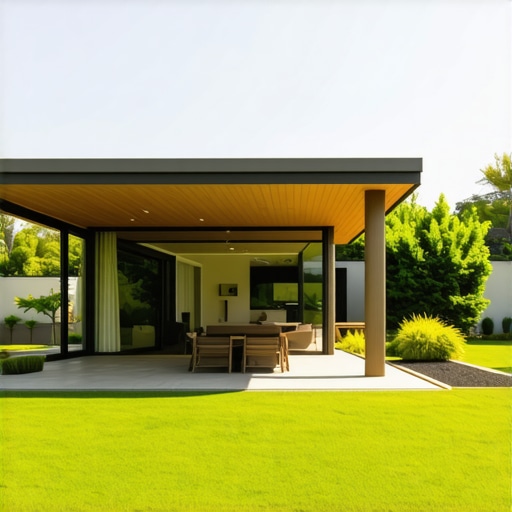
Last summer, I vividly remember stepping onto my deck after a sunny day, only to be greeted by a surface so hot it felt like I was about to burn my feet. That lightbulb moment hit me hard — how could something I invested so much in be making my outdoor space less enjoyable? If you’ve ever felt the same way, you’re not alone. Many backyard enthusiasts underestimate the importance of heat-shield technology when it comes to composite decking and outdoor living spaces. Today, we’re going to explore this crucial factor that can make or break your outdoor comfort and durability.
Protect Your Backyard Oasis from the Sun’s Harsh Touch
Heat-shield technology isn’t just a fancy buzzword; it’s a game-changer for anyone dreaming of a cool, inviting outdoor area. When the sun beats down relentlessly, traditional decking materials can become scorching, turning your backyard into a miniature oven. This not only ruins your relaxation but also accelerates wear and tear, leading to costly repairs.
From personal experience, I learned the hard way that selecting materials without considering heat absorption can lead to discomfort and quicker deterioration. Once I swapped to a composite decking with built-in heat-reflective properties, my outdoor space transformed. Now, I can enjoy sunny afternoons without fear of burnt feet or warped boards.
If you’re like me, eager to create a space that’s both beautiful and practical, understanding the benefits of heat-shield technology is essential. It helps maintain a comfortable temperature, extends the lifespan of your deck, and keeps your backyard looking sharp for years to come.
For more ideas on innovative outdoor living solutions, check out [this guide on outdoor space enhancements for 2025](https://deckdesignbuild.com/innovative-outdoor-living-ideas-with-composite-decking-in-2025). Additionally, collaborating with a professional deck builder can ensure your materials and design choices maximize comfort and durability. You can learn more about the advantages of working with experts [here](https://deckdesignbuild.com/the-benefits-of-working-with-a-professional-deck-builder-in-your-outdoor-projects).
Now, let’s dive into what makes heat-shield technology so effective and how you can select the right materials to keep your backyard cool and inviting this sunny season. Have you ever experienced a deck so hot it became uncomfortable? Share your experience in the comments — I’d love to hear your story and help you find the perfect solution.
Identify Heat-Reflective Materials for Your Deck
Start by researching composite decking options that feature integrated heat-shield technology. Look for brands emphasizing heat resistance in their specifications, often indicated by terms like “thermal reflectivity” or “cool-touch” surfaces. During my last project, I visited a local supplier and examined samples—those with light-colored surfaces reflected more sunlight, reducing heat absorption. This hands-on assessment helped me select a decking material that stayed cool underfoot, even during the peak summer heat.
Measure and Design Your Deck with Proper Ventilation
Accurately measure your outdoor space using a tape measure or laser level, ensuring to include stairs and landings. Use these measurements to sketch out your deck layout, considering gaps and spacing. Proper ventilation beneath the deck, like a vented substructure, allows air circulation that helps dissipate heat accumulated in the joist area. I once built a small platform with two inches of clearance from the ground, and adding vent panels significantly lowered the surface temperature, demonstrating the benefit of airflow.
Implement Effective Installation Techniques
Use Hidden Fasteners for a Smooth Surface
Employ hidden fasteners to secure your composite boards, avoiding surface screw heads that can absorb heat and cause uneven heating. I used a special tool designed for this purpose, which made the process quicker and resulted in a sleek, clean finish. This method also helps prevent screw heads from collecting dirt and exposing problematic hot spots over time.
Maintain Consistent Spacing to Mitigate Warping
Maintain a consistent gap (typically 1/8 inch) between boards to allow expansion and airflow, preventing heat buildup and warping. During my installation, I checked each board with a spacer tool—any variation caused uneven expansion, leading to warping and discomfort when walking barefoot. Proper spacing ensures uniform temperature and extends the deck’s lifespan.
Incorporate Cooling Features and Finishes
Enhance heat mitigation by applying light-colored stains or reflective paints to your decking surface, which reflect more sunlight. Additionally, integrating shading elements such as umbrellas, pergolas, or trees can profoundly reduce surface temperatures. I added a pergola with a retractable fabric cover, which cut down the deck’s temperature by several degrees—making afternoons much more enjoyable.
Plan for Protective Accessories and Maintenance
Use non-porous mats and outdoor rugs made of light-colored materials to further keep temperatures down in high-traffic areas. Regular cleaning with a gentle hose wash prevents dirt buildup, which can absorb and retain heat. I found that a bi-annual rinse kept the surface cool and visually appealing, while also revealing areas needing repaint or touch-up to prevent heat trapping in damaged spots.
While many enthusiasts focus on choosing the right composite decking material or designing stylish stairs, a common misconception persists: that these choices are straightforward. But let’s dig deeper into what most people get wrong about outdoor living projects. One widely mistaken belief is that all composite decking is created equal; in reality, the market is flooded with varieties that claim low maintenance but fall short in durability or heat resistance. Relying solely on brand names without understanding the underlying technology, like heat-shield properties or UV protection, can lead to disappointing results over time. Moreover, some assume that installing stairs is simply a matter of measuring and assembling, but the nuances of proper support, airflow, and safety code compliance are often overlooked, risking structural integrity or code violations.
Are All Hidden Fasteners Equal for Your Deck?
Many DIYers think hidden fasteners are just an aesthetic choice, but the truth is, the quality and type of fasteners can significantly affect your deck’s longevity. Using generic or incompatible fasteners can lead to issues like corrosion, squeaking, and uneven boards, which may compromise safety and require costly repairs. For example, stainless steel fasteners specifically designed for composite materials resist corrosion far better, especially in coastal regions. Skipping professional advice or comprehensive research may seem like saving money initially, but it can lead to structural failures down the line. Collaborating with an expert deck builder ensures you select the most durable fastening systems, as explained in our [benefits of working with professionals](https://deckdesignbuild.com/the-benefits-of-working-with-a-professional-deck-builder-in-your-outdoor-projects).
Beyond materials and fasteners, the misconception that composite decks require little to no maintenance strengthens overconfidence. But neglecting routine cleaning or ignoring signs of damage like warping or loose boards can accelerate wear. Incorporating proactive maintenance routines, along with understanding advanced features — such as heat-reflective surfaces and proper ventilation — is essential for creating a resilient outdoor space.
Finally, many overlook the importance of precise stair design. As emphasized in [designing safe and stylish stairs](https://deckdesignbuild.com/designing-safe-and-stylish-stairs-for-outdoor-decks-in-2025), flawed stair layouts can cause safety hazards and aesthetic issues. Cut corners here, and your deck loses both appeal and stability. So, don’t fall into the trap of thinking basics are enough—invest in expertise, quality components, and thorough planning.
Have you ever fallen into this trap? Let me know in the comments, and share your experiences or questions about avoiding these common pitfalls in your outdoor projects.Maintaining a beautiful, durable outdoor deck requires the right tools and methods. I personally swear by a high-quality cordless impact driver for installing fasteners efficiently and reducing fatigue during lengthy projects. Its torque power ensures screws are driven flush without stripping, minimizing surface damage and heat buildup. For precise measurements, I rely on a laser level—trust me, achieving perfectly aligned boards and stairs is much easier than with traditional bubble levels. A good laser level reduces errors and saves time, especially on larger projects or multi-level decks. When it comes to cleaning, a biodegradable deck wash compatible with composite materials is indispensable; it keeps surfaces bright and prevents algae that can trap heat and cause discoloration. I also recommend a detailed moisture meter to evaluate substructure health periodically, preventing decay issues before they become visible problems. And of course, a pneumatic nailer with adjustable depth controls helps secure framing accurately, ensuring stability over time.
Looking ahead, I believe the trend will lean further toward automation and smart technology. Imagine integrating moisture sensors or temperature monitors into your deck’s structure, enabling you to receive alerts before things go wrong. Such advancements could extend your deck’s lifespan and reduce maintenance efforts significantly.
**How do I maintain my deck equipment to ensure long-term performance?** Regularly cleaning tools after use, lubricating moving parts, and storing them in a dry environment are simple practices that pay off. For example, keeping impact drivers free of debris prevents internal corrosion, which could compromise power and heat dissipation during operation.
When choosing tools, invest in quality gear like a cordless impact driver and laser level; they may cost more upfront but save you countless hours and headaches. Plus, using a moisture meter periodically can help you catch potential issues early, especially in climates prone to humidity or moisture exposure. For ongoing maintenance, incorporate these tools into your routine to keep your outdoor spaces inviting and structurally sound.
Thinking about your next project? Try applying a laser level to align your stairs perfectly or use impact drivers for all fastenings—these small upgrades make a significant difference in finish and durability. For further insights on professional techniques, consider collaborating with a [professional deck builder](https://deckdesignbuild.com/the-benefits-of-working-with-a-professional-deck-builder-in-your-outdoor-projects). Maintaining your equipment effectively ensures your decks remain stunning and safe, season after season.
Lessons From the Heat: What I Wish I Knew About Deck Durability
One of the biggest surprises I encountered was realizing that not all composite decking handles the sun equally. Choosing a product solely based on appearance or low maintenance claims without considering heat-reflective properties can lead to uncomfortable outdoor spaces. I learned the hard way that investing in heat-shield technology pays off by keeping surfaces cooler and extending the lifespan of your deck. Additionally, overlooking proper ventilation under your deck can trap heat, causing warping and structural issues. Lastly, I underestimated how much thoughtful design—like light colors and shading—can dramatically improve comfort, turning your backyard into an oasis rather than an oven.