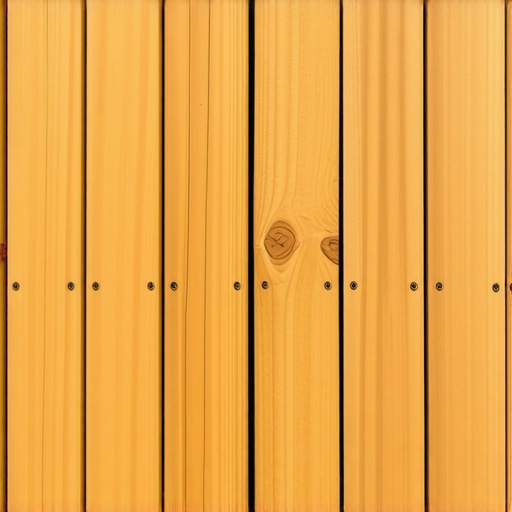
I remember the first summer I built my own outdoor deck, full of excitement and dreams of relaxing weekends. But as the months went by, I noticed something alarming—some of my deck boards began to curl and warp, turning my beautiful space into a twisted sea of wood. That lightbulb moment hit hard: I had overlooked the harsh realities of living in a dry, arid climate. Warping seemed inevitable, and I wondered if my investment was doomed from the start.
Why Warping Happens and Why It Matters So Much
Warping isn’t just about aesthetics. It can compromise safety, create tripping hazards, and make your deck look unkempt. In dry regions, the low moisture content causes wood and composite decking to shrink unevenly, leading to boards that bend, lift, or crack over time. Trust me, I’ve learned the hard way that neglecting this can turn your outdoor oasis into a maintenance headache.
Is All Decking Susceptible to Warping?
Many assume that choosing composite decking solves the problem. While it’s true that some materials are more stable, even the best products can warp if not installed properly. Early on, I made the mistake of ignoring proper acclimation of materials—an oversight I now know is critical. According to a study by the North American Deck and Railing Association, improper material handling is a leading cause of deck deformation in arid areas. So, skipping the acclimation process or ignoring sealing procedures can set you up for warping disaster.
If you’re facing similar frustrations, you’re not alone. But the good news? With a few targeted strategies, you can dramatically reduce, or even prevent, warping altogether. Ready to learn how to keep your deck flat and beautiful for years to come? Let’s dive into some actionable tips that will turn your outdoor space into the relaxing retreat you envisioned.
Logically, the next sections will explore specific techniques, materials, and installation tips to combat warping—so stick with me. Interested in transforming your deck into a low-maintenance, stable outdoor haven? If so, check out our contact page for expert assistance or explore the latest composite decking trends that are built to last in challenging climates.
Acclimate Materials Before Installation
Start by bringing your decking boards, framing lumber, and fasteners to the installation site several days in advance. Lay them flat in a shaded, well-ventilated area to allow their moisture content to stabilize with the local climate. I once neglected this step, and my boards warped noticeably within months. Proper acclimation reduces the risk of uneven shrinkage, which leads to warping.
Choose the Right Materials for Dry Climates
Select composite decking brands that cater specifically to arid regions, such as those with capped polymer cores that resist shrinking. When I chose a premium capped-polymer composite, I noticed less movement over time compared to traditional wood options. For optimal durability, consider materials with proven low moisture absorption.
Implement Proper Installation Techniques
Use spacers consistently to maintain uniform gaps between boards—they accommodate thermal expansion and contraction, preventing buckling. I used a laser level during installation, which ensured parallel board alignment despite temperature variations. Also, fasten everything securely but avoid over-tightening, as excessive pressure can cause boards to curl as they expand and dry out.
Support and Frame with Stability
Support your deck with double joists under every board seam, especially in dry climates where wood shrinks unevenly. I added additional ledger flashing and a moisture barrier beneath the frame, which significantly slowed down warping. Proper support minimizes stress points and distributes load evenly, maintaining deck flatness.
Seal and Maintain to Limit Moisture Loss
Apply a high-quality sealant to all cut ends, which are most vulnerable to moisture loss. I brushed sealant onto every cut, particularly on pressure-treated lumber, to prevent the wood from drying unevenly. Regular maintenance, including re-sealing annually, preserves the deck’s flatness over the years.
Monitor and Adjust Over Time
Periodically check for signs of warping or lifting. Small adjustments, like tightening screws or adding support brackets, can correct or prevent further deformation. For larger issues, consider professional inspection or reconstruction. A proactive approach keeps the deck safe and visually appealing.
By following these concrete steps, you create a resilient, warp-resistant outdoor living space. Remember, thoughtful material selection, precise installation, and ongoing maintenance are your best tools against warping in dry climates. Need expert advice? Reach out here https://deckdesignbuild.com/contact-us.
Many homeowners assume that choosing composite decking automatically guarantees durability and low maintenance, but in my experience, that’s only half the story. A common misconception is that all composite materials perform equally well in every climate. The truth is, not all composites are created equal, especially when it comes to heat absorption and color fading in direct sunlight. Manufacturers often claim their products are “maintenance-free,” yet they overlook the nuances of climate-specific performance. For instance, darker shades tend to absorb more heat, leading to warping or buckling in hot, sunny regions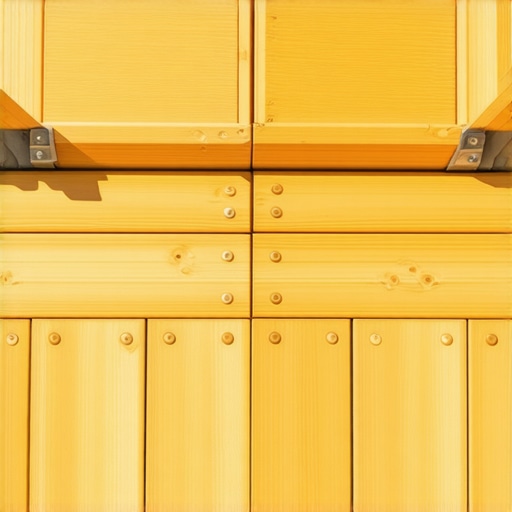 and many homeowners underestimate the importance of proper installation techniques. Skipping steps like precise spacing or correct fastening can result in uneven boards, which makes the deck look unprofessional and can cause long-term structural issues. I’ve seen many DIY projects where shortcuts in these areas led to premature failure. Additionally, some people believe that expanding their deck size without reinforcements won’t impact stability—classic mistake that can lead to sagging or even collapse. Proper support systems, such as double joists under seams and adequate footings, are often overlooked but crucial for a lasting structure. Another common myth is about the aesthetics of stairs and railings. Many underestimate how critical correct riser and tread measurements are, which directly affect safety and visual harmony. Poorly designed or installed stairs can be a hazard, especially when riser heights vary, causing tripping. For advanced outdoor spaces, integrating seamless transitions between deck and landscape or outdoor kitchen demands meticulous planning and skilled craftsmanship. Professional deck builders ensure these elements blend seamlessly, elevating the entire outdoor experience
Have you ever fallen into this trap? Let me know in the comments. For those serious about elevating their outdoor areas, I recommend consulting experienced experts who understand these nuances—check out how a skilled deck builder can transform your garden into a private oasis.
Keep Your Decks in Top Shape with the Right Equipment
Whether you’re a DIY enthusiast or a seasoned professional, having the right tools is crucial to maintain and enhance your outdoor living areas. I personally swear by the Ryobi Cordless Angle Grinder for quick sanding and smoothing deck surfaces. Its lightweight design and powerful battery make it perfect for on-the-go adjustments, especially when dealing with composite decking that requires careful handling to prevent damage.
For precise measurements, I rely heavily on the Bosch Laser Distance Measure. This tool ensures that your deck framing and stair installations are perfectly aligned, which is vital for longevity and safety. The laser’s accuracy helps me avoid costly mistakes that can lead to warping or safety hazards down the line.
Maintaining a clean workspace is essential. I use a DEWALT Wet/Dry Vacuum with HEPA filtration during cleaning after sealing or refinishing. It effectively picks up dust and debris without spreading spores or allergens, keeping the area safe and tidy. Plus, good cleanliness minimizes the risk of contaminants affecting sealants and adhesives, extending the life of your outdoor structures.
Tools for Long-Term Durability and Ease of Maintenance
In my opinion, investing in a Graco Magnum Airless Paint Sprayer simplifies applying sealants or stains, especially on large surface areas. Its adjustable pressure control allows for even coats without overspray, ensuring a professional finish that lasts for years. Regular reapplication of sealants using a sprayer keeps your decking moisture-resistant, a key to reducing warping and cracking.
Also, consider a high-quality Stihl Gas-Powered Brush Cutter for landscaping around your decking. Clearing away overgrown vegetation prevents moisture retention and mold growth, preserving your outdoor environment’s health and appearance. Trimming back foliage regularly can also prevent pests from nesting near your decking structure.
Planning for the Future with Modern Software
To streamline your ongoing maintenance, I recommend using design software that models your outdoor space. This technology helps predict how different materials and designs will behave over time, especially in challenging climates. Incorporating such tools now can save you significant time and money in the long run, ensuring your deck remains beautiful and functional for decades.
How do I maintain my outdoor structures over time?
Establish a regular maintenance routine that includes cleaning, sealing, and inspecting for damage. Use precision tools like laser levels and moisture meters to detect issues early. Staying proactive with your upkeep not only prolongs the lifespan of your decks, stairs, and railings but also enhances safety and aesthetics. Incorporating modern equipment, such as sprayers and measuring devices, makes the process more efficient and effective. For tailored advice or expert help, don’t hesitate to reach out here and elevate your outdoor living game. Why not try using a sprayer for your next sealing project? It can dramatically improve the application and longevity of your protective coatings.
The Hardest Lesson I Learned About composite decking,outdoor living,deck builder,stairs
One of my biggest realizations came when I ignored the importance of proper material acclimation. Skipping this step led to warped boards that marred the aesthetic and safety of my deck. Now, I always bring materials to the site days before installation, trusting that patience and preparation pay off in durability.
3 Myths About composite decking,outdoor living,deck builder,stairs That Held Me Back
I used to believe that dark-colored composite decking was a no-go in sunny regions, but I discovered that quality capped-polymer composites resist heat better than cheaper options. Also, I thought DIY installation was just as durable, yet proper fastening and support are crucial for lasting stability—and that requires expertise.
What Experts Won’t Tell You About composite decking,outdoor living,deck builder,stairs
Many professionals know that in dry climates, even the best decking materials need meticulous support framing and sealing. Overlooking detailed support systems can cause boards to bow or lift over time. Professional guidance and precision installation make all the difference between a lasting oasis and a warping nightmare.
Curated Resources for Outdoor Living Success
My essential toolkit includes the Bosch Laser Distance Measure, which ensures precise alignment—a non-negotiable for flat, safe decks. I also trust the Graco Magnum Airless Sprayer for even sealant application, extending the lifespan of the deck’s finish. Lastly, the latest [composite decking trends](https://deckdesignbuild.com/composite-decking-trends-2025-the-ultimate-guide-for-outdoor-enthusiasts) guide keeps me updated on innovative materials suited for challenging climates.
Charge Forward with Confidence
Remember, every outdoor space has the potential to be both beautiful and resilient—especially in dry climates where subtle adjustments can prevent costly repairs. Embrace the journey, trust your preparations, and don’t hesitate to seek expert advice to elevate your deck into a true outdoor retreat. If you’re ready to refine your outdoor living with proven strategies, explore how a skilled deck builder can turn your vision into reality—[contact us](https://deckdesignbuild.com/contact-us) today.