I vividly remember the moment I nearly lost my outdoor deck—standing beneath it during a heavy windstorm, nervously watching as one of the supporting posts wobbled just a little too much. That unsettling feeling was my wake-up call. I realized that while aesthetics are important, structural integrity must always come first. Trying to make a deck look flawless while ignoring the underlying support can lead to costly and dangerous mistakes.
The Challenge of Stylish Yet Strong Deck Frames
As a passionate DIY enthusiast, I found myself constantly battling the dilemma: How do I create a beautiful, inviting frame around my deck posts without compromising their strength? It’s a common struggle among homeowners and builders alike. A well-crafted frame can elevate your outdoor space, making it feel more cohesive and polished. But if not done correctly, it can weaken the structural support, leading to safety hazards and potential code violations.
Fortunately, after some trial and error—and a few less-than-stellar mistakes—I discovered practical solutions that combine form and function. Today, I want to share these insights with you, so you can confidently approach your deck framing project without the fear of compromising its strength.
Are Decorative Frames Sacrificing My Deck’s Safety?
This was the question I asked myself early on. I made the mistake of attaching decorative trim or knee braces without considering the load-bearing capacity of the posts. It’s easy to fall into this trap, especially when trying to enhance aesthetics. According to a study by the North American Deck and Railing Association, improper framing can significantly reduce a deck’s ability to withstand lateral loads, which are crucial during storms or heavy winds.1
That’s why understanding the importance of proper support while adding stylistic elements is vital. The key is to integrate decorative features that complement your deck’s design without overloading or weakening the support system. In the sections that follow, I’ll guide you through proven techniques to frame around posts effectively and safely, ensuring your outdoor oasis remains sturdy and beautiful for years to come.
Ready to learn how to master this delicate balance? Let’s dive into practical steps to achieve a stunning and structurally sound deck frame.
Secure the Foundation First with Accurate Measurements
Embark on your framing by measuring the exact dimensions of your deck posts. Use a tape measure and a level to determine the proper height and ensure the posts are plumb. I once misjudged a post height, which caused my entire railing to tilt—leading to extra work. Always double-check measurements before cutting or attaching materials.
Choose the Right Materials to Reinforce Support
Select high-quality, pressure-treated lumber or composite options like those discussed in composite decking guide. When framing around posts, use galvanized steel brackets or steel post bases for added support. Remember, the goal is to prevent wobbling and ensure durability.
Install Post Bases Properly
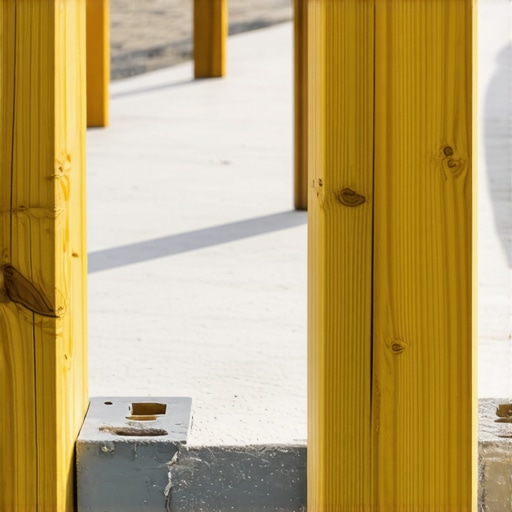
Position steel post bases directly on concrete piers or treated wood blocks. Secure them with corrosion-resistant screws or anchors. During my project, I used post bases to lift the wooden posts above ground moisture, which significantly extended their lifespan. Proper anchoring creates a solid foundation that resists shear forces during windstorms.
Frame Around Posts with Metal or Wood Supports
Attach the framing members—beams and joists—to the posts using metal brackets designed for outdoor use. Nail or screw the joists into the brackets, ensuring they are level and securely fastened to distribute loads evenly. I recommend staggered fastening patterns; this method prevents splitting and enhances strength. For visual clarity, consider framing a small sample before proceeding with the entire deck.
Integrate Decorative Elements Without Compromising Strength
When adding trim or decorative braces, ensure they do not load the supporting posts or alter their load-bearing capacity. Use lightweight, weather-resistant materials and attach them using brackets or screws designed to handle outdoor conditions. This approach maintains both aesthetic appeal and structural integrity.
Level and Check for Wobble at Every Step
Use a carpenter’s level or laser level to scrutinize the entire frame. Do not rely solely on visual alignment; test with a plumb bob to confirm verticality. I learned this lesson the hard way when a slight misalignment went unnoticed until the next storm. Regular checks during framing catch issues early, saving time and preserving safety.
Seal and Protect All Connection Points
Apply a high-quality outdoor sealant to all drilled holes and fastener points to prevent moisture infiltration. Using preservatives on cut ends of pressure-treated lumber also adds an extra layer of defense. Proper sealing minimizes decay and extends your deck’s lifespan, especially in humid or salty environments. Periodic maintenance of these points further ensures long-term support.
By following these precise, action-oriented methods, you construct a deck frame that is both stylish and robust. Remember, the quality of your support system directly influences the safety and longevity of your outdoor space. For personalized advice or professional help, consider reaching out to experienced deck specialists through our contact page.
< >Many homeowners believe that selecting the right deck material or the perfect stain is the key to a durable outdoor space, but the real nuances lie deeper. A common misconception is that composite decking is foolproof; in reality, not all brands offer the same longevity, and some can fade or stain if improperly installed or maintainedhttps://deckdesignbuild.com/composite-decking-trends-2025-the-ultimate-guide-for-outdoor-enthusiasts. Another mistake is underestimating the importance of proper stair design. Oversized risers or poorly supported stringers can lead to safety hazards and code violations. Advanced builders know that the correct riser height isn’t just about comfort but also about compliance and safety—skipped adjustments here can result in trip hazards and inspection failures.
Are Hidden Support Elements Worth the Extra Effort and Cost?
This is a question I often field from clients aiming for sleek, modern outdoor spaces. The truth is, incorporating concealed supports like hidden brackets or mounting hardware can drastically improve aesthetics without sacrificing strength. However, if not installed with precision, these hidden elements can become points of failure, especially under heavy loads or extreme weather. Proper integration necessitates a thorough understanding of load distribution and material compatibility—areas where many DIY enthusiasts stumblehttps://deckdesignbuild.com/creating-seamless-transitions-stairs-as-key-elements-in-outdoor-living. Moreover, advanced techniques such as laser-guided leveling and reinforced anchoring are often overlooked but vital. Failure to address these nuances can lead to wobbly stairs or sagging deck sections over time, undermining both safety and visual appeal. What’s more, not all contractors are transparent about these hidden brackets or extra reinforcement; engaging a professional can save you from costly corrections later. For an informed decision, consider reaching out to experienced experts through our contact page. As outdoor projects become more sophisticated, understanding these hidden but crucial elements separates amateur setups from truly resilient, high-quality decks. Don’t overlook the details—they are the backbone of long-lasting outdoor living spaces. Have you ever fallen into this trap? Let me know in the comments.
Maintaining a durable and stunning outdoor deck requires more than just initial construction skills; it demands the right set of tools, a systematic approach, and a proactive mindset. Over the years, I’ve fine-tuned my maintenance routine with specific equipment and methodologies that ensure longevity and safety—without turning the process into a chore.
The Power of Precision Tools for Deck Upkeep
First and foremost, a high-quality cordless impact driver has become my go-to for tightening fasteners during periodic inspections. Its portability and power make it ideal for reaching tight spots—especially around railings and stairs where vibrations can loosen fittings over time. I prefer models with brushless motors, such as the DeWalt DCF887, because they deliver consistent torque with less maintenance and longer battery life. This investment pays off because a well-fastened deck is less susceptible to wobbling or splintering.
Next, a moisture meter like the
Software That Keeps My Deck Plans on Track
Beyond physical tools, I rely on design and maintenance software, such as SketchUp, to visualize updates and repairs. This allows me to simulate new stain colors or structural modifications before actual implementation, reducing material waste and errors. Additionally, maintenance scheduling apps—like Taskade or Trello—help me set reminders for cleaning, sealing, and inspections, ensuring I don’t skip essential steps. As outdoor projects become more complex, integrating digital planning tools ensures nothing slips through the cracks, leading to consistent results over time.
Routine Maintenance Methods That Make a Difference
Adopting a routine that combines preventive checks with immediate fixes is vital. Every few months, I inspect fasteners and support brackets, tighten any loose screws, and look for signs of wear or wobbling. I also clean the surface with a gentle brush and water, avoiding high-pressure washers that can damage composite decking or loosen fasteners if misused. Applying a high-quality sealant, as described in this guide, protects against moisture infiltration and UV degradation, especially in coastal environments.
Future Trends: Smarter Maintenance and Smart Tools
The future of deck maintenance seems geared toward smart technology. Imagine sensors embedded into support posts or joists that alert you when moisture levels rise or structural integrity diminishes—that would revolutionize upkeep routines. Moreover, advancements in RFID-tagged fasteners could help track wear over extended periods, enabling preventative repairs long before issues become visible. Embracing these innovations now might seem premature, but they’ll become standard in just a few years.
How do I maintain my deck’s performance consistently over time?
The secret lies in blending the right tools with disciplined routines. Regular inspections, using impact drivers to tighten fasteners, moisture meters for early detection, and digital planning to stay organized—these are your best allies. Try scheduling a comprehensive check-up after heavy weather events or seasonal changes, and don’t be afraid to invest in smarter guidance systems as they become available. To explore advanced strategies and find professional support, consider reaching out through our contact page. Taking these proactive steps today ensures your outdoor haven remains safe, beautiful, and resilient for years to come.
Lessons from My Decking Journeys That Changed My Perspective
- Never underestimate the importance of precise measurements; a small miscalculation can lead to wobbling or safety hazards that are hard to fix later. I learned this the hard way when a misaligned post nearly compromised the entire structure.
- Many DIYers overlook the significance of high-quality fasteners. Using cheap, corrosion-prone screws can cause your deck to loosen over time, especially in humid environments. Investing in corrosion-resistant hardware truly pays off.
- Hidden supports might look sleek, but if not installed correctly, they become points of failure. It’s a lesson in balancing aesthetics with structural integrity—sometimes, visible reinforcements are a sign of a well-designed, durable deck.
- Regular maintenance routines, like tightening fasteners and sealing exposed wood, are vital. I schedule bi-annual inspections to catch issues early, saving time and money in the long run.
- While modern tools like laser levels and moisture meters are invaluable, understanding their correct usage makes the biggest difference. Proper training in their use ensures flawless execution.
My Go-To Resources for Decking Success
- DeckDesignBuild’s Blog: A treasure trove of detailed guides and expert tips that keep me informed about the latest trends and standards. Their articles on composite decking trends and stair safety are particularly helpful.
- Professional Hardware Brands: Brands like Simpson Strong-Tie and Trex offer reliable, weather-resistant fasteners and supports I trust for long-lasting results.
- Design Software Tools: Programs like SketchUp help me visualize modifications and ensure everything fits perfectly before actual work begins, reducing waste and errors.
- Local Inspection Guidelines: Staying updated with regional building codes ensures my projects are compliant, avoiding costly rework and ensuring safety.
Take Action and Build with Confidence
Your outdoor living space is an extension of your home and personality. Embracing these lessons and leveraging trusted resources can transform your deck from a simple platform into a sanctuary of safety and style. Remember, the right support system not only resists the elements but also provides peace of mind for years to come. If you’re ready to elevate your deck project or need personalized guidance, don’t hesitate to reach out to seasoned professionals. Your dream outdoor space is within reach—start today and enjoy the rewards of a well-built deck.