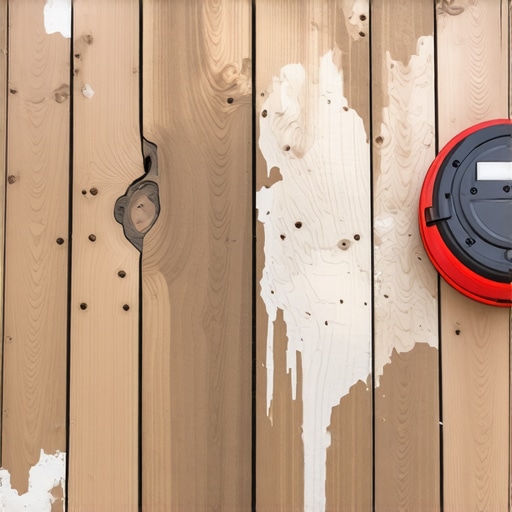
Last summer, I watched a beautiful, modern composite deck become a warped, scratched mess—at the hands of what I thought was an innocent spray of the garden hose. That moment felt like a punch in the gut. I realized I had made a big mistake: I had tried to pressure wash my deck, thinking it would save me time and effort. Instead, I nearly ruined it.
The Hidden Dangers of Power Washing Your Composite Decks
Composite decking is designed for low maintenance and durability, but it’s not indestructible—especially not against high-pressure sprayers. The intense water jet can strip away the surface, cause gouges, and even push dirt and debris deep into the decking material. What started as a quick cleaning routine turned into a costly repair, and I had to replace several damaged boards.
Did you know that pressure washing can void your deck’s warranty? Many manufacturers explicitly warn against it because of the damage it can cause. Over the years, I’ve come to understand that there are better ways to keep a composite deck looking new without risking costly mistakes.
In this post, I’m going to share my experience—then give you practical, safe methods to keep your outdoor space beautiful without the danger of pressure washing. If you’ve ever faced the frustration of a streaked, gouged, or warped deck, keep reading; I promise there’s a better way.
Is Power Washing Really Worth the Hype?
You might be skeptical—after all, pressure washers are popular for cleaning decks. I was too. Early on, I believed that blasting away dirt and grime was the most effective solution. But I quickly learned that I was making a classic mistake: underestimating how delicate composite surfaces are. Using a pressure washer at too high a setting or at the wrong angle can do more harm than good.
Research from the University of California suggests that improper cleaning methods can significantly reduce the lifespan of your decking material. It’s tempting to take the shortcut, but I’ve found that gentle cleaning methods work best for longevity and appearance.
So, what’s next? In the following sections, I’ll walk you through safe, effective alternatives. Whether your deck is new or aging, these tips will help you preserve its beauty without risking damage. Ready to learn how to clean smart and protect your outdoor investment? Let’s dive in.
Opt for Gentle Cleaning Solutions
Start by preparing a mild cleaning mixture using warm water and a gentle, pH-neutral soap or a specialized deck cleaner. In a bucket, mix about a quart of warm water with a few drops of soap, ensuring it’s not too harsh. I remember last summer when I decided to use a strong detergent on my deck—resulting in streaks and dullness. So, stick to mild solutions to preserve the deck’s surface.
Use Soft Brooms or Microfiber Mops
Instead of high-pressure jets, employ a soft-bristled broom or a microfiber mop to scrub the surface. I once spent a Saturday morning scrubbing my deck with a soft broom after a weekend of use, and it cleaned effectively without any damage. This method lifts dirt gently and prevents surface gouging.
Manual Scrubbing for Stubborn Debris
For spots with stubborn dirt or stains, use a soft-bristled brush or sponge dipped in your cleaning solution. Focus on areas where grime buildup is evident. When I had a patch of algae near the steps, a quick scrub with a soft brush brought it back to life without harming the surface.
Rinse with Low-Pressure Water
After scrubbing, rinse the deck with a garden hose set to a gentle spray setting or a low-pressure nozzle. Avoid using a charged spray or nozzle that mimics pressure washing. I learned this the hard way when I accidentally blasted a corner of my deck, causing surface discoloration. A gentle rinse clears away soap and loosened dirt effectively.
Protective Measures and Maintenance Tips
Regularly sweep your deck to prevent dirt accumulation, and occasionally wash it with a garden hose. Applying a protective sealant annually can also help maintain its appearance. I applied a UV-protective sealant last year, and it kept my deck looking shiny and new despite the summer sun.
Create a Routine That Fits Your Space
Set a maintenance schedule—bi-weekly or monthly—based on your outdoor environment. This consistency prevents grime buildup and extends the lifespan of your composite decking. Remember, these simple steps are akin to maintaining a well-oiled machine—keeping things smooth and damage-free.
For more insights on innovative outdoor living ideas, visit this guide.
Many homeowners believe that installing a deck is a straightforward process, but in my experience, there’s a lot more nuance involved than most realize. A prevalent myth is that composite decking is entirelymaintenance-free; however, understanding its limitations and proper maintenance can prolong its lifespan significantly. Overlooking the importance of precise stair design can compromise safety and aesthetic appeal—details that are often underestimated by DIY enthusiasts. For example, selecting the wrong riser height can make stairs uncomfortable and even dangerous, especially for children and the elderly.
Why Do So Many Get Deck Stair Safety Wrong?
It’s surprising how often I see decks with stairs that don’t meet modern safety standards or are visually unappealing. Many assume that building stairs is simply about the correct measurements, but the real challenge lies in creating seamless transitions that integrate with the deck’s overall style and safety requirements. Recent studies, such as those from the National Association of Home Builders, emphasize that well-designed, code-compliant stairs not only improve safety but also enhance the deck’s visual harmony and usability. Neglecting to incorporate proper stringer support or choosing incompatible materials can lead to sagging or wobbly stairs over time.
A common mistake is underestimating the importance of expert consultation. Working with a professional deck builder can help avoid these pitfalls; they ensure your staircase is both safe and stylish, matching your outdoor aesthetic. For advanced insights on integrating stairs into your landscape, check out [this article on designing safe and stylish stairs](https://deckdesignbuild.com/designing-safe-and-stylish-stairs-for-outdoor-decks-in-2025).
Similarly, many underestimate the value of aligning decking patterns with structural elements. Diagonal or custom patterning, when done correctly, can significantly elevate your outdoor space. As I’ve learned from experienced designers, paying attention to these details transforms a simple deck into a personalized oasis. Explore more about this in [our trends guide for 2025](https://deckdesignbuild.com/composite-decking-trends-2025-the-ultimate-guide-for-outdoor-enthusiasts).
Finally, a frequent oversight involves the use of fasteners; choosing the wrong type can cause corrosion, surface damage, or loose boards. Using hidden fasteners, although popular for a sleek look, requires careful installation, especially in areas with high humidity or salt exposure. Consulting with a professional can save you from costly repairs down the line. Remember, the details matter more than most people think when it comes to outdoor living spaces.
Have you ever fallen into this trap? Let me know in the comments, and share your experience with deck building or outdoor improvements.Maintaining a beautiful, functional outdoor space requires the right tools and techniques to ensure longevity and safety. As a seasoned deck builder, I’ve found that investing in specialized equipment and following proven maintenance routines can make all the difference. First, a high-quality telescoping pole system, like the EcoSmart Telescoping Pole, allows me to reach and clean hard-to-access areas safely without the need for ladders or scaffolding. This tool is perfect for cleaning high railings and the underside of decks; it’s lightweight and adjusts smoothly, reducing fatigue during lengthy projects. Second, I rely on a digital moisture meter, such as the Tramex MEP Moisture Meter, to assess wood and composite materials over time. Regular moisture monitoring helps prevent hidden rot and mold, which can compromise structural integrity. I check critical connection points and stair supports at least quarterly, especially after heavy rain or snowmelt. Third, I recommend using a UV-resistant, high-pressure sprayer designed for eco-friendly cleaning, like the Solo 418 One-Pin Sprayer, for applying sealants and stains. It provides even coverage and saves time compared to manual brushes. Remember, regular reapplication of sealant not only preserves the appearance but also shields decking from sun damage and moisture ingress, extending its lifespan. Predicting future trends, I believe smart, IoT-enabled maintenance tools will become more commonplace—think sensors embedded in decking frameworks providing real-time health reports. To stay ahead, I suggest you integrate a maintenance schedule that includes these advanced tools, starting with a moisture reading or a deep clean using a telescoping pole. For more ideas on innovative outdoor solutions, visit the “[outdoor living ideas with composite decking in 2025](https://deckdesignbuild.com/innovative-outdoor-living-ideas-with-composite-decking-in-2025).” Want to take your maintenance to the next level? Try using a moisture meter to evaluate your deck’s hidden areas—this small investment can save you from costly repairs down the line. Regular checks and proactive care are key to keeping your outdoor oasis safe, stunning, and long-lasting.
The Hardest Lesson I Learned About outdoor living,stairs,composite decking,deck builder
One of the most eye-opening lessons I discovered was the importance of understanding the limitations of composite decking. I used to believe that a quick power wash would keep it looking pristine, but I learned the hard way that gentler methods are often better. Over time, I realized that rushing maintenance can lead to costly repairs and a shorter lifespan for your deck.
3 Myths About outdoor living,stairs,composite decking,deck builder That Held Me Back
For years, I believed that composite decking was entirely maintenance-free, which isn’t true. I also thought that building stairs was a straightforward DIY project—until I underestimated the need for precise measurements and support. Lastly, I assumed all deck materials age the same, overlooking how environmental factors and construction choices influence their durability.
What Experts Won’t Tell You About outdoor living,stairs,composite decking,deck builder
Professionals often know that investing in proper design and quality components saves money in the long run. They also understand that detailed planning—like choosing the right fasteners and support structures—makes all the difference. I’ve learned that working with experienced deck builders can elevate your outdoor space beyond basic expectations, turning it into a personal oasis. Check out this article for more insider insights.
My Essential Toolkit for outdoor living,stairs,composite decking,deck builder
To keep my deck in top shape, I rely on a telescoping pole system like the EcoSmart Telescoping Pole for high and hard-to-reach areas. A moisture meter such as the Tramex MEP helps me spot hidden issues before they become problems. For applying protective sealants, I prefer a UV-resistant sprayer like the Solo 418 One-Pin Sprayer for even coverage. These tools have transformed my maintenance routine, making it safer and more effective. As technology evolves, I foresee smart sensors becoming essential for ongoing health monitoring—consider integrating these innovations into your upkeep plan.
Your Turn to Try
Remember, the journey to a beautiful and durable outdoor space is ongoing. Using gentle cleaning methods, investing in quality tools, and learning from experiences can help you avoid costly mistakes. What’s one lesson about outdoor living or composite decking you wish you knew sooner? Share your stories below—I’d love to hear them!