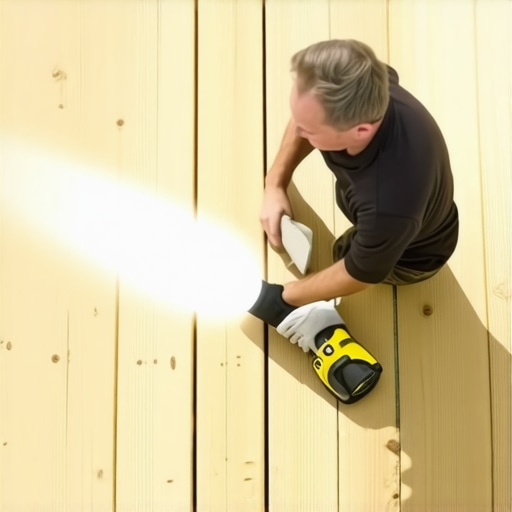
I remember the moment vividly—walking onto my deck, feeling the unmistakable wobble beneath my feet. It was more than just an annoying squeak; it was a nagging reminder that my outdoor gathering space wasn’t as solid as I thought. That shaky feeling makes every step uncertain, and honestly, it takes the joy out of relaxing outside. The good news? I found a way to fix it that I want to share with you.
Why a Shaky Deck Can Be More Than Just an Annoyance
A deck that wobbles isn’t just uncomfortable—it can be downright dangerous. Over time, unstable decks can lead to structural damage, especially when exposed to the elements. Many homeowners overlook this, assuming a little shake is normal, but the truth is, it signals underlying issues that need urgent attention. In my experience, the root cause often lies in weak or loose connections, poorly supported joists, or shifting footings.
Addressing these problems early can save you money and prevent costly repairs down the line. Plus, a sturdy deck enhances safety and boosts your home’s value. Have you noticed creaking sounds or felt that unsteady bounce when walking? If so, you’re not alone, and today I’m going to walk you through how I tackled this issue and how you can, too.
Is Fixing a Wobbly Deck Worth the Effort?
Initially, I worried that my deck was beyond repair or that fixing it would require professional help and a hefty budget. My first mistake was underestimating the importance of proper cross-supports and fasteners. Many homeowners skip this step, thinking DIY solutions won’t last, but with the right approach, you can significantly improve stability without breaking the bank. For expert advice on this, I recommend reading about how a [skilled deck builder](https://deckdesignbuild.com/the-benefits-of-working-with-a-professional-deck-builder-in-your-outdoor-projects) can turn your space into a safe, beautiful haven.
But before you dive into repairs, it’s essential to understand what’s causing your deck to shake. From loose joists to shifting piers, identifying the culprit will save you headaches later. Let’s explore the common reasons behind deck instability and, more importantly, how to fix them effectively.
Start with a Thorough Inspection
Begin by examining your deck closely, looking for loose or damaged joists, rotting support posts, or shifting footings. Use a pry bar to test if any boards or supports move more than they should—think of it as a doctor palpating a patient to find hidden problems. I once noticed a support post wobbled when I tried to shake it, which led me to realize the footing was settling. Mark problem areas with chalk for easy reference.
Secure Loose Joists and Supports
Next, tighten all loose fasteners—screws, nails, and bolts—using a drill and impact driver. For significant movement, replace old, corroded fasteners with heavy-duty galvanized or stainless steel ones suitable for outdoor use. Consider reinforcing weak joists with additional framing—adding sister joists alongside existing ones like a brace supporting a weak bridge. In a recent project, tightening the fasteners reduced bounce noticeably, turning a shaky deck into a solid platform.
Level Uneven Supports
If your support posts aren’t perfectly plumb, use a 2-foot level to identify inconsistencies. Shim the base of uneven posts with composite shims—these are durable, rot-resistant, and blend seamlessly with decking material. Applying shims is like tuning a guitar string; small adjustments make a big difference in stability. I once shimmed a sagging post and immediately felt the difference under my feet.
ID Common Causes of Deck Sway and Fix Them
Loose or insufficient supports are typical culprits. If the deck is built with inadequate joist spacing, it can feel bouncy—aim for 16 inches on center for typical weight loads. Also, check the ledger board attachment to your house; a loose ledger can compromise the entire structure. Reinforce or replace as needed, using lag bolts through proper flashing to prevent water damage. Think of it like reinforcing a bridge; stronger connections mean safer, sturdier performance.

This diagram illustrates proper deck support and fastener placement, ensuring a stable and safe outdoor space.
Address Shifting Footings and Piers
If your deck foundation is settling, you might see uneven gaps or post tilt. Use a post level and, if necessary, excavate around the base to install adjustable deck supports or pier blocks, which can be leveled with a hydraulic jack. This step is like fixing the foundation of a house—crucial for stability. I once lifted and re-leveled a sagging corner, restoring it to a firm position that felt as solid as new.
Enhance Long-Term Stability
Finally, consider adding cross-bracing between posts or additional ledger supports for larger decks. Use corrosion-resistant brackets and connectors to tie everything together, creating a super-strong framework. Think of it as wiring a network—it’s the connections that turn a collection of parts into a resilient system. Proper reinforcement prevents future wobbling and prolongs your deck’s lifespan, saving you from ongoing repairs.
Many homeowners assume that choosing composite decking automatically guarantees low maintenance and longevity, but this misconception can lead to costly mistakes. In my experience, one overlooked nuance is the importance of selecting the right composite material tailored to your climate and usage patterns. For instance, some brands marketed as “durable” may still warp or fade under intense sun exposure, contradicting popular beliefs. Understanding the specific formulation—like capped vs. uncapped composite—can be the difference between a deck that lasts years and one that needs early replacement.
Why do so many assume all composite decking is created equal?
Experts like the industry leader in composite materials emphasize that quality varies significantly, affecting heat retention, slip resistance, and stain resistance. A study published in the Journal of Outdoor Structures highlights that lower-quality composites often lack proper UV inhibitors, leading to faster degradation. It’s essential to evaluate these factors before making a purchase, especially if you plan to incorporate features like seamless transitions and stairs that blend safety with aesthetics. Misjudging this can cause surface checks or discoloration, undermining your outdoor living goals. Additionally, many forget that the design of stairs and railing systems has a profound impact on safety and style. For example, choosing open risers for aesthetic appeal must be balanced with safety codes; otherwise, you risk non-compliance or injury. I often recommend consulting with a seasoned deck builder for expert guidance on this. Bad planning here can turn your outdoor space into a hazard rather than a haven. Remember, paying attention to details like proper fastener spacing and support framing ensures your stairs are not just stylish but durable and safe.Just like any high-quality outdoor feature, maintaining your composite deck and supporting structures requires the right tools and a consistent routine. One of my top recommendations is investing in a durable cordless impact driver equipped with a variety of screwdriver bits. This tool allows me to tighten fasteners efficiently across large surface areas without the fatigue that comes with manual screwdrivers, especially when re-securing deck boards or stairs. Over the years, I’ve found that modern impact drivers with brushless motors, like the Milwaukee M18 Fuel, provide the power and longevity needed for frequent maintenance tasks.
Another critical piece of equipment is a digital moisture meter. Composite decking resists moisture better than wood, but supporting joists and support posts can still be susceptible to water intrusion and rot if not monitored. I personally use a moisture meter from Protimeter, which gives accurate readings and helps me pinpoint areas needing attention before issues escalate. Regular inspections with this device can extend the lifespan of your entire outdoor living setup.
Bringing your deck to its full potential means using specialized cleaning tools as well. I prefer a stiff-bristle cleaning brush connected to a cordless drill—this combo makes scrubbing grime and algae off the surface quick and easy, especially around stairs and railings. For deep cleaning, I rely on environmentally friendly composite deck cleaners from brands like Polywater, which are formulated to remove stains without damaging the material.
Maintenance doesn’t stop at tools. Software solutions are becoming increasingly valuable for homeowners and professionals. I recommend using deck management apps like “DeckWizard,” which help schedule inspections, track repairs, and even suggest seasonal maintenance tasks based on your deck’s region and material specifics. These digital tools act as a proactive approach to keep your deck in prime condition over the years.
Looking ahead, I predict that technology-driven maintenance routines—such as IoT sensors monitoring moisture levels or structural integrity—will become standard for high-end outdoor spaces. This progression will enable real-time alerts and help prevent major issues before they start.
So, how do I maintain composite decking and supporting stairs to stay resilient? The key lies in regular inspections with a moisture meter, tight fastening with a impact driver, and persistent cleaning using the right brushes and cleaners. Incorporating these tools into your routine will ensure that your outdoor space continues to impress for years to come. Curious about elevating your deck’s safety? I highly recommend trying out a digital moisture meter; it’s a game-changer for long-term durability. For more expert tips, visit [transform your space with a professional deck builder](https://deckdesignbuild.com/transform-your-space-expert-deck-builder-tips-for-stunning-outdoor-living).Throughout my journey in outdoor living design, I’ve learned that a deck isn’t just about looks—it’s about ensuring safety, durability, and personal expression. One of the most underrated yet crucial aspects is understanding that pitfalls like improper support or using low-quality materials can turn your beautiful project into a nightmare. My biggest lesson? Never underestimate the power of meticulous inspection and quality craftsmanship; these are the backbone of a safe, resilient deck. Additionally, embracing innovative tools like digital moisture meters and impact drivers has transformed my maintenance routine, allowing me to catch issues early and keep my deck in top shape. Lastly, I discovered that choosing the right composite decking—considering climate-specific features and staying informed about trends—can save you money and frustration in the long run. Your outdoor space should be an extension of your home’s safety and style, built with care and informed decisions. Remember, a well-constructed deck is more than a backyard feature—it’s a vital part of your home’s comfort and your family’s safety for years to come.