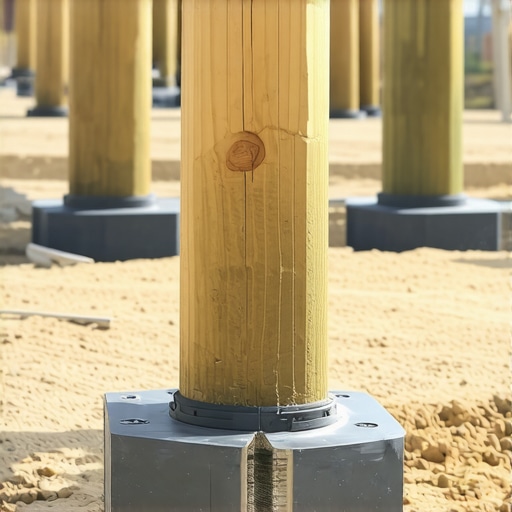
It was a sticky summer afternoon when I finally realized why my new deck looked uneven and wobbly—the moment I stepped onto it and felt that unsettling tilt under my feet. That lightbulb moment hit me hard: the culprit wasn’t just poor craftsmanship or bad materials; it was a simple, often overlooked detail that can make or break your outdoor project—**using leveling shims under every single post base**.
Why Skipping Leveling Shims Is a Common Mistake for Homeowners and Even Some Pros
I’ve built decks for years, and early on, I made the mistake of neglecting these tiny, crucial adjustments. I thought I could save time by skipping the shims, trusting my eye and a few snap lines to do the trick. But as anyone who’s ever dealt with uneven decks knows, the tiniest imbalance can lead to squeaky stairs, cracked boards, and a deck that feels more like a roller coaster than a relaxing space. My experience taught me that precision matters—every post needs a stable, level foundation.
Today, I want to share with you why this small step is so vital—because ignoring it could cost you time, money, and frustration down the line. I’ll also walk you through how I learned this lesson the hard way and how you can avoid the same pitfalls.
Is Leveling Really Worth All the Hype?
In the beginning, I wondered if those shims were just an unnecessary extra. Couldn’t I just eyeball the posts and call it a day? Well, that’s exactly the mistake I made early on. The truth is, studies show that even minor misalignments can significantly impact the structural integrity of your outdoor space. The American Wood Protection Association stresses the importance of proper foundation support to prevent future problems like rot, warping, and instability[1].
The key takeaway? Small details like leveling shims might seem insignificant, but their influence on your project’s longevity and safety is huge.
Have you ever faced a situation where a small oversight caused big headaches later? If so, you’re not alone. Many DIYers and even some pros overlook this step, thinking it’s just extra effort. But the reality is that taking the extra few minutes to ensure each post is perfectly level can save you countless hours of repairs and adjustments—trust me, I learned this the hard way.
Now that I’ve laid out why this topic matters so much, let’s dive into how you can make this a simple, reliable part of your deck-building process, starting with choosing the right shims and setting them up the right way.
Place the Posts and Check for Unevenness
Start by setting your posts in their designated spots, ensuring they rest on the concrete or footing. Use a carpenter’s level to check each post for plumbness and height. Think of this as aligning dominoes before stacking—precision here ensures a stable, level deck.
Select and Prepare the Right Shims
Choose high-quality, weather-resistant shims made from plastic or composite. Measure the gap between the post base and the footing to determine the shim thickness. Cut or stack shims as needed to achieve perfect contact. This step is like tailoring shoes; each shim is customized for a perfect fit.
Time for a Micro-Story
Once, I faced an uneven post where a slight slope caused my railing to look crooked. I used a 1/8-inch composite shim beneath the post base, adjusting until the post was perfectly plumb. The result was a seamless line in my railing, and it kept me from headache-inducing corrections later on. You can see how critical this small detail is—it’s the foundation of a truly professional look.
Secure the Shims Properly
Press the shims firmly under the post base, ensuring they don’t shift when you set the post. Use corrosion-resistant screws to temporarily hold them if needed, but avoid overtightening, which can deform the shims. Think of this as anchoring a tent stake—firm, yet gentle enough to prevent damage.
Double-Check the Level
Before permanently securing the post, re-check with your level. Use a carpenter’s level on the top of the post or a string line across multiple posts to verify consistency. Remember, as with stunning outdoor living projects, attention to detail ensures your deck feels right and looks professional.
Secure the Post in Place
Once aligned, fasten the post to the footing using the manufacturer’s recommended anchors or brackets, ensuring your foundation remains stable. Tighten slowly and incrementally, checking level as you go. Imagine tightening a bicycle spoke—adjust gradually to keep everything true.
Final Inspection and Adjustments
After securing, do a final check of all posts. If any are slightly off, loosen the fasteners and make micro-adjustments using additional shims. This process might seem meticulous, but it’s the secret to a deck that’s both level and long-lasting.
When it comes to creating stunning outdoor spaces, many enthusiasts and even seasoned DIYers fall prey to common misconceptions that can undermine their efforts. One prevalent myth is that composite decking requires no maintenance—while it’s marketed as ‘low-maintenance,’ understanding its nuances reveals that proper installation and choices greatly influence its performance and lifespan. For instance, selecting the wrong color or surface finish can lead to increased heat absorption, making your deck uncomfortably hot in summer, which is a detail often overlooked but crucial for comfort and durability[1].
Why do so many overlook the complexities of outdoor stairs design?
Many believe that all stairs are interchangeable, but subtle details like riser height, tread depth, and handrail placement directly impact safety and usability. A common mistake is ignoring the importance of consistent riser heights, which can cause trips and uneven appearances. As you plan your project, consider exploring advanced outdoor living tips to understand how nuanced design choices elevate your space.
Another misstep arises in the selection of composite materials. Many homeowners opt for the cheapest options, assuming all composites are equal. In reality, the quality of resin, core composition, and UV inhibitors significantly affect the decking’s ability to resist warping, staining, and fading. Choosing a top-tier composite with proper UV protection, such as capped polymer options, can save you countless repairs and replacements over time.
What advanced mistakes do even pros sometimes make?
One advanced mistake is neglecting proper joist spacing and even substructure support, leading to deck bouncing or sagging over time. According to structural experts, maintaining an optimal joist span and ensuring consistent support underneath composite boards is essential for safety and longevity. For example, following the joist span rule helps prevent costly issues later. Skipping this step or miscalculating can result in a deck that feels unstable, especially when supporting heavy furniture or gatherings.
Beyond the structural elements, weatherproofing is often underestimated. Applying sealants or stains without understanding their compatibility with composite ends or the specific environmental conditions can lead to premature wear. A nuanced approach considers climate, exposure, and maintenance routines, making it a key factor in outdoor success.
Finally, in the realm of stairs and outdoor lighting, many presume that standard fixtures suffice. But advanced outdoor lighting design involves understanding light spectrum, placement, and glare to enhance safety and ambiance without compromising aesthetics. Properly integrated lighting not only improves usability but also extends the enjoyment of your outdoor space into the evenings.
Have you ever fallen into this trap? Let me know in the comments or check out this guide on seamless outdoor transitions to deepen your understanding of subtle design elements that make a big difference.Maintaining a durable and attractive deck or outdoor living space requires not just careful initial construction, but ongoing attention to the right tools and routines. Over the years, I’ve refined my toolkit to include specific equipment that ensures quality results every time. One indispensable item is a high-precision laser level, such as the Bosch GSL 2.0. I use it not only during the initial post and beam placement but also for periodic checks to confirm that everything remains true over time, especially after harsh weather cycles. This non-contact device saves me from the inaccuracies of bubble levels, particularly on uneven terrain, and helps catch issues before they escalate beyond simple adjustments.
3 Surprising Truths I Wish I Knew About Leveling Deck Posts
One of my biggest lightbulb moments came when I realized that overlooking tiny details like shim placement can dramatically impact my deck’s lifespan. I learned that each post’s proper leveling isn’t just about aesthetics but about preventing structural issues years down the line.
Another lesson was discovering how many professionals still underestimate the importance of micro-adjustments before final tightening. It’s tempting to rush through, but patience during setup pays off with a perfectly level and durable deck.
Finally, I found that investing in high-quality shims and tools like a laser level can save me countless headaches. The time and money saved by doing it right from the start are invaluable. Remember, in outdoor projects, precision truly makes all the difference.