It was a sunny Saturday morning when I finally faced the consequences of my neglect—noticed water stains creeping down the end grain of the wood posts supporting my deck. That lightbulb moment hit hard: I had failed to properly seal these vulnerable ends, and now I was paying the price. If you’ve ever looked at your outdoor structure and wondered why moisture has seeped in or rotted has begun to take hold, you’re not alone. I learned the hard way that neglecting the end grain can lead to costly repairs and short-lived decks.
Why Sealing the End Grain Matters More Than You Think
End grain is like the straw that absorbs moisture, making it a prime entry point for water infiltration. Unlike the sides of the posts, which are usually protected, the cut ends are exposed and absorb water like a sponge. Over time, this can cause rot, decay, and compromise the structural integrity of your deck. Early on, I underestimated just how important this step was. I thought a solid paint job on the sides was enough. Turns out, water finds its way in through the ends, and all that effort goes to waste without proper sealing.
In fact, according to experts, neglecting end grain sealing is one of the most common mistakes homeowners make, leading to premature deterioration. Proper sealing creates a waterproof barrier, helping your posts last longer and maintaining the safety of your outdoor living space.
If you’re like me, you might be feeling a little skeptical. “Does sealing really make that much difference?” I get it. I used to think that if the sides looked good, the ends would be okay. But that mistake cost me time and money. Now, I understand that sealing the ends is a simple, cost-effective way to extend your deck’s lifespan.
Are you facing the same worries about moisture damage or wondering how to effectively seal those end grains? Don’t worry. In the next section, I’ll walk you through proven methods to seal your wood posts properly, so you can protect your outdoor investment.
Gather Your Tools and Materials
First, assemble everything you’ll need: a high-quality penetrating sealer suited for outdoor wood, a stiff-bristled brush or roller, painter’s tape, sandpaper (around 120 grit), and protective gear like gloves and safety glasses. Using a sealer like a penetrating oil creates a deep, long-lasting barrier, ensuring moisture doesn’t seep into the vulnerable finish. I recommend choosing a product with UV protection to prevent sunlight damage over time. When I sealed my posts, I made sure to wear gloves to avoid staining my hands, and I laid down drop cloths to catch drips. Having everything ready saves time and prevents missed spots.Many homeowners believe that choosing composite decking automatically guarantees low maintenance and durability, but this is a misconception. In reality, the nuances of installation and material selection can make or break your outdoor project’s longevity. For instance, not all composite boards are created equal—some fade faster or heat up excessively under direct sunlight, contradicting popular assumptions about “cool” composite options. According to a 2025 study by outdoor material experts, understanding the specific properties of different composite brands can save you from costly repairs down the line.
Another common myth is that stairs don’t need special attention beyond standard railing height and tread depth. However, improperly designed or built stairs can be hazardous, especially if the riser heights are inconsistent or the treads lack anti-slip features. Many overlook the importance of seamless transitions between deck and stairs, which not only enhance safety but also contribute to aesthetic appeal. You might want to explore expert tips on designing safe and stylish stairs in 2025, available [here](https://deckdesignbuild.com/designing-safe-and-stylish-stairs-for-outdoor-decks-in-2025).
Beware of the “set it and forget it” mentality: neglecting proper sealing of the end grains on composite and wood posts can lead to moisture intrusion and premature rot, regardless of the material’s reputation. Common mistakes include assuming that composite boards are entirely maintenance-free, while in truth, specific areas like stairs and post ends require sealing and sealing maintenance. It’s a trap many fall into, expecting longevity without dedicated upkeep.
Advanced homeowners often ask about integrating composite decks with other outdoor elements, such as built-in seating or lighting. Achieving a seamless look involves precise planning and understanding advanced installation techniques. For example, careful attention to waterproofing at transitions and junctions ensures your outdoor space remains durable and inviting. For inspiration and detailed guidance, check out [this guide on outdoor living ideas](https://deckdesignbuild.com/innovative-outdoor-living-ideas-with-composite-decking-in-2025).
Don’t forget that the quality of fasteners and installation methods heavily influences deck stability and safety. Cheap screws or improper fastening can cause boards to loosen or squeak over time, especially in high-heat or cold conditions. A study in the same report emphasizes the importance of using stainless-steel or coated fasteners suited for composite materials to prevent corrosion and ensure long-term performance.
Are you aware of these subtle pitfalls, or have you ever fallen into any of these traps? Share your experiences in the comments or reach out through our contact page. Remember, a well-informed homeowner makes the best decisions, ensuring your outdoor living space remains beautiful and safe for years to come.
Keeping Your Deck in Top Shape with Precision Tools
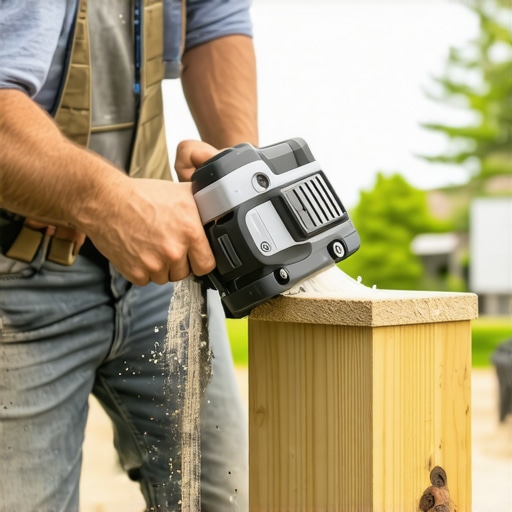
To ensure your outdoor space remains durable and beautiful, investing in the right tools is essential. I personally rely on a high-quality cordless oscillating multi-tool, which allows me to perform detailed repairs such as removing old caulk or sanding tight corners without hassle. Its versatility saves time and reduces the need for multiple devices. For sealing and cleaning, I use a pneumatic spray gun, which provides even coverage and is particularly effective when applying penetrating sealers to end grains. This method ensures thorough protection against moisture ingress, extending the lifespan of your posts and stairs.
Regular maintenance involves more than just tools; selecting software like deck planning apps helps map out your project efficiently. They assist in visualizing changes, calculating materials, and scheduling upkeep routines, making long-term maintenance more manageable. Remember, a well-planned approach minimizes surprises down the line and keeps your outdoor living spaces safe and inviting.
What tools do I recommend for sealing and repairing your deck structures?
I highly recommend using a penetrating sealer brush for detailed application around stubborn spots and end grains. Tetrachloroethylene-based sealers are effective but require careful handling, so I prefer eco-friendly alternatives like silicone-based sealers or eco-friendly oil linseed oils, which penetrate deep and resist UV degradation. For sanding, a random orbital sander with 120-grit disks provides smooth surfaces, preventing moisture trapping and enhancing sealant adhesion. These tools, combined with protective gear, make ongoing maintenance less of a chore and more of a routine.
Looking ahead, the trend points toward smarter, integrated maintenance solutions—like IoT-enabled moisture sensors that alert you when moisture levels rise, signaling the need for inspections or resealing. As technology advances, expect even more automated care that simplifies preserving your outdoor investment. For now, mastering the application of sealers and regular inspections using trusted tools is the best way to keep your deck performing well over the years.
How do I maintain stairs and transitions to prevent costly repairs?
Stairs are often overlooked but crucial components of outdoor living spaces. Regularly inspecting and tightening fasteners with a impact wrench ensures stability. Applying protective coatings on stair risers and treads with a high-quality sealant keeps moisture out and reduces cracking. For seamless transitions, I recommend inspecting caulking and flashing to prevent water infiltration. Creating smooth, waterproof transitions between deck and stairs enhances safety and aesthetic appeal. Consider integrating slip-resistant strips, which can be adhered with specialized adhesive, for added safety—especially vital in wet climates. By maintaining these elements diligently, you’ll avoid early deterioration and preserve the safety and beauty of your outdoor stairs for years.
Don’t forget—regularly cleaning debris with a leaf blower or a power washer (set to low pressure) keeps dirt and algae at bay, augmenting your overall maintenance regimen. Try one or two of these expert-recommended tools today to start turning your outdoor space into a durable, long-lasting haven.
} }**
}**
Image prompt: A homeowner using a cordless oscillating multi-tool to sand a deck post, highlighting precision maintenance tools.
Alt text: Homeowner carefully sanding outdoor deck post with a multi-tool for maintenance.
**
The Hardest Lesson I Learned About Deck Maintenance
My biggest takeaway was realizing that attention to detail in sealing end grains can prevent costly repairs and preserve the beauty of your outdoor space. Overlooking this step taught me that small neglected areas become major problems over time.
Another insight was understanding that not all sealers are created equal. Investing in high-quality penetrating sealers with UV protection made a visible difference in the longevity of my deck, saving me money and effort down the line.
Finally, I discovered that regular inspections and timely maintenance are essential. Even the best sealant won’t last forever; staying vigilant ensures your deck remains safe and inviting for years to come.