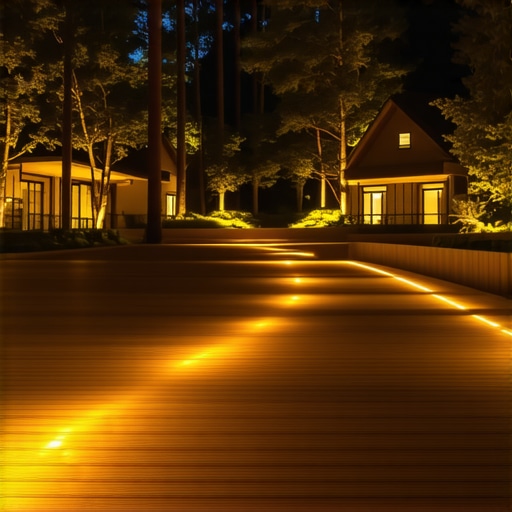
It was a chilly evening when I finally decided to enjoy my backyard after a long day. As I stepped onto my deck, I turned on the new lights, only to be met with glaring beams bouncing into my neighbors’ windows. The glow was so intense it felt like I was shining a spotlight directly on them. That moment was a real lightbulb—lighting can make or break your outdoor atmosphere, but it also needs to be considerate of your neighbors. Have you ever experienced this? If so, you’re not alone. Many outdoor enthusiasts overlook the importance of choosing the right deck lighting, resulting in annoyance or even conflict. Today, I’ll help you steer clear of those blinding mistakes and show you how to illuminate your space beautifully without causing a glare.
The Secret to Subtle, Effective Deck Lighting
When I first started experimenting with deck lighting, I thought brighter was better. I placed LED spots high up, hoping to create a festive vibe, only to realize I was blinding everyone in sight. That’s when I learned an essential lesson: the key isn’t just brightness, but direction, placement, and fixture choice. Properly selected lights can cast warm, inviting glows while preventing light pollution. If you’re considering upgrading your outdoor lighting, I recommend exploring options like low-profile fixtures designed for safety and ambiance. For inspiration, check out The Best Low Profile Deck Lighting for Dark Corners. To truly master the art of non-blinding lighting, understanding the nuances of fixture positioning and light diffusion is crucial. Let’s dive into what makes perfect deck lighting—and how you can achieve it with minimal fuss.
Choose the Right Fixtures for Soft, Uniform Light
When I installed my first set of deck lights, I initially went for bright, high-wattage spotlights. The result was blinding glare that reflected into my neighbor’s windows. To fix this, I replaced the spots with low-profile fixtures attached close to the deck surface, which diffused the light evenly. Opt for fixtures with diffusers or sloped hoods that direct light downward, minimizing glare and creating a cozy ambiance. For an example of innovative outdoor lighting solutions, explore this guide on low profile deck lighting. Remember, the goal isn’t just brightness but creating a gentle glow that enhances your space without overwhelming it.
Strategic Placement and Spacing of Lights
During my second attempt, I laid out a lighting plan that mimicked natural moonlight. I installed smaller fixtures along the perimeter, about 3-4 feet apart, ensuring each light’s beam overlapped slightly, producing smooth, shadow-free illumination. To prevent hotspots, keep fixtures at the same height and angle, spaced evenly around the deck’s perimeter or seating areas. Think of it like stitching a quilt—each piece must align to create a seamless pattern. For more ideas on maximizing space with lighting, visit this article on outdoor space maximization. Proper spacing not only avoids over-bright spots but also maintains even distribution, making your deck inviting and safe.
Angle Fixtures to Eliminate Glare
I once installed pathway lights pointing directly towards the deck, which resulted in uncomfortable glare. I learned that angling fixtures away from eye level and towards the deck surface effectively diffuses the light and reduces harsh reflections. Use adjustable fixtures that can be tilted precisely; this allows you to experiment with angles until glare is minimized. A good analogy is adjusting a flashlight to illuminate a room without blinding everyone in it. For specific guidance on angle optimization, see this resource on low profile lighting angles. Fine-tuning fixture angles is critical—small adjustments can make a significant difference in comfort and aesthetic. Test different angles during dusk to see how shadows and glare change, ensuring you achieve a subtle, warm glow that invites outdoor enjoyment.In the world of outdoor living, many homeowners and even some professionals tend to overlook subtle yet critical aspects that can determine the longevity, safety, and aesthetics of a deck. One prevalent misconception is the belief that choosing a popular composite decking brand suffices for durability. However, not all composite materials are created equal; factors like cell structure, cap layers, and manufacturing standards significantly influence performance over time. For instance, some lower-end composites are prone to staining, fading, or mold growth, which can be mitigated by opting for higher-quality options like capped polymers, as discussed in this guide.
Another common mistake is underestimating the importance of precise framing and support structures. Many DIY enthusiasts focus on surface materials but overlook that improper support spacing or inadequate footing can lead to sagging or even structural failure. Expert advice suggests that following the 12-inch joist span rule and ensuring proper footing depth, especially on slopes or soft soil, is crucial. For more on this, see this article.
Let’s tackle a more nuanced aspect—how stairs connect to your outdoor space. Precision in riser height and tread depth isn’t just about aesthetics; it’s about safety and accessibility. Uneven risers can cause trips, especially for elderly or disabled users. Many overlook the importance of strict compliance with codes and standards, which can vary by region. A detailed resource is available at this page.
Now, consider the advanced question: How do the hidden thermal expansion characteristics of different composite brands influence long-term joint integrity? Some composites expand or contract more than others with temperature fluctuations, leading to warping or joint separation. Studies indicate that selecting materials with similar thermal coefficients helps maintain structural cohesion over decades. For deeper insight, review this comprehensive guide.
Avoiding these nuanced pitfalls requires an expert eye and understanding beyond surface-level choices. Working with a seasoned deck builder or thoroughly researching materials can save you costs and frustration later. For professional assistance, reach out through this contact page. Have you ever fallen into this trap? Let me know in the comments.
Keeping your outdoor deck in top shape requires the right tools and a consistent maintenance routine. As I’ve learned through hands-on experience and consulting with professional deck builders, investing in quality equipment can make all the difference in ensuring your deck remains beautiful and functional for years to come. For example, a high-quality cordless impact driver simplifies fastener installation and removal, especially when working with composite decking materials that can be sensitive to improper fastening techniques. I personally prefer the Makita XDT12 impact driver because of its power-to-weight ratio and reliability under continuous use.
When it comes to cleaning, I recommend using a soft-bristle brush paired with a gentle, deck-safe cleaner. Avoid harsh pressure washing, which can damage composite surfaces or wood grain over time. Instead, a telescoping brush allows you to reach into corners and under railings without excessive strain. Regularly inspecting for loose fasteners and re-tightening them ensures your deck remains safe and stable, preventing costly repairs later.
For sealing and protecting your deck, I suggest applying a high-quality, breathable stain or sealant. I’ve found that products like these treatments help maintain color and resist moisture infiltration, especially on composite decking that benefits from a protective barrier against mold and staining. Remember, reapplying sealant every 2-3 years prolongs the lifespan of your deck and keeps it looking fresh.
Looking ahead, I believe automation tools could revolutionize deck maintenance. Robotic cleaners or smart monitoring sensors might become standard, alerting homeowners to issues like water intrusion or structural shifts without manual inspections. Embracing these innovations can make long-term upkeep more manageable and less time-consuming.
How do I maintain my deck over time?
The key to long-lasting outdoor living spaces lies in proactive maintenance. Regular cleaning, monitoring fasteners, and timely sealing prevent minor issues from escalating. Incorporating tools like a cordless impact driver and gentle cleaning equipment can streamline these tasks, saving time and effort. Additionally, investing in quality materials and following professional guidance, such as the advice found in this comprehensive resource, ensures durability and aesthetic appeal.
If you’re ready to enhance your maintenance routine, start by trying out a cordless impact driver paired with a moisture-resistant sealant. These tools, combined with periodic inspections, will keep your deck safe and inviting for years that lie ahead.
Don’t forget to schedule regular reviews of your deck’s support structure, similar to the support evaluations practiced by professional deck builders. Modern tools and techniques can dramatically extend your deck’s lifespan while maintaining its stunning appearance. Dive into these tips and see how easy it can be to keep your outdoor oasis in prime condition!

Lessons That Didn’t Make the Cut—And Why They Matter
My biggest takeaway has been the importance of patience and precision. Rushing through fixture placement or neglecting angle adjustments initially led to glare problems that took time to fix. Now, I realize that even small tweaks—like angling lights downward or spacing fixtures evenly—can have a profound impact on ambiance and comfort.
Don’t underestimate the power of testing your lighting settings at dusk. It’s the most authentic way to see how shadows and glare behave, saving you headaches later. Additionally, I learned that investing in high-quality fixtures with diffusers might seem costly upfront but pays off in durability and aesthetic consistency over years. The key is developing an eye for subtlety, which only comes with experience and a willingness to experiment.
Patience and attention to detail are your best friends when achieving beautifully understated outdoor lighting.
Tools and Resources That Keep My Deck Bright and Safe
Over time, I’ve found that certain tools and references are indispensable for maintaining and enhancing my outdoor spaces. First, the low profile deck lighting guide has been my go-to source for selecting fixtures that don’t glare and blend seamlessly. For fastenings and structural support, I trust the composite deck selection tips, which ensure longevity and low maintenance. When it comes to executing perfect angles, I rely on adjustable fixture guides, combined with trial runs at dusk. Lastly, consulting the outdoor transition design articles has helped me understand how lighting can highlight staircases and pathways safely and stylishly. These resources empower me to troubleshoot issues promptly and keep my outdoor haven inviting and secure.
Your Path to Outdoor Lighting Confidence Starts Today
Designing a deck with just the right lighting isn’t a distant dream—it’s a project anybody can embrace with a little guidance and curiosity. Every adjustment you make, from fixture angle to spacing, gradually transforms your outdoor space into an inviting oasis that welcomes you and your loved ones. Take the leap, experiment during dusk, and don’t shy away from learning from each trial. Remember, a well-lit deck extends your outdoor evenings and safeguards your family’s comfort and safety. Now is the perfect moment to turn your deck into a softly glowing retreat—why wait on brilliance when you can start today? Share your lighting challenges or successes below, and let’s grow together into outdoor living masters.