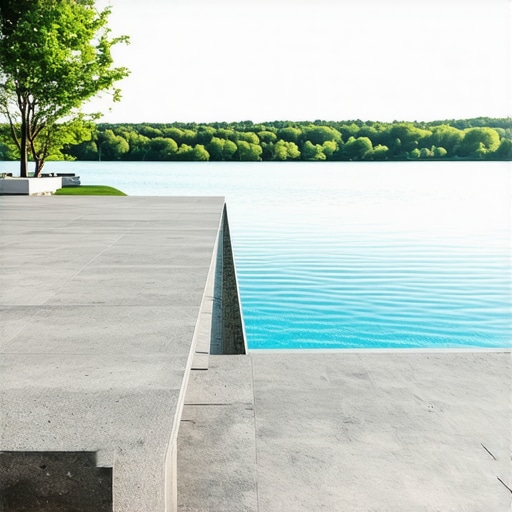
I vividly remember the summer I raced to finish my poolside deck before the warm months slipped away. After weeks of relentless sanding, staining, and battling unpredictable weather, I finally stepped back to admire my handiwork. But within months, I noticed unsightly dark spots and warping taking over the beautiful boards. Frustration set in. I realized I had overlooked a crucial aspect of selecting the right decking material—one that could withstand the relentless sun, water, and foot traffic all season long.
Discover the Real Solution for Long-Lasting Pool Decks
The breakthrough came when I learned about mineral-core boards. These innovative materials are quickly becoming the new standard for outdoor deck projects, especially around pools. Unlike traditional composite or wood options, mineral-core boards offer superior resistance to heat, moisture, and UV damage. They don’t expand, warp, or discolor as easily, saving homeowners from costly repairs and maintenance headaches.
Is the Hype for Mineral-Core Boards Justified?
Initially, I was skeptical. I’d made the mistake early on of trusting generic brands without understanding their core differences. I assumed all composite decking was created equal—big mistake. It’s worth noting that according to recent trends in outdoor living in 2025, mineral-core technology is leading the way for durability and safety. As a trusted source explains, choosing the right materials can significantly extend your deck’s lifespan and aesthetic appeal.
If you’re tired of dealing with fading, cracking, or moldy boards, you’re not alone. Many homeowners face these issues due to choosing cheaper, traditional composites that can’t handle poolside conditions. My hope is to guide you through the reasons why more people are turning to mineral-core boards and how they can save you time, money, and frustration. Let’s explore how this game-changing material can elevate your outdoor space and give you peace of mind every summer.
Prepare Your Workspace for a Seamless Installation
Before starting, clear the area around your pool completely, removing any debris or old decking materials. Use stakes and string to mark the outline of your deck, ensuring proper measurements and symmetry. I once neglected the planning phase and ended up with uneven cuts that required a re-do—so take your time here.
Design Your Deck Layout with Safety and Style in Mind
Decide on the deck shape, considering the space available and your aesthetic preferences. Incorporate features like stairs and railings early in your design. Remember, designing for safety is key; proper stair dimensions and handrail heights prevent accidents. I used [expert tips](https://deckdesignbuild.com/creating-seamless-transitions-stairs-as-key-elements-in-outdoor-living) to perfect my stair setup, resulting in a safer, more appealing space.
Lay the Foundation with Concrete Footings
Dig post holes at the pre-marked points, ensuring they are deep enough to reach below the frost line, especially in colder climates. Pour concrete into each hole to set your support posts. When I did this, I made sure to use gravel at the bottom for drainage, which prevented water pooling and potential rot.
Frame the Deck with Precision
Attach pressure-treated ledger posts to the house and support beams to the footings, creating a sturdy frame. Use a level to ensure every component is plumb and flush. I discovered that using a laser level significantly sped up this process and improved accuracy. Tighten all bolts securely, as loose connections cause bouncing or wobbling later on. For detailed framing guidance, visit [this resource](https://deckdesignbuild.com/creating-seamless-transitions-stairs-as-key-elements-in-outdoor-living).
Attach Mineral-Core Boards Effectively
Lay out the mineral-core decking boards, starting from the house outward. Use stainless steel screws designed for composite materials, inserting them at uniform intervals—typically every 12 inches—while avoiding over-tightening, which can cause board cracking. During my first attempt, I over-tightened and noticed the boards cracking, reinforcing the importance of precise screw depth and torque. Pre-drill holes if necessary to prevent splitting. For optimal fastening techniques, check [this guide](https://deckdesignbuild.com/choosing-the-right-composite-decking-for-durable-low-maintenance-outdoor-areas).
Manage Expanding and Contracting with Proper Spacing
Leave slight gaps (about 1/8 inch) between boards to accommodate thermal expansion and contraction, especially critical in poolside environments where temperatures fluctuate. I learned this the hard way when boards expanded during a hot spell and caused buckling—leaving gaps prevented this issue entirely.
Finish with Safety and Aesthetics
Install stair risers and handrails according to code, ensuring secure anchoring on mineral-core backing. Add non-slip stair treads or outdoor rugs designed for composite decks to prevent slips. Finally, apply a UV-resistant sealant if needed, but be cautious not to block the surface’s breathability. Proper finishing touches make your deck both beautiful and safe, transforming your outdoor space into a true oasis.
Many DIY enthusiasts and homeowners assume that choosing the right composite decking is mostly about selecting the color and price point. However, true outdoor performance involves subtle factors that often go unnoticed, leading to costly mistakes. One such nuance is how the composite’s density and core composition impact longevity and maintenance—features that experts prioritize over aesthetic choices alone. Contrary to popular belief, a cheaper composite brand might seem attractive initially but could require frequent replacement due to insufficient UV resistance or improper expansion allowances. For advanced deck builders, understanding the thermal expansion coefficients of different materials is crucial; ignoring these can cause warping or buckling during temperature swings.
Why do some composite decks warp over time despite manufacturer claims of durability?
This is often linked to a failure to account for climatic conditions and proper spacing during installation. As noted by industry leaders, neglecting expansion gaps or using materials with incompatible thermal properties can accelerate deformation. Be wary of the ‘one-size-fits-all’ advice from some retailers—what works in a humid climate may not suit drier regions, and vice versa. Moreover, many overlook the importance of a skilled deck builder who tailors the framing and fastening methods to the specific materials used. A professional’s touch ensures stability and prevents issues like squeaking or loose railings, which are common pitfalls. Investing in expertise pays off. My experience has shown that mastery in installing not only enhances safety but also preserves the deck’s aesthetic appeal for decades. When planning your outdoor space, consider the advanced techniques outlined in this detailed guide to a flawless finish. Remember, the devil is in the details—especially with complex outdoor projects. Know what most get wrong, and you’ll enjoy a resilient, beautiful deck that stands the test of time.
Keep Your Deck in Prime Condition with Precision Tools and Smart Maintenance
Maintaining a composite deck, especially one built with mineral-core boards around pools, requires more than just occasional cleaning. Having the right tools ensures repairs, cleaning, and upgrades are efficient and long-lasting. I’ve personally depended on high-quality equipment, like a cordless oscillating multi-tool, which allows me to make precise cuts or remove damaged boards without disturbing the surrounding surface. This tool’s variable speed and versatility mean I can tackle different tasks—from sanding edges to removing stubborn sealants—quickly and safely.
For cleaning, I recommend investing in a pressure washer with adjustable PSI settings. I set mine to around 1,500 PSI to remove dirt without risking surface damage. Pair it with a broad fan nozzle and a biodegradable deck cleaner designed for composite surfaces. I favor brands that specify their compatibility with mineral-core materials because they prevent stripping away protective coatings or causing surface etching, which can lead to warping or dark spots over time.
Implement Routine Inspection and Repairs
Weekly visual inspections can catch issues like loose fasteners, minor warping, or drainage problems early. Equipping yourself with a magnetic screw retrieval tool makes it easier to locate and tighten or replace lost screws—saving frustration when working on extensive decks. For larger repairs or to address uneven boards, I use a deck screw gun fitted with a torque control setting, so I ensure fasteners are flush, avoiding over-tightening that leads to cracks or buckling. Consistent maintenance with these tools prolongs the deck’s lifespan and preserves its aesthetics.
Trend Prediction: Smarter, Safer, and More Sustainable Tools
Looking ahead, the trend leans toward intelligent maintenance systems—think sensors that monitor moisture levels or UV exposure, alerting homeowners before minor issues escalate. Power tools are becoming more energy-efficient and equipped with features that promote safety, such as anti-kickback mechanisms and automatic shut-offs. As advanced composites like mineral-core boards become the norm, maintenance tools will evolve to be more precise and gentle, reducing surface wear and extending intervals between repairs.
How do I keep my outdoor living space functional over time?
Key to long-term performance is combining proper cleaning routines with targeted repairs. Regularly checking fasteners, sealing minor cracks, and removing debris prevents damage from moisture and UV rays. Additionally, selecting the right maintenance tools tailored for composite decking ensures efficiency and safety. For example, using a specific cleaner like industry-recommended solutions can prevent dark spots or mold. I highly suggest trying a cordless multi-tool for detailed repairs—it’s a game-changer. Remember, maintenance isn’t just about upkeep; it’s about preserving beauty and safety for decades to come, just as professional deck builders do. For more insights, check out tips from expert builders to ensure your project lasts.
Lessons Only the Pros Will Share About Deck Durability
- My biggest realization was that overlooking thermal expansion could turn a beautiful deck into a warping nightmare; paying close attention to expansion gaps saved me from costly repairs.
- Choosing the right fasteners isn’t just about convenience—stainless steel screws and proper torque are crucial for preventing cracks and ensuring longevity, a mistake I won’t repeat.
- I learned that detailed planning in the design phase, especially incorporating safety features like proper stair dimensions, makes all the difference in functional outdoor living spaces.
- Understanding the subtle differences in composite core materials, like mineral-core versus standard composites, can extend your deck’s lifespan by years—something I wish I had known sooner.
My Top Recommendations for Outdoor Decking Success
- Invest in quality tools like a cordless multi-tool and an adjustable pressure washer; they make repairs and maintenance faster and more precise. My trusted sources include specialty deck tools and industry-approved cleaning solutions.
- Read expert-designed guides such as this comprehensive resource on seamless stairs and transitions; it’s invaluable for lasting craftsmanship.
- Stay updated with trends by exploring the latest innovations in composite materials, ensuring your deck stays resilient and stylish for years to come.
- Don’t underestimate the power of a skilled deck builder—consultations can prevent mistakes and save you time and money, as I experienced firsthand. Learn more at this article.
Your Next Step Toward Outdoor Excellence
Building a durable, beautiful pool deck isn’t just about choosing the right materials—it’s about understanding the nuances that ensure longevity. With the right knowledge and tools, you can create an outdoor haven that lasts for generations. Remember, every detail matters—from precise framing to optimal expansion gaps—so don’t rush. Dive into these expert tips and elevate your outdoor living space today. What’s your biggest challenge in deck building or maintenance? Share your experience below—I’d love to hear your story and help you find solutions.