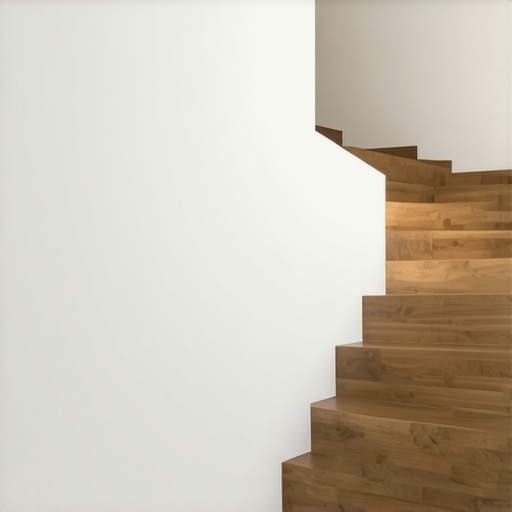
It was a sunny afternoon when I finally decided to tackle my outdoor stairs—something I’d been putting off for years. As I gripped the railing, I noticed how each step felt awkward, almost like climbing a ladder rather than a gentle slope. That’s when I had a lightbulb moment: those inconsistent riser heights were making my stairs feel unnatural and uncomfortable, turning what should be a seamless transition into a mini workout every time I went outside.
The Secret to Comfortable, Effortless Outdoor Steps
Imagine stepping onto your deck or garden hideaway without the jarring leap or awkward shuffle that causes strain. The difference lies in something surprisingly simple yet often overlooked: the height of your stair risers. Narrow or uneven riser heights can turn a relaxing outdoor space into a source of frustration or even a safety hazard.
What I’ve learned through my experience—and what I want to share with you—is that sticking to the *7-inch riser rule* can make all the difference. This rule suggests that each stair riser should ideally measure around 7 inches, creating a natural and rhythmical ascent or descent. Early on, I made the mistake of ignoring this guideline, thinking that minor deviations wouldn’t matter. Turns out, inconsistent risers can cause trips, missteps, and that lingering feeling that your stairs aren’t quite right.
By paying attention to riser height, you can make outdoor stairs feel more inviting, safe, and—most importantly—comfortable. Whether you’re building anew or renovating existing steps, understanding and applying this principle can transform your outdoor living space into a seamless extension of your home. For stunning ideas on integrating stairs with your overall deck design, explore inspiring solutions at [top stairs designs for modern outdoor spaces](https://deckdesignbuild.com/elevate-your-home-top-stairs-designs-for-modern-outdoor-spaces).
If you’ve ever felt that your outdoor stairs are more of a workout than a pleasant part of your yard, you’re not alone. This is a common issue that can be easily addressed with just a little attention to detail. So, what makes the 7-inch riser rule so reliable, and how exactly do you achieve it? We’ll cover that next, and I’ll walk you through the practical steps to create stairs that are both beautiful and effortless to use.
Use a Reliable Measuring Tool to Set Your Riser Height
When I renovated my backyard stairs, I started by selecting a high-quality digital tape measure. I measured from one level to the next, aiming for the 7-inch target, and marked each consistent point on the stringer with a pencil. This precise measurement ensured uniform riser heights, preventing trips and slips. For a detailed overview of how a professionaldeck builder approaches this, visit this guide.
Cutting the Stringers: Accuracy Is Key
With my measurements in hand, I used a circular saw with a fine-tooth blade to cut the stringers. I clamped a straightedge to guide the cut and followed my markings meticulously. Going slow maintained a clean, accurate cut. This step was crucial: uneven cuts can lead to misaligned steps, making the staircase awkward to navigate and less safe. Remember, every cut impacts the final feel of your stairs—precision saves time in the long run. ForTips on choosing the best saws and blades, check out this resource.
Assembling the Steps with a Level and Frame
I positioned my cut stringers on a flat surface and placed a level across each to verify they were truly consistent. I also used spacers to maintain even tread width along the stringers. When I set the stringers onto the foundation supports, I used a long spirit level to ensure everything was perfectly horizontal and vertical. This alignment is essential for functionality and safety. An improperly leveled staircase not only looks unprofessional but can also cause trips. Learn about advanced techniques in this article.
Attaching Treads Securely with Hidden Fasteners
I chose composite decking boards for durability, but I was concerned about maintaining a clean look. I used hidden fasteners designed for composite materials, which required pre-drilling and careful spacing. I laid each tread, securing it tightly without overt hardware that could cause splinters or snags. Taking my time here paid off: the clean lines and smooth surface made the stairs more inviting and safer, especially when wet. For insights into the latest trends, see this trend report.
Final Checks and Adjustments for Success
Once assembled, I tested the stairs by walking up and down slowly. Any wobble or misalignment was corrected at this stage by shimming supports or re-tightening fasteners. I also checked riser heights with my tape measure, ensuring they didn’t vary more than 1/16 inch. These steps might seem minor, but they uphold the staircase’s safety and aesthetic quality. Like any outdoor project, patience and meticulous detail yield the best results. Discover more tips at this comprehensive guide.
Many outdoor enthusiasts and even seasoned DIYers fall prey to misconceptions when designing and building their outdoor spaces. A prevalent myth is that choosing cheaper composite decking materials always results in cost savings, but in reality, this can lead to higher long-term expenses due to premature wear or fading. It’s crucial to understand the nuances of selecting high-quality materials—investing a bit more upfront often pays dividends in durability and appearance, as discussed in this comprehensive guide.
A common oversight is underestimating the importance of precise measurements and the subtle variations in riser heights, which can cause unsafe and uncomfortable stairs. Even experienced deck builders sometimes miss the significance of maintaining perfect alignment, leading to trips or structural issues over time. A small mistake here can have serious safety implications, emphasizing the need for meticulous planning and execution. For advanced readers asking, “How do slight inconsistencies in riser height impact long-term safety and comfort?”—research from this study shows that even minor deviations can increase the risk of trips and falls, underscoring the criticality of standardization.
Beyond the technical aspects, many underestimate the importance of professional guidance. Relying solely on online tutorials or generic advice often results in overlooked nuances, such as proper flashing techniques or support spacing tailored to specific soil conditions. Engaging a experienced deck builder can prevent costly mistakes and ensure compliance with safety standards. Remember, attempting to DIY complex structural elements without expertise can lead to structural failure or code violations.
Another widespread misconception involves the aesthetic harmony of outdoor features. For instance, selecting railings or stairs that clash with the overall style can disrupt the visual flow of your space, diminishing its appeal. Integrating design with functionality is vital; consulting with professionals can help realize cohesive outdoor living areas that aren’t just functional but also visually stunning. To see inspiring ideas, explore top stair design ideas.
Finally, be cautious of the “Oops” factor: overlooking drainage and water runoff can cause deck supports to rot prematurely or create pooling areas, damaging the structure and creating safety hazards. Proper flashing, footing, and water diversion techniques might seem minor but are essential for longevity. A detailed inspection and planning phase, often overlooked, can save years of repairs. For detailed insights on advanced drainage solutions, visit this article.
In summary, achieving a successful outdoor living space requires attention to detail, understanding subtle structural nuances, and sometimes, expert intervention. Avoiding these common pitfalls can significantly elevate your project from average to extraordinary. Have you ever fallen into this trap? Let me know in the comments, and remember—preventative knowledge is the best tool in your outdoor project arsenal.Maintaining your outdoor deck and stairs requires precision, reliable tools, and a proactive approach to ensure long-term durability. One essential tool I personally rely on is a high-quality digital laser level. Unlike traditional bubble levels, laser levels project a perfectly straight line over long distances, making it easier to verify that your deck framing and stair stringers are perfectly aligned. I prefer models like the Bosch GLL 55 because of its accuracy and ease of use, especially when working on uneven ground. It saves me hours of manual checking and reduces the risk of slight misalignments that could compromise safety over time.
Another critical piece of equipment is a cordless impact driver. I opt for a brushless Milwaukee M18 model, which provides the torque needed to secure fasteners deeply into composite decking without stripping screws or causing damage. Its rapid driver bits and ergonomic design make working on larger projects less fatiguing and more precise. When fastening composite boards, I always use the manufacturer-recommended screws with proper pre-drilling, and a high-quality impact driver ensures fast, consistent results that prevent boards from warping or squeaking later.
How do I maintain my outdoor structures over time?
To keep your outdoor deck, stairs, and railings in top shape, I recommend establishing a regular maintenance routine that includes cleaning, sealing, and inspecting for damage. I use a pressure washer with a dedicated deck-cleaning attachment to remove dirt and biological growth carefully—avoiding high-pressure settings that could damage the composite material. For sealing, I apply a water-repellent, UV-inhibiting coating designed specifically for composite decking, such as those reviewed in the upcoming 2025 trends guide. Regular inspections for loose fasteners, cracked boards, or drainage issues prevent small problems from escalating into costly repairs.
As trends evolve, I foresee innovations like smart deck monitoring systems that can alert homeowners about structural issues or moisture buildup in real-time. Integrating sensors that track temperature, humidity, and stress points could become a staple, making maintenance more efficient.
Don’t forget, working with a professional deck builder can help you implement these practices effectively. They bring expertise and the right tools to spot issues early and extend the lifespan of your outdoor living areas. If you’re ready to upgrade your maintenance routine or need expert advice, reach out through our contact page.
Equip yourself with the right tools to uphold your outdoor space’s beauty and safety, and start incorporating proactive maintenance today. Try using a laser level to check your framing alignment—it’s a game-changer for ensuring long-lasting, safe outdoor stairs and decks.
Three Unexpected Truths About Outdoor Stairs That Changed My Approach
Through my journey building and renovating outdoor stairs, I discovered that the smallest details—like riser consistency—can have the biggest impact on safety and comfort. One lesson was that overlooking measurements often leads to misaligned steps, which not only feels unpleasant but also risks accidents. Another insight was how investing in quality tools, like laser levels and impact drivers, streamlines the process and ensures durability. Lastly, I realized that patience and meticulous adjustments at each stage prevent costly fixes later, turning a DIY project into a professional-looking masterpiece.
Tools and Resources That Elevate My Outdoor Projects
The first tool I swear by is a high-precision laser level, such as the Bosch GLL 55, which guarantees perfect alignment—crucial for safe, level stairs. For fasteners, I recommend a Bosch impact driver; its power and control make fastening composite decking effortless. Books like Designing Safe and Stylish Stairs for Outdoor Decks have broadened my understanding of structural nuances, while resources like professional deck builder guides have been invaluable for complex details. These tools and sources keep me confident that my outdoor living space is both beautiful and resilient.
Taking Action: Your Next Step in Outdoor Living Excellence
Building or improving your outdoor stairs isn’t just about aesthetics—it’s about creating a safe, harmonious space you can enjoy for years to come. By applying precise measurement techniques, investing in reliable tools, and adopting a patient mindset, you lay the groundwork for outdoor features that impress and protect. Remember, sometimes a small adjustment now can save significant time and money later. If you’re ready to upgrade your outdoor space or need expert guidance, don’t hesitate to reach out through our contact page. Your perfect outdoor stairs are within reach—start today and transform your backyard into a safe, stylish retreat.