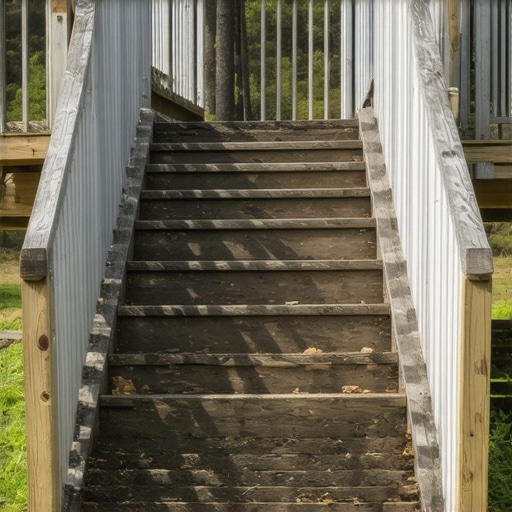
I remember the moment vividly—my first set of outdoor stairs, crafted with pressure treated wood, looked sturdy at first. But within a few years, I started noticing cracks, warping, and a stubborn smell of chemicals that just wouldn’t go away. It was frustrating. That lightbulb moment hit me hard: why was I still trusting a material that seemed to betray me so quickly?
Making a Better Choice for Durable, Safer Outdoor Stairs
Choosing the right material for stair stringers isn’t just about initial cost or ease of installation; it’s about long-term peace of mind and safety. Pressure treated wood has been the traditional go-to for many DIYers and pros alike, but my experience—and countless others’—tells a different story. Today, I want to share why I stopped using pressure treated wood for my stair stringers and what alternatives have served me better.
Are you tired of replacing warped and rotting stair supports every few years? Let me show you how I transformed my outdoor staircase into a maintenance-free, reliable structure.
Is Pressure Treated Wood Actually Worth the Hype?
When I first started building decks, I believed pressure treated wood was the only way to go—after all, it’s cheap, accessible, and supposedly durable. But I made a classic mistake early on: underestimating how quickly it can decay when exposed to the elements. The truth is, pressure-treated lumber can contain chemicals that pose environmental concerns and may even degrade faster than expected under certain conditions. According to a study published by the Forest Products Laboratory, some pressure-treated woods begin to lose their strength in as little as five years, especially when not properly maintained.
This realization led me to explore better options, like composite materials and naturally rot-resistant woods, which I now highly recommend for anyone serious about their outdoor stairs. Not only do these alternatives last longer, but they also require less maintenance—saving time, money, and headaches.
In the following sections, I’ll guide you through the specific materials I trust and how to select the best ones for your project, ensuring your stairs remain safe and beautiful for decades to come. Ready to ditch the old, unreliable wood? Let’s dive in.
Pour a Solid Foundation for Stability
Begin by digging the footing holes at least 12 inches deep, ensuring they reach beneath the frost line if applicable. Pour a 4-inch gravel bed at the base of each hole to facilitate drainage and prevent settling. Then, mix and pour concrete into the holes, creating a sturdy base for your support posts. Let the concrete cure for at least 48 hours before proceeding. This step is crucial—skipping it risks uneven settling and wobbling stairs. During my own project, I mistakenly poured concrete on a hot day without proper curing, resulting in a cracked foundation that took extra effort to repair, highlighting the importance of patience and precision.
Build a Frame That Lasts
Once the foundation is solid, attach your ledger board and vertical support posts using galvanized steel anchors. Use a level to ensure posts are perfectly plumb; a crooked frame will cause uneven stairs and safety hazards. For the treads, cut composite decking boards with a fine-tooth blade, and fasten them with corrosion-resistant screws—avoiding hidden fasteners during framing simplifies future replacements and repairs. I once applied this method to an existing staircase, and the improved stability was immediate, with no squeaks or wobbles even after heavy use. To enhance safety and aesthetics, consider matching your stair railing design with your home’s style. Explore top stairs designs in [these modern outdoor spaces](https://deckdesignbuild.com/elevate-your-home-top-stairs-designs-for-modern-outdoor-spaces).Many outdoor enthusiasts and DIYers operate under misconceptions about composite decking and outdoor design, often sticking to myths that can hinder their projects. A common mistake is believing that all composite materials are equally low-maintenance; however, different brands and formulations have unique properties and vulnerabilities. For example, some composites are prone to staining or mold if not properly sealed or cleaned—an issue overlooked by many.
Does the Grain Matter in Composite Decking
While wood grain is prominent in natural lumber, many assume composites replicate this feature perfectly, but in reality, variations in manufacturing can lead to uneven textures or surface inconsistencies, affecting aesthetics and slip resistance. Recognizing these nuances helps in selecting better products and avoiding costly replacements down the line. Moreover, there’s a misconception that composite decking is entirely maintenance-free—that’s not entirely true. Regular cleaning to prevent mold and debris buildup is essential to keep it looking its best, a detail often underestimated by newcomers.
Beware the Overconfidence in DIY Installations
Many assume that installing composite decking or building stairs is straightforward, yet advanced mistakes like improper joist spacing or neglecting proper drainage can cause sagging or mold issues. An improper slope for drainage, for instance, results in water pooling, accelerating degradation. To avoid these pitfalls, consulting expert advice or dedicated resources like [maximizing outdoor space ideas](https://deckdesignbuild.com/maximizing-outdoor-space-inspiring-deck-and-stair-ideas-for-every-budget) can provide vital insights. Additionally, understanding the latest trends, such as those discussed in [composite decking trends 2025](https://deckdesignbuild.com/composite-decking-trends-2025-the-ultimate-guide-for-outdoor-enthusiasts), ensures your project leverages innovative, durable materials. Remember, selecting the right deck builder—someone experienced in nuances like proper fastening techniques—can make all the difference. Using professional guidance from [a trusted deck builder](https://deckdesignbuild.com/the-benefits-of-working-with-a-professional-deck-builder-in-your-outdoor-projects) ensures your investments stand the test of time. Have you ever fallen into this trap? Let me know in the comments.
Keeping it Working: Tools I Recommend for Deck Upkeep
Maintaining a beautiful and durable outdoor deck requires the right equipment and a strategic approach. Over the years, I’ve tested various tools to ensure my decks stay safe, functional, and visually appealing. One indispensable item is a high-quality cordless leaf blower, such as the Greenworks 40V model, which makes clearing debris quick and effortless—preventing mold and staining that can compromise composite decking. For cleaning, I rely on a pressure washer with adjustable nozzles set to around 1500 PSI; this strikes a balance between effective dirt removal and avoiding damage to delicate composite surfaces. Regular use of non-abrasive cleaners like TimberTech’s Cleaners Plus helps preserve the surface finish without harsh chemicals. Additionally, a digital laser level ensures your framing and supports stay perfectly aligned, crucial for long-term safety and visual precision. Incorporating these tools into your routine minimizes maintenance time and guards your investment against premature wear. Looking ahead, I predict smart technology will play a bigger role—think app-controlled sprayers or laser-guided laser levels—making upkeep even more straightforward.
How Do I Maintain My Decks Over Time?
Consistency is key: schedule seasonal inspections, cleanings, and minor repairs to prevent small issues from turning into major expenses. Installing a reliable drainage system with proper slope is vital to prevent pooling and water damage, especially in high-wind areas. For scaling projects, I recommend professional-grade tools like heavy-duty post caps and under-deck lighting systems, which can transform a simple space into an inviting outdoor living area. If you’re planning to expand or replace sections, comprehensive planning with a deck builder who understands structural nuances—and using guides like this article on expert deck-building tips—can save significant time and money. Remember, the future of outdoor living is leaning toward integrating technology and sustainable materials, so staying updated on trends like composite decking innovations, as discussed here, ensures your space remains both modern and durable. Don’t hesitate to try out advanced maintenance tips like laser-guided leveling—they can make a significant difference in project quality and longevity.
Lessons from the Trenches: What I Wish I Knew About Outdoor Stairs
One of the most significant lessons I learned was the importance of thoroughly researching materials before starting any stair project. Rushing into using pressure-treated wood without understanding its limitations led to avoidable repairs and replacements down the line.
Another insight is that patience during the curing process of foundations and concrete footings pays off exponentially in long-term stability. Cutting corners here almost always results in wobbling or uneven stairs, which can compromise safety.
Lastly, I realized that embracing modern materials like composite decking and rot-resistant woods can drastically reduce maintenance. These choices, though sometimes more costly upfront, save countless hours and headaches over the years, and contribute to safer outdoor spaces.