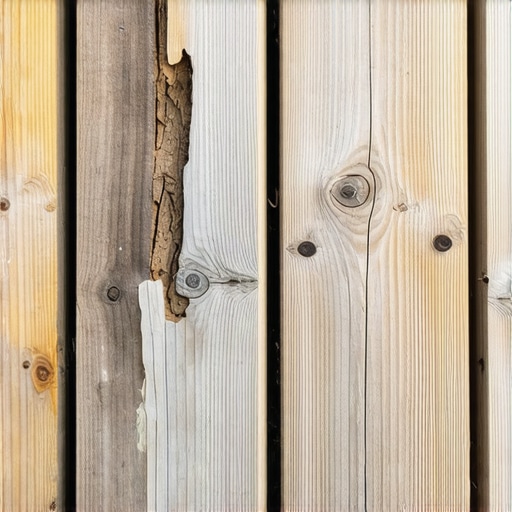
I vividly remember the moment I stepped onto my brand-new deck and heard that unsettling creak underfoot. Cracks raced through the wood, and I realized, too late, that my pride and joy was already suffering from hidden rot beneath the surface. That lightbulb moment hit hard—why was the structure I invested in starting to decay so quickly? It turns out, many deck owners face the same perplexing problem: rotting joists lurking beneath seemingly solid boards.
How Do Rotting Joists Sabotage Your Outdoor Haven?
Rotting joists are more than just an eyesore; they threaten the safety and longevity of your entire deck. As the wooden supports weaken, they compromise stability, increasing the risk of collapse or costly repairs. The sneaky culprit? Moisture seeping into unprotected wood, especially when drainage isn’t optimal or protective measures are overlooked. Early on, flawed design choices or neglecting proper ventilation can turn your beautiful deck into a liability.
Did I mention early mistakes I made? I once used untreated lumber for the entire frame, thinking it would withstand the elements. Big mistake. That oversight made my deck an easy target for moisture and rot. Trust me—learning from my slip-ups can save you time, money, and stress.
Will Better Materials and Design Stop the Rot?
Here’s the deal: Choosing the right materials and understanding common pitfalls is crucial. Composite decking is gaining popularity, not just for its low-maintenance appeal but also because it’s resistant to rot and insects. In fact, according to the latest trends in outdoor living, innovative composite options are setting new standards for durability in 2025. But even with the best materials, proper installation and maintenance are essential.
Are you wondering whether investing in premium materials is worth it? Or maybe you’re skeptical about whether design tweaks can really make a difference? You’re not alone. I’ve seen many underestimate these factors, only to face costly repairs later on. Yet, with some simple adjustments—like improved drainage, proper flashing, and choosing the right fasteners—you can extend the life of your deck significantly.
So, how do you identify if your joists are headed toward rot? And what practical steps can you take to prevent it? Let’s dive into the solutions that turned my deck around and can do the same for yours. If this sounds familiar, don’t worry. You’re about to discover actionable strategies to protect your outdoor retreat for years to come. Keep reading, and let’s get your deck sturdier than ever.
Select Durable, Rot-Resistant Materials
Start by choosing high-quality composite decking options like those featured in 2025 trends. Opt for capped polymer boards with mineral cores, as they resist moisture better than traditional wood. When building your frame, avoid pressure-treated lumber for joists, and instead, select rot-resistant species or composite supports to extend your deck’s lifespan and reduce maintenance efforts.
Prioritize Proper Frame Design and Ventilation
Think of your deck as a boat in a storm—proper design prevents water accumulation. Use a double-layered ledger flashing system combined with vented joist ends to allow moisture escape. Elevate the ledger slightly to enable airflow behind it, reducing trapped humidity. Incorporate space between the joists and the framing to promote air circulation, much like a well-ventilated attic prevents mold buildup. This simple yet critical step was my game-changer; after installing ventilation gaps, I noticed a significant reduction in wood rot signs.
Implement Effective Drainage Solutions
Install gutters and downspouts that direct water away from the deck structure. Use a slight slope on the deck surface—about 1/8 inch per foot—to encourage runoff. For areas with heavy rainfall, consider a deck with an underdeck drainage system that creates a dry space underneath, which I added last season, turning my soggy storage area into an outdoor lounge.
Invest in Quality Fasteners and Protective Accessories
Choose corrosion-resistant fasteners like stainless steel or polymer-coated screws to prevent rusting, which can compromise joist stability. When fastening, avoid over-tightening, which can create stress points and cracks. Use flashing tape around ledger boards and stairs to prevent water ingress. I learned this during my first build mishap—sealing the connections saved me from costly repairs later.
Schedule Regular Maintenance and Inspection
Set a seasonal reminder to examine the joists, fasteners, and protective coatings. Look for signs of moisture intrusion, mold, or softening wood. Clean your deck with a gentle hose and brush, prioritizing areas near downspouts and plant debris. If I catch early rot symptoms—like discoloration or sponginess—I replace affected sections immediately, much like treating a wound before infection takes hold.
Consult Professionals for Complex Elements
For stairs and structural joints, teaming up with an expert can make a significant difference. Skilled builders ensure proper load distribution and adherence to safety codes, which I found invaluable when remodeling my deck stairs. Review design tips to understand best practices and avoid common pitfalls.
 Many homeowners and even budding deck builders fall prey to common misconceptions about outdoor construction, particularly when it comes to composite decking, stairs, and overall design. While surface-level choices like material selection are often emphasized, the real pitfalls lie in overlooking nuanced details that can make or break a deck’s longevity and safety. Let’s explore some advanced insights and myths that might be sabotaging your outdoor projects.
Are Low Prices Always a Red Flag? The Real Cost of Cutting Corners
It’s a widespread belief that opting for the cheapest materials or labor guarantees savings, but in reality, this often leads to costly mistakes down the line. For instance, choosing budget fasteners can cause corrosion and structural failures within a few years. Similarly, cheap composite boards might fade or crack prematurely, negating any initial savings. Investing in quality, like the premium options highlighted in 2025 composite trends, ensures durability and peace of mind. Beware of contractors offering unrealistically low quotes—they may compromise on important aspects like flashing or ventilation, which are crucial for rot prevention.
Why Most People Use Wrong Fasteners, and How It Hurts the Deck
Fastener choice often slips under the radar but plays a pivotal role in deck longevity. Many assume that standard nails or coated screws suffice; however, using non-corrosion-resistant fasteners, especially in salt-spray environments, can lead to rusting, swelling, and even structural failure. Opting for stainless steel or polymer-coated fasteners—such as those recommended in why composite boards snap—can dramatically improve lifespan. Additionally, proper fastening techniques prevent issues like board cupping or squeaks, which are common complaints among deck owners.
Maximize Safety: Stairs That Don’t Slope or Sag Over Time
Building stairs might seem straightforward, but small miscalculations can lead to dangerous sags or uneven steps. A frequent oversight is neglecting the importance of the stringer attachment and rise/run calculations. Using single-stringer supports on wide stairs can cause flexing and trip hazards. The key is to ensure consistent riser heights and secure anchoring, which can be a challenge on uneven ground. For expert guidance, see designing safe stairs. Remember, well-constructed stairs not only increase safety but also contribute to a cohesive aesthetic.
Can Overdesigning Actually Hurt Your Deck?
Occasionally, homeowners aim to impress with elaborate features—multi-levels, intricate railings, or over-the-top lighting. While these elements can elevate outdoor spaces, overdoing them without proper planning can cause structural instability or excessive maintenance. For example, adding too many heavy adornments can strain the supports. Also, complex lighting systems or intricate railing attachments might seem attractive initially but can become maintenance nightmares if not expertly installed. Striking a balance between beauty and functionality is essential. If you’re considering advanced upgrades, review deck transformation tips to keep your project on track.
Let me know—have you ever fallen into this trap? Or do you have a tip to share? Drop your experience in the comments and let’s learn together to build safer, more durable outdoor living spaces.
Keep It Working: Tools I Recommend for Outdoor Living Projects
Maintaining a deck, especially one constructed with composite materials, requires precision and reliable equipment. Over the years, I’ve tested numerous tools to streamline my maintenance routine and ensure longevity. One of the most indispensable is a high-quality power washer with adjustable pressure settings. I prefer models like the Karcher K5, which allows me to effectively clean stubborn grime without damaging the surface. Pairing this with a soft-bristle brush attachment helps gently remove dirt from delicate composite boards, extending their appearance and durability.
For seasonal inspections, I rely on a digital moisture meter. Detecting hidden moisture lurking beneath the surface is crucial to prevent rot in joists or framing. I use the Protimeter MMS2, which provides instant readings and helps me identify areas that need attention before issues become visible. Regularly scanning my deck with this device has saved me from costly repairs and improved overall safety.
When tackling stairs or intricate joints, I turn to a cordless rotary tool like the Dremel 4000 with a variety of bits. This tool is perfect for precision cleaning, smoothing rough edges, or adjusting fittings without dismantling large sections. It’s especially handy when working in tight corners or detailed railings. Complementing this, a set of fine grade sandpaper helps maintain smooth surfaces, reducing splinters and improving aesthetics.
Does your maintenance routine utilize specialized equipment? If not, I recommend investing in a moisture meter and a versatile power washer. These tools have been game-changers for me, enabling proactive care and rapid response to issues. As composite decking continues to evolve, so does the need for advanced maintenance tools—anticipate more intelligent sensors and cleaning devices emerging in the near future, making upkeep even more straightforward.
How do I keep my deck in prime condition over time?
Consistent inspection and timely cleaning are essential. Using the right tools like a moisture meter can help you catch early signs of rot or mold, especially in hard-to-see areas. Regular power washing keeps surfaces free of debris and prevents mold buildup, as emphasized in the latest outdoor living trends. Pair these with proper protective coatings, and you’ll significantly extend your deck’s lifespan. I urge you to try matching your maintenance practices with the latest equipment—investing in quality tools now will pay dividends by reducing long-term repair costs and keeping your outdoor space beautiful and safe for years to come.
Seeing the Hidden Cracks Before They Widen Was Eye-Opening
One of the most profound lessons I learned in outdoor construction is that appearances can be deceiving. A deck might look pristine from above, but beneath, it could be rotting away silently. Regular inspections saved me from surprises, and I now understand that a proactive approach—using tools like a moisture meter—can prevent catastrophic failures. Trusting your intuition isn’t enough; data and diligent checks are essential to catch early signs of deterioration before they become costly repairs.
Why Relying on Cheap Materials Costs More in the Long Run
Early in my projects, I tried cutting costs by selecting budget-friendly materials. The initial savings were appealing, but the long-term expenses—rotted joists, warped planks, and frequent replacements—taught me a vital lesson: investing in quality composite decking and corrosion-resistant fasteners pays dividends over time. The latest trends in 2025 emphasize durability and low maintenance, reaffirming that smart material choices save both money and peace of mind. Choosing the right materials is a cornerstone of a deck that endures, and I encourage you to prioritize quality over price.
Building Stairs Without a Slip-Up: A Personal Transformation
Stairs seem simple, but my experience showed me the importance of precise calculations and sturdy support. I once built stairs that sagged after just a few seasons because I overlooked proper stringer attachment and riser consistency. Now, following best practices—such as proper rise and run measurements and secure anchoring—I create safe, stable stairs that become a seamless part of my outdoor oasis. For detailed guidance, I highly recommend reviewing design tips for safe stairs. The effort is well worth it for safety and aesthetics.
Overdesign Can Sabotage Your Outdoor Dream
In my enthusiasm, I once added elaborate multi-levels and ornate railings, thinking more was better. However, overcomplicating the design led to structural dilemmas and increased maintenance. The lesson? Striking a balance between beauty and functionality ensures your deck remains a practical retreat rather than a maintenance headache. Thoughtful planning—focusing on durable materials and simple, elegant features—has transformed my outdoor space into an inviting, lasting refuge. For inspiring ideas, explore deck and stair ideas suited for various budgets.