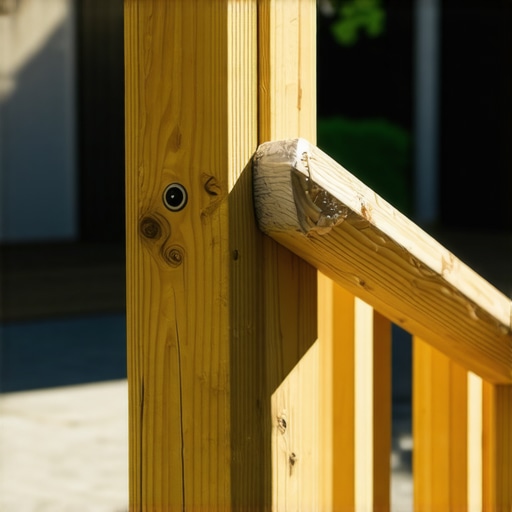
I remember the day I stepped onto my deck, confident it was a sturdy charmer built for outdoor gatherings. But as I reached for the railing for support, it wobbled like it was about to give way. That light, almost dismissible wobble turned into a nagging concern. It hit me—this wasn’t just a minor annoyance; it was a safety hazard in disguise. Over time, I realized many homeowners face the same unsettling problem: loose deck railings that threaten both safety and peace of mind.
Why Do Deck Railings Loosen Over Time?
See, decks are exposed to the elements—sun, rain, wind—and all these factors take a toll on the fasteners and structural components. Warping wood, corrosion of metal parts, and general wear-and-tear gradually loosen the connections that hold your railing tight. Early on, I made the mistake of ignoring minor wiggles, thinking they’d fix themselves; big mistake. Those small issues escalate fast, leading to potentially dangerous situations. The good news? With some know-how, you can tighten your railings and restore your deck’s safety and stability. Let’s explore how to do it right.
Is Reinforcing Your Railing Worth the Hassle?
I understand skepticism. Maybe you’re worried about making the problem worse or spending more than you bargained for. Trust me, I’ve been there. Early on, I believed a quick fix was enough, but I learned that proper tightening and maintenance give long-lasting results. For instance, choosing the right fasteners, like stainless steel screws instead of cheap nails, makes a difference. Preventing future issues is just as important as fixing present ones, and I’ll share some tips so you don’t fall into common pitfalls that even experienced DIYers sometimes do.
Assess the Damage and Gather Tools
Begin by inspecting your deck railing for loose or wobbly parts. Use a screwdriver, wrench, and hammer—similar to preparing a toolbox for a small repair job—so you have all necessary tools at hand. I once faced a wobbly railing on my own deck that was visibly wiggling. I started by checking the fasteners—some were corroded or loose—and collected the right tools to tighten or replace them.
Remove Old or Damaged Fasteners
Using a screwdriver or drill, carefully unscrew any loose or rusted fasteners. If some nails or screws refuse to budge, apply penetrating oil and let it sit for a few minutes. Remember, old fasteners can be like stubborn bolts—they need patience and sometimes a bit of persuasion. In my experience, forcing them without regard can strip the wood or damage the fastener, making future repairs harder.
Choose the Right Replacement Fasteners
Select corrosion-resistant screws, such as stainless steel or hot-dipped galvanized, to withstand outdoor exposure. Think of these as the armor for your deck—durable and designed for longevity. I learned this the hard way when cheap nails rusted within a year, causing the railing to loosen again. Using high-quality fasteners supports a long-term solution.
Secure the Railing Post to the Deck Frame
Align the post correctly, then screw in the new fasteners tightly. It’s vital to ensure each connection is snug—imagine tightening a bolt on a bicycle wheel; if it’s loose, the wheel wobbles. As I tightened my railing posts, I found that a torque wrench helped achieve consistent tightness, reducing the risk of future wiggles.
Pay Attention to Post Wrap and Shielding
Additionally, check for post sleeves or decorative caps that might hide fasteners. Sometimes, these can interfere with proper tightening. Removing them cautiously allows a better grip when securing the post, similar to peeling back layers to access screws in an electronic device.
Reinforce if Necessary
If wobbling persists or posts feel unstable, consider adding additional brackets or blocking between posts and the deck framing. Think of it like adding braces to a leaning ladder—extra support ensures stability. In one case, I installed metal L-brackets between the post and deck beam, turning a loose railing into a sturdy, safe structure.
Finish by Inspecting and Testing
Once secured, gently shake the railing to verify tightness. No wobble should remain—it’s like testing a door latch to ensure it closes properly. Regular checks are recommended, especially after severe weather. Remember, maintenance keeps your deck safe and inviting for years. If you’re planning a broader deck upgrade or redesign, exploring latest composite decking trends can enhance durability and appearance.
Many homeowners believe that composite decking is completely maintenance-free and impervious to issues common in traditional wood decks. However, in my experience, this is a misconception that can lead to costly mistakes. One widespread myth is that all composite boards are uniform and maintenance isn’t necessary beyond initial installation. In reality, choosing the right type—like mineral-core or capped composites—can significantly extend the lifespan and performance of your deck. Failing to understand these nuances often results in premature aging or discoloration, which could be avoided with expert guidance.
What Advanced Techniques Can Maximize Composite Deck Longevity and Safety?
Experts emphasize detailed installation practices, such as proper joist spacing and sequence of fastening, to prevent problems like sagging or warping. For example, tight fastening on composite boards might seem harmless but can cause the material to snap or split due to thermal expansion. A recent study highlighted that deck board tension varies with material composition, underscoring the importance of expert advice in deck construction. Incorporating strategic drainage and ventilation also plays a crucial role in preventing moisture buildup, which can lead to mold or mildew—even in low-maintenance composites. If you’re considering a renovation or new build, exploring latest trend insights can provide ideas for resilient and stylish outdoor living spaces.
Many assume that outdoor stairs are just functional, but in reality, they are critical safety features that demand precision, especially with modern design aesthetics in mind. Wobbly or steep stairs can quickly compromise your outdoor area’s usability. Common mistakes include misjudging the riser height or neglecting proper supporting structures. For advanced projects, integrating custom-designed stairs that match your deck’s style elevates both safety and visual appeal. Learn about how professional deck builders can transform your space into a seamless outdoor oasis.
In summary, understanding these nuanced details and avoiding prevalent traps ensures your outdoor living area is durable, safe, and visually stunning. Have you ever fallen into this trap? Let me know in the comments. Remember, investing in expert advice not only prevents costly mistakes but also unlocks the full potential of your outdoor space.Maintaining your composite decking and outdoor structures requires specialized tools and methodical practices to ensure long-term durability and safety. I personally rely on my battery-powered impact driver; its power and convenience allow me to tighten fasteners quickly without over-torquing or stripping screws, which is crucial when securing composite boards and railing components. For precise adjustments, I prefer using a digital torque wrench—it’s like having a measuring stick for tightness, helping me avoid the common mistake of over-tightening, which can cause composite expansion or board cracking. When it comes to cleaning and inspecting, I recommend a lightweight, high-pressure rinsing tool with adjustable settings. It’s gentle enough to remove debris without damaging sensitive surfaces, yet effective in clearing out dirt trapped between boards or beneath stairs. I also keep handy a small inspection mirror; it’s invaluable for checking hidden fastener areas or joints that are hard to see from standing height. For ongoing maintenance, I use a moisture meter to monitor wood framing—a tip I learned from experts at composite decking trends. This helps detect early signs of moisture intrusion or rot, guiding timely repairs before issues escalate. As these trends indicate, the future points toward smart monitoring systems integrated into deck structures, allowing real-time data collection and alerts. To stay ahead, consider installing moisture sensors or guided maintenance protocols based on usage patterns. I highly recommend trying a high-quality impact driver paired with a digital torque wrench during your next deck maintenance session—precision and safety are worth it. Regularly updating your toolkit and adopting these expert-recommended practices will help extend the life of your outdoor living spaces and prevent costly repairs down the line. Want to know more? Visit our contact page or explore our expert tips on transforming your outdoor space.
What I Wish I Knew Before Fixing My Deck
One of the most eye-opening lessons I learned was that a wobbly deck railing isn’t just an annoyance—it’s a ticking safety time bomb. If I had understood how quickly small issues escalate, I would have prioritized regular inspections from the start, saving myself time and stress in the long run. Recognizing the signs of deterioration early can prevent costly repairs and keep your outdoor space secure.
Tools and Resources That Make Deck Maintenance Easier
My secret weapon has been investing in a quality digital torque wrench; it ensures fasteners are tightened to the perfect specification, avoiding over-tightening that can crack composite boards. Additionally, I rely on a lightweight, adjustable-pressure rinsing tool for routine cleaning, which preserves the integrity of the surface. For expert guidance, I trust resources like latest composite decking trends and professional blogs that share real-world experiences and innovative techniques. These tools and insights have been invaluable in keeping my deck safe, durable, and beautiful.
Your Next Step in Creating an Outdoor Sanctuary
Building a stunning, long-lasting outdoor space isn’t just about following DIY guides—it’s about cultivating confidence and embracing continuous learning. Whether you’re reinforcing your deck’s stability or upgrading to low-maintenance composites, every small improvement contributes to a safer, more inviting environment. Remember, seeking expert advice and consistently maintaining your outdoor structures will pay dividends over the years. So go ahead—start that project with enthusiasm, and soon you’ll enjoy a space that truly feels like your personal retreat. Have you ever faced a surprising deck repair or upgrade? Share your experience below—I’d love to hear your story.